

AI SEO has two meanings: optimizing content to be cited in AI search answers, and using AI tools to do SEO work. Most 2026 usage refers to the first meaning.
What is AI SEO?
AI SEO is the practice of optimizing content so AI-powered search surfaces, such as Google AI Overviews, AI Mode, ChatGPT search and Perplexity, retrieve, cite and recommend it. The phrase has a second, older meaning: using AI tools to perform SEO tasks. In 2026, most marketers use “AI SEO” for the first meaning, often interchangeably with GEO or AEO.
The term is popular because it sounds familiar to SEO teams and buyers. It positions AI visibility as an extension of existing search work rather than a new discipline. That is broadly accurate, since retrieval-based AI answers depend on content that search engines can crawl and index.
How it works
Both meanings show up in job descriptions and tool categories, so it helps to separate them.
1. SEO for AI search (optimizing for AI).
- Make pages eligible: indexed, crawlable by search bots, and allowed to show snippets.
- Structure content in self-contained passages that answer one question each.
- Strengthen entity signals and third-party mentions.
- Track citations and mentions per engine rather than only rankings.
2. AI for SEO (optimizing with AI).
- Cluster keywords and map intent at scale.
- Draft briefs, outlines, meta descriptions and schema.
- Analyze logs, crawl data and Search Console exports.
- Generate first drafts that experts then edit and fact-check.
The two meet in practice: teams use AI tools to produce and audit the content they want AI engines to cite.
From SEO to AEO and GEO
| Area | Traditional SEO | AI SEO (for AI answers) |
|---|---|---|
| Target | Ten blue links | Generated answer with citations |
| Content unit | Page optimized for a keyword | Passage that answers a prompt |
| Success signal | Position, CTR | Citation, mention, sentiment |
What carries over: Google states that the same SEO best practices apply to AI Overviews and AI Mode, with no extra technical requirements. Helpful content, internal links, structured data that matches visible text and strong page experience all still count.
What changed: users ask longer, conversational questions; engines run several sub-queries per prompt; and many answers satisfy the user without a click. Rankings alone no longer show whether you are visible.
What to do about it
- Start from your rankings. Pages that already rank for a question are the most likely candidates to be cited for it. Improve those first.
- Rewrite openings. Lead each page and section with a direct answer, then supporting detail, tables and sources.
- Use AI tools with guardrails. Require a named expert reviewer, fact checks against product documentation and original insight on every AI-assisted page.
- Add AI metrics to reporting. Track the GA4 “AI Assistant” channel or referrer data, citation counts and share of voice next to organic traffic.
- Cover comparisons honestly. Buyer prompts are often “X vs Y” or “best X for Y.” Neutral, specific comparison pages tend to be useful sources.
Common mistakes
- Mass-producing AI pages. Google’s spam policies treat many pages made mainly to manipulate rankings as scaled content abuse, however they are produced.
- Optimizing for one engine. ChatGPT, Perplexity, Gemini and Google AI features use different indexes and retrieval methods.
- Ignoring the ambiguity. When hiring an “AI SEO” agency or tool, confirm which meaning they sell.
Related terms
- AI Optimization (AIO)
- Generative Engine Optimization (GEO)
- Answer Engine Optimization (AEO)
- AI-Generated Content
- AI Overviews
- Guide: GEO vs SEO
Sources
- AI features and your website, Google Search Central
- Google Search’s guidance about AI-generated content, Google Search Central Blog (Feb 2023)
- Spam policies for Google web search, Google Search Central
Frequently asked questions
Is AI SEO different from GEO?
When AI SEO means optimizing for AI answers, it is essentially the same practice as GEO or AEO, framed for people who come from an SEO background. The label signals continuity: crawlability, helpful content and authority still matter, with new emphasis on citations, passages and multi-engine tracking.
Will Google penalize AI-written SEO content?
Google says it rewards quality regardless of how content is produced and that using AI gives no special ranking gains. However, generating many pages mainly to manipulate rankings violates its scaled content abuse policy. AI-assisted content that is accurate, original and reviewed by experts is acceptable; mass-produced filler is a risk.
What skills does AI SEO require?
Classic technical and content SEO, plus an understanding of how retrieval-based AI systems pick sources, how to run and log prompt tests across engines, how to read AI referral data in analytics, and how to manage AI crawler access in robots.txt.
Guides that cover AI SEO
-
 Claude SEO
 Guide: How to Track, Measure & Improve Your Brand Visibility in Claude AI
Claude SEO guide: track, measure, and improve your brand visibility in Claude AI step by step, with concrete tactics for citations, prompts, and content.
-

The Future of Growth: AI-Powered Programmatic SEO with Real-Time Search Console Integration
Discover how AI + real-time search data automates content creation at scale. Generate quality leads faster with intelligent programmatic SEO systems.
-
2026 Programmatic SEO Playbook: AI, Real-Time Data, and Market Domination
Master 2025 programmatic SEO with AI-powered content, real-time data integration, and dynamic optimization. Includes implementation guide and competitive advantages.
-
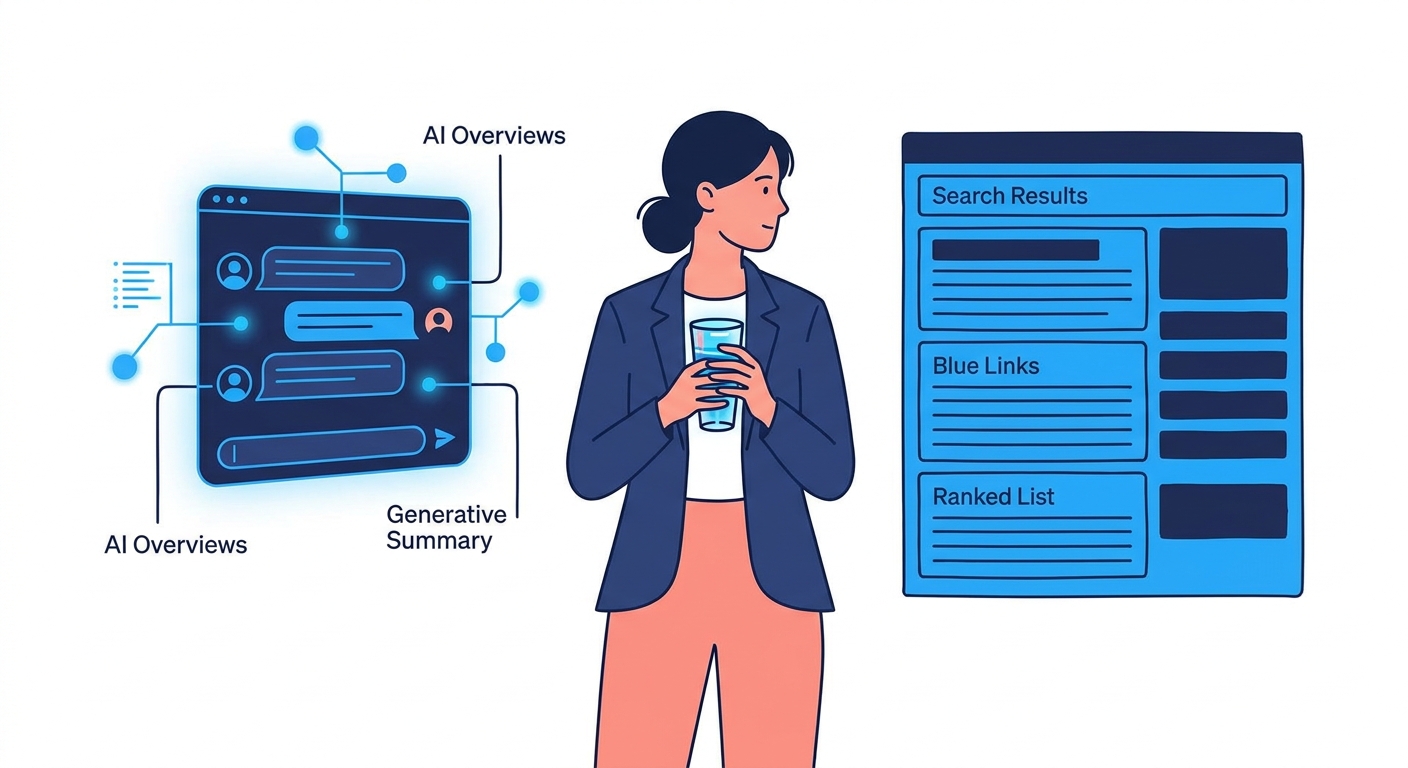
How to Track Your Brand Visibility in AI Overviews Versus Organic Search
How to Track Your Brand Visibility in AI Overviews Versus Organic Search







