How to Create Security Content That CISOs Actually Read (With Examples)


TL;DR
- This guide covers how to stop making boring security blogs and start winning over busy cisos with high-value technical insights. You'll learn how to optimize for new ai search engines using geo and aeo strategies so your brand shows up when security leaders ask chatgpt for advice. We include real-world examples and a growth hacking framework to scale your cybersecurity content without losing that human authority.
Why traditional seo is changing in 2025
Remember when you could just cram "best running shoes" into a footer fifty times and hit page one? Yeah, those days are long gone, and honestly, good riddance because search is actually getting—dare I say—human.
In 2025, seo isn't about matching strings of text anymore; it's about decoding why someone is typing in the first place. Google has gotten scary good at reading between the lines, moving away from simple word matching toward deep context.
- Intent is the new king: It's not just about what they type, but the "why" behind it. A 2024 study by Traffic Think Tank highlights that search engines now prioritize how well a page answers the user's specific purpose over mere keyword density.
- Contextual ai: Search algorithms now use advanced processing to understand synonyms and related concepts. If you're writing about "cloud infrastructure," the algorithm expects to see terms like "latency" or "provisioning" naturally integrated.
- Frustration signals: Modern api setups and real-time monitoring can even help you see where users bounce. If your content doesn't match their intent, they leave, and google notices that "pogo-sticking" (users clicking a result and immediately hitting the back button) immediately.
- Link Equity: It's also about how power moves through your site. Linking your pages together helps search engines understand which parts of your site are the most important.

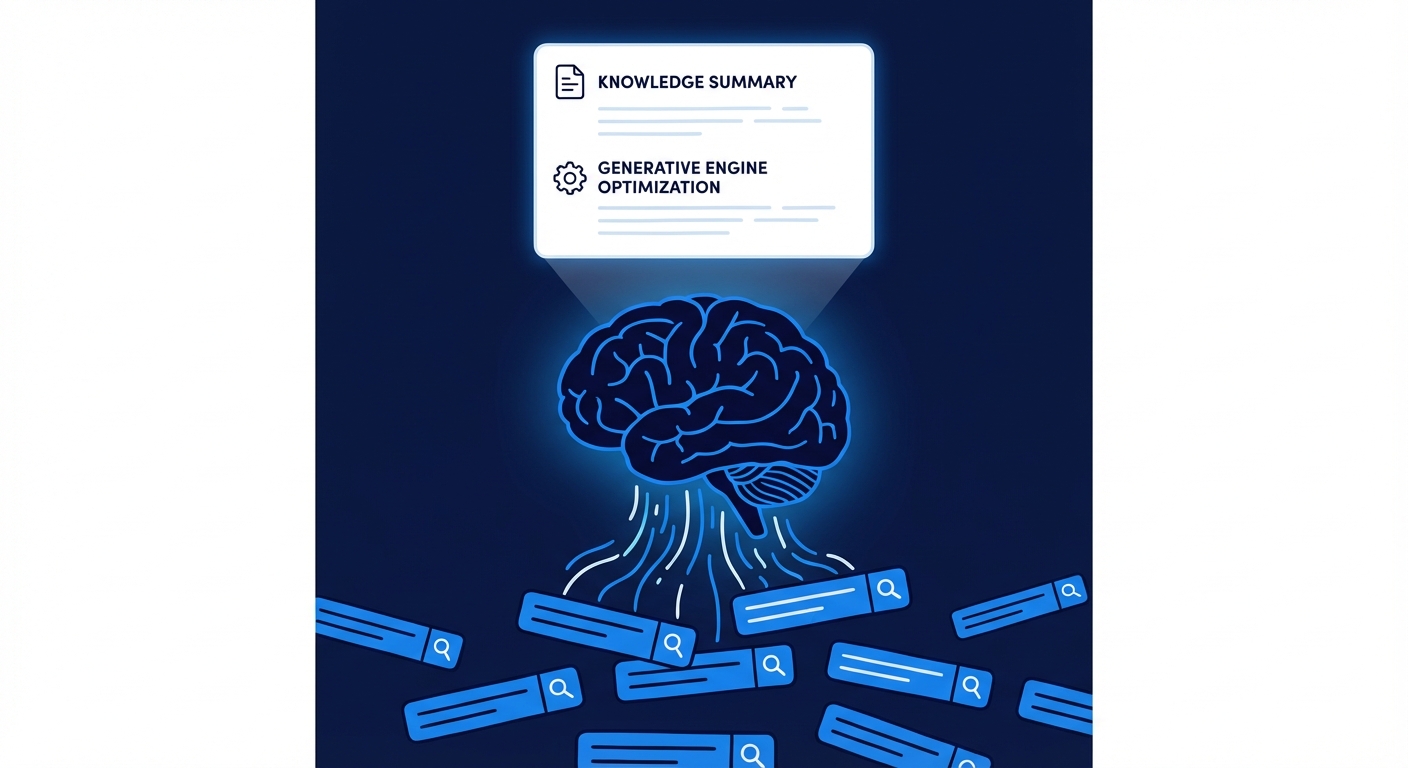
We're seeing a massive shift toward sge (search generative experience). Instead of clicking a link, users often get a summary right at the top. This means we have to optimize for "position zero" or risk becoming invisible.
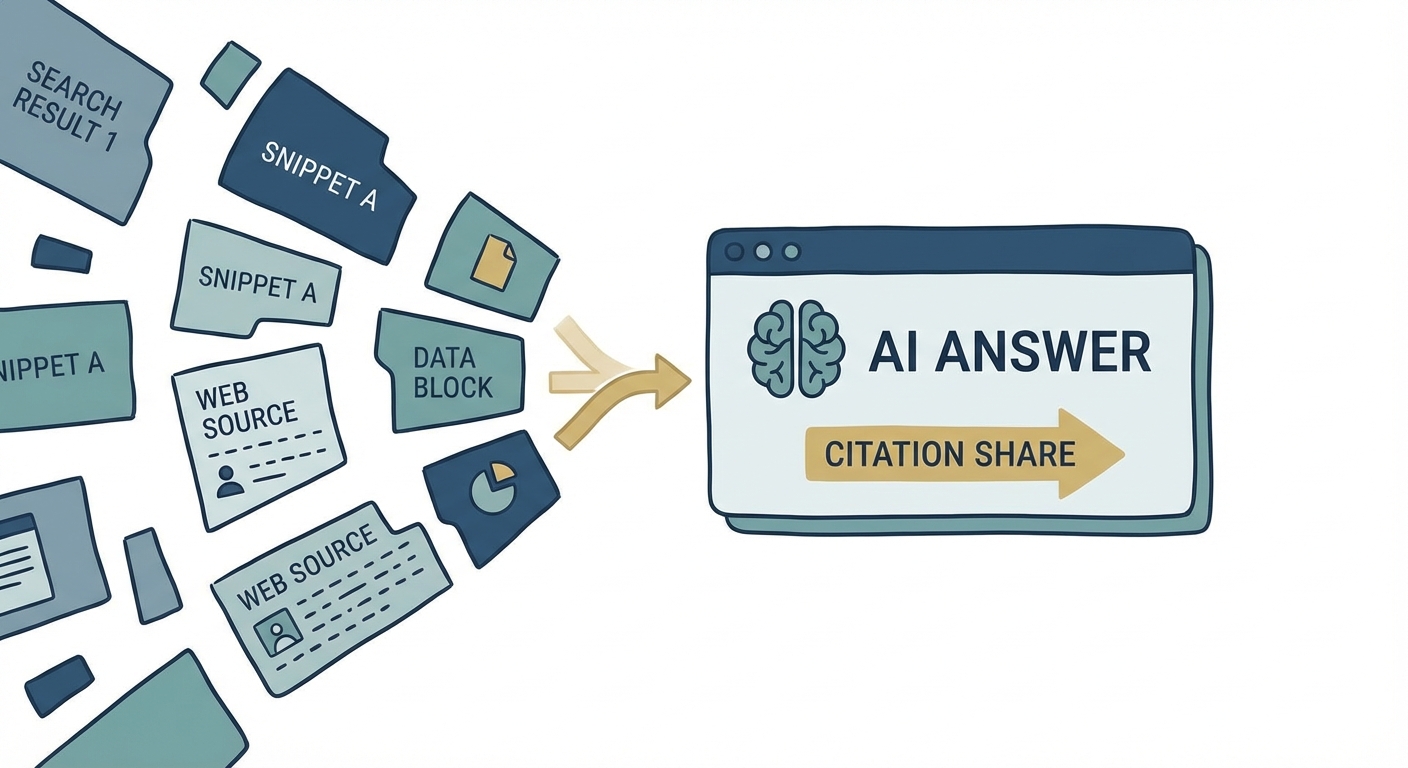
Take a look at companies like Salesforce; they’ve pivoted their entire blog strategy to focus on deep, authoritative content hubs rather than scattered posts. It's about being the definitive source that an ai wants to cite.
According to Softtrix, voice search, ai-driven personalization, and inclusive design are becoming the primary drivers of traffic in 2025, requiring a more conversational tone in our technical writing.
It's a bit of a wild west out there right now, but it's exciting if you like the technical side of things. Next, let's look at how the actual speed and build of your site creates a foundation for all this.
Technical performance as a marketing edge
Ever sat there staring at a loading spinner, feeling your soul slowly leave your body? Yeah, your users feel the same way, and google is basically rewarding you for not being that guy.
Technical performance isn't just a "dev thing" anymore—it's a massive marketing lever because a fast site builds trust before a user even reads your first headline.
You gotta care about core web vitals if you want to stay relevant in 2025. Specifically, LCP (Largest Contentful Paint) and CLS (Cumulative Layout Shift) are the big ones that keep people from bouncing.
- Speed equals money: If a page takes forever to load, people bail, and your conversion rate dies.
- Visual stability: Nothing makes a user close a tab faster than a button moving right as they try to click it (that's the CLS struggle).
- Free diagnostics: You don't need a massive budget; tools like Lighthouse or google's own pagespeed insights give you the raw data for free.

Honestly, if your site looks like hot garbage on a phone, you're basically invisible to half the internet. Most traffic is mobile now, so responsive design is pretty much the baseline for any decent seo strategy.
According to Aspire Internet Design, you should use the mobile-friendly test to see if your layout actually adjusts properly. It's not just about shrinking images; it's about making sure your api calls aren't choking a mobile processor.
A 2025 report by Park University notes that integrated marketing now requires absolute consistency across all digital touchpoints, starting with mobile performance.
Ethically, we gotta talk about data weight. Shoving 5MB images down a user's data plan—especially in regions with expensive bandwidth—is just bad practice. Use modern formats like WebP to keep things light.
I've seen startups double their leads just by cleaning up their javascript execution times. It’s not magic; it’s just making sure the tech doesn't get in the way of the message. Next, we'll dive into how to structure your content so it actually carries some weight with search engines.
Content strategies that build authority
Ever feel like your blog is just a bunch of random thoughts shouting into a void? Honestly, most content is just "noise" because it lacks a backbone—which is where topic clusters come in to save your sanity and your rankings.
Think of a topic cluster like a library. You have one big "pillar" book that covers everything (the pillar page) and then a bunch of specialized guides (supporting pages) that dive into the nitty-gritty details.
- Pillar pages are the anchors: These are long, meaty pieces of content that give a high-level overview. If you're in the finance world, your pillar might be "The Ultimate Guide to Enterprise Payroll."
- Supporting pages catch the long-tail: These are shorter posts focusing on specific questions, like "How to automate federal tax compliance."
- Internal linking is the glue: Linking these together helps search engines see you as the actual expert. It passes "link juice" from your big wins to your newer posts.

This structure isn't just for show. According to Surfer SEO, building these hubs helps you achieve "topical authority," which basically tells google you're the go-to source for that specific niche.
Look, we all know everyone is using chatgpt these days, but just hitting "copy-paste" is a recipe for disaster. Google is getting way better at spotting low-effort spam that doesn't actually help anyone.
- Use ai for the heavy lifting: Let the ai handle the outline or the initial research, then go in and add your own human touch. If you're a dev, add a real code snippet you actually used.
- Eeat is non-negotiable: You gotta show Experience, Expertise, Authoritativeness, and Trustworthiness. A 2025 report by Softtrix notes that as ai scales, real human experience becomes the only thing that sets you apart.
- Fact check everything: ai has a habit of "hallucinating" facts. If you're writing about healthcare or legal stuff (YMYL topics), one wrong stat can tank your credibility instantly.
Ethically, we have to be honest about using these tools. If an ai wrote 90% of your article without a human review, you're basically polluting the web. The best strategy is to use ai to speed up your workflow, not to replace your brain.
Practical examples? I've seen a retail startup use Notion templates as a lead magnet. They didn't just write about "organization"; they gave users a tool to actually organize, which built massive authority.
Next up, we’re going to look at how to keep your site safe and accessible for every single person who visits.
Security and accessibility best practices
Ever wonder why some sites feel like a fortress while others feel like they’re held together with duct tape? Honestly, if your site isn't secure or easy for everyone to use, you're basically leaving money on the table and annoying google at same time.
Security isn't just for the paranoid anymore—it's a literal marketing requirement. If you don't have an ssl certificate, chrome just slaps a "Not Secure" warning on your url, which is basically a death sentence for your conversion rate.
- Trust is everything: As noted earlier by other experts, search engines prioritize user safety. A broken certificate or an expired one kills trust instantly.
- Data integrity: Beyond just the "green padlock," https protects the data going between your server and the user. This is huge for healthcare or finance sites where privacy is non-negotiable.
- Performance boost: Most modern protocols like HTTP/2 actually require encryption to work properly, so secure sites often load faster too.

Accessibility (a11y) isn't just about being a good person; it's about making sure robots can actually read your site. If a screen reader can't make sense of your page, google's crawler probably struggles too.
- Alt text matters: Don't just leave image names as "IMG_001.jpg." Descriptive alt text helps visually impaired users and gives search engines context for your images.
- Heading hierarchy: Using H1, H2, and H3 tags in the right order makes your content scannable. It’s like a map for the ai to follow.
- Keyboard navigation: I've seen so many startup sites where you can't even "tab" through the menu. That's a huge red flag for usability.
Ethically, we gotta realize that excluding people with disabilities isn't just bad business—it’s just wrong. Plus, a 2025 report by Softtrix mentioned earlier hints that inclusive design is becoming a core part of how brands are judged.
According to Traffic Think Tank, keeping up with your indexing status and technical health—which includes security—is a "must-do" to ensure pages appear in search results faster.
I’ve seen a retail site fix their heading levels and alt tags and see a 15% jump in organic traffic within a month. It wasn't magic; they just made it easier for the bot to index them.
Next, we’re going to look at the free tools you can use to make sure all this stuff stays fixed.
Using free tools for continuous audit
So, you’ve built this great site, but how do you actually know if it's working or if google is just ignoring your hard work? Honestly, you don't need a massive enterprise budget to keep things running smooth—you just need a solid habit of checking the right free tools.
I tell everyone this: if you don't have a verified Google Search Console yet, stop what you’re doing and go fix that. It is literally the most reliable data you can get for organic search because it comes straight from the source.
- Track your wins: You can see exactly which queries are bringing people in and where you're just "almost" ranking.
- Find the ghosts: As mentioned earlier by other experts, you gotta monitor your indexing status to make sure your pages aren't stuck in the "Discovered – not indexed" Limbo.
- Fix 404s: If you have a bunch of broken links, google might crawl you less often, which eventually tanks your authority.

Sometimes we're too close to our own projects to see the obvious stuff, like a missing h1 tag or a massive image that's killing the api response time. Automated scans are great because they find the stuff humans miss when they're tired at 2 am.
- Regular audits: Don't just audit once a year; set a monthly reminder to run a crawl.
- Sitemap health: A 2025 study by Traffic Think Tank (as discussed earlier) suggests that keeping your xml sitemap updated is essential for helping bots find new pages fast.
- Mobile-first testing: Use the free tools mentioned previously to ensure your mobile layout isn't choking under heavy javascript.
Ethically, we gotta be careful with how we use these ai tools—don't just blindly follow every "optimization" suggestion if it makes the page feel robotic for real people.
I've seen a retail startup find 50 "orphan pages" just by looking at their sitemap report in gsc; they linked them up and saw traffic jump almost overnight. It’s not rocket science, it’s just staying on top of the data.
Anyway, now that we’ve got the technical health sorted, let’s talk about how to prepare for the future of search like voice and video.
Future proofing your seo strategy
So, you’ve got the basics down, but honestly? seo never stays still for more than a minute. If you aren't looking at what’s coming next—like how people actually talk to their devices—you’re basically building on quicksand.
People don't type "best hvac repair denver" when they're driving; they ask siri, "where is the closest repair shop open now?" As previously discussed by other experts, this shift toward natural language is huge.
- Question-based headers: Start using "How do I..." or "What is..." in your H3s. It mirrors how people actually talk to alexa.
- Long-tail is everything: Focus on those weird, specific phrases. They have lower volume but the intent is way higher.
- Local intent: Make sure your gbp (google business profile) is tight. Voice search loves pulling from local map data.

I've seen so many blogs that are just walls of text. Boring. Adding video doesn't just look cool; it keeps people on the page longer, which tells google your stuff is actually worth reading.
- Youtube integration: Since it's the second biggest search engine, embed your videos to double your visibility.
- Interactive bits: Quizzes or calculators (like a mortgage tool for finance sites) are great for engagement.
- Alt text for everything: Don't forget that bots can't "see" video yet, so your descriptions still need those keywords.
Ethically, we gotta be careful with ai-heavy video or deepfakes. Trust is hard to build and easy to break, so keep it real. Honestly, just staying curious and testing new tools is the only way to stay ahead in 2025. Good luck out there.