GEO vs SEO: What's The Difference And Why It Matters?

TL;DR
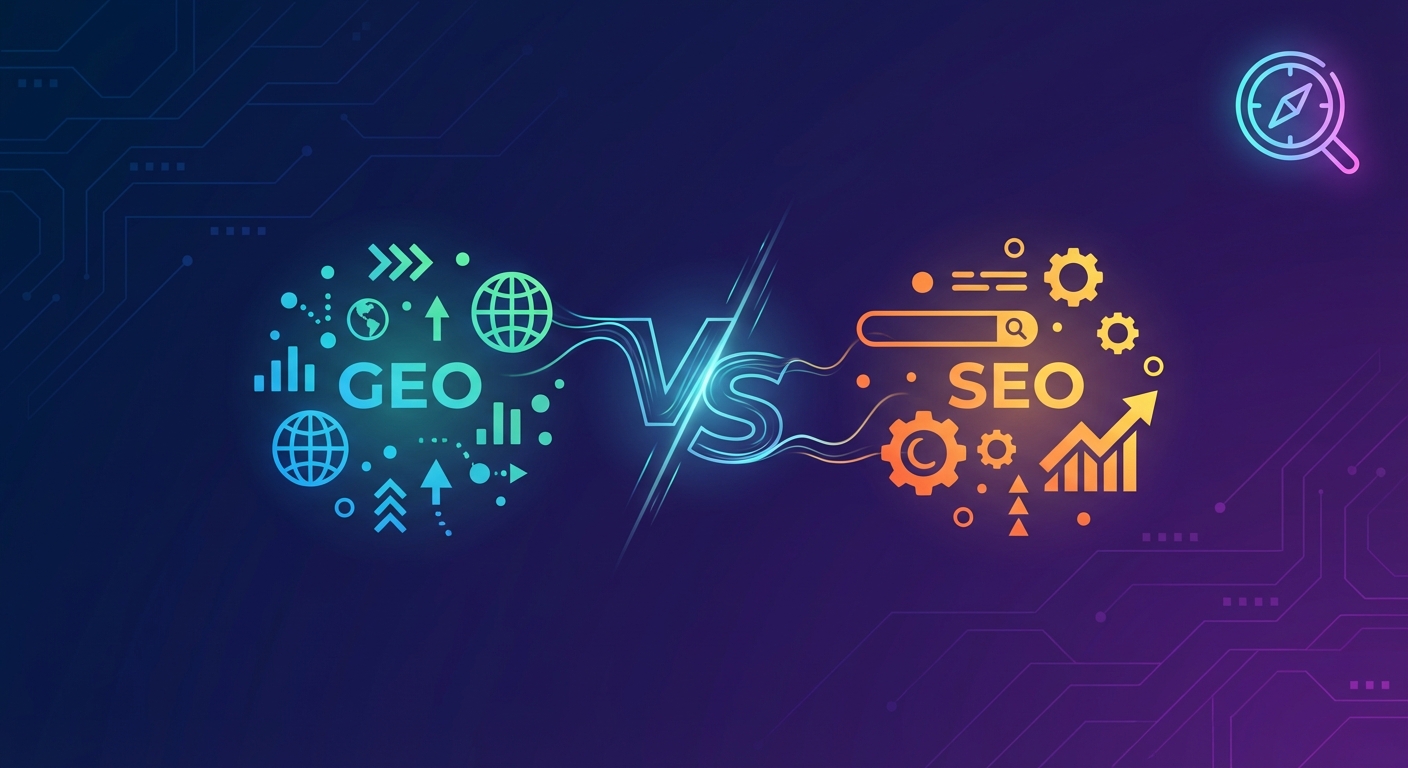
- This article covers the shift from traditional search engine optimization to generative engine optimization for b2b brands. You will learn why ranking on page one of Google isnt enough anymore when people ask ChatGPT for recommendations. We break down the technical differences and show you how to stay visible in ai-driven search results.
The Day US Mobile Fired Google Ads
Ever felt like you're just throwing money into a black hole called Google Ads? Ahmed Khattak, the ceo of US Mobile, actually did something about it when he turned off their entire spend at a $100M run rate.
Most people think you need paid search to survive but US Mobile proved them wrong in October 2024. They weren't some tiny startup; they were already hitting $100M ARR.
- The Big Switch: Khattak cut the api and dashboard access for google ads entirely.
- Traffic Reality: Everyone was terrified traffic would tank, but it didn't.
- Budget Win: They actually added 50k new users while spending only 50% of what they used to on total marketing.

According to data from Extole, their organic click-through rates nearly doubled. It turns out they were just "renting" an audience they already owned through brand bidding. This is called cannibalization—where you pay for a click from someone who was already going to click your free organic link anyway. By stopping the ads, they stopped stealing from themselves.
"Organic traffic and word-of-mouth replaced costly clicks, proving that investing in better products... is just as effective as 'renting your audience' from Google."
Next, let's look at why your brand might be stuck on a "Paid Ads Plateau" and how to break free.
Why Paid Search is Failing the Modern Marketer
Ever feel like your google ads dashboard is lying to you? It’s kind of like that one friend who takes credit for a party they didn't even plan. You’re seeing clicks and conversions, but look closer—you might just be paying for people who were coming to your site anyway.
Let's be real for a second. The "Big Tech Tax" is getting out of hand. Back in the day, a $20 lead felt expensive, but looking at future projections for 2025, we expect to see CPLs hit $100 or more on linkedin and google. It’s a bidding war where only the biggest budgets survive, leaving everyone else to fight over the scraps.
- Keyword Inflation: Bidding on high-intent terms has become a race to the bottom for your margins.
- Platform Greed: Ad networks are squeezing more ads into smaller spaces, making your organic reach tank on purpose.
- Diminishing Returns: You spend more every month but the needle barely moves—that's the "Paid Ads Plateau" in action.

The biggest joke in digital marketing is "Brand Bidding." Why are you paying $5 a click for your own name? If someone types your brand into search, they want you. As we saw with US Mobile, when you stop "renting" your audience, you realize how much of it you already owned. Paid traffic often brings in "transactional" users—people looking for a one-time discount who have zero loyalty. They leave as fast as they came.
"Industry forecasts suggest that referred customers are actually 15% more profitable than those coming from paid ads in the upcoming year."
Honestly, it’s time to stop feeding the machine and start looking at how your actual customers can grow the brand for you. Next, we're diving into how to build a referral engine that actually sticks.
The Mechanics of Referral Marketing and Customer-Led Growth
So, if you stop paying google for every single lead, where do the customers actually come from? It sounds scary, like jumping out of a plane and hoping your backpack is actually a parachute. But for US Mobile, that parachute was their own user base.
Referral marketing isn't just a "nice to have" button in your footer; it’s about moving your budget from big tech pockets back to your customers. When you reward a user for bringing in a friend, that money stays in your ecosystem.
- Profitability Spike: Referred folks are 15% more profitable. They stick around because they already have a "friend" using the service.
- Lower CAC: Instead of a $100 CPL on linkedin, you might pay a $20 or $50 referral credit. It’s a fixed cost you only pay when you actually get a new user.
- Programmatic landing pages (pSEO): This is "Programmatic SEO" for the nerds. You use code to build thousands of "invite" pages or niche landing pages for different referral segments (e.g., "Refer a fellow gamer" vs "Refer a small business owner").

Brands like US Mobile show that when you invest in the product, word-of-mouth doubles. Honestly, if your product is good, people want to talk about it—they just need a little nudge.
Every brand should aim for at least 10% of their new users to come from referrals. If you're below that, you're basically leaving money on the table and letting your customer-led growth engine gather dust. Tracking this shouldn't be a manual nightmare for your dev team. Modern apis and dashboards let you automate the whole thing—from detecting a successful sign-up to dropping a credit into a user's account.
GrackerAI automates your cybersecurity marketing: daily news, SEO-optimized blogs, ai copilot, newsletters & more. Start your FREE trial today!
If you can hit that 10% mark, you start to see the "flywheel" effect where growth happens even when you're sleeping. Now, let's look at how to build a content moat so you don't have to buy those clicks back.
Programmable SEO as a Moat Against Paid Spend
Ever wonder why you're still paying $10 each time someone clicks a link for your own brand? It's honestly kind of a scam. US Mobile realized this and started using product-led content to build a "moat" that google can't just tax every month.
When you use pSEO, you’re basically turning your database into thousands of high-intent landing pages. Instead of one "buy now" page, you have 5,000 pages that answer specific questions.
- Data-Driven reach: In healthcare, this might be 1,000 pages for every specific symptom-medication combo. In retail, it’s "product A vs product B" for every brand you carry.
- API-First Marketing: Use an api to pull real-time data into these pages so they stay fresh without a human editor touching them.
- Moat Building: Once these rank, they stay there. Unlike ads, you don't lose the traffic the second you stop paying.
As we mentioned with the cannibalization issue, US Mobile saw their organic click-through rates skyrocket because they stopped competing with their own ads. They used their own product data to create pages that people actually wanted to read.
Here is a quick look at how a marketing team might automate page metadata to keep things relevant using a simple script:
def generate_seo_title(competitor_name, user_benefit):
    return f"Switching from {competitor_name} to US Mobile: Save {user_benefit} Monthly"

competitors = ["Verizon", "AT&T", "T-Mobile"]
for brand in competitors:
    print(generate_seo_title(brand, "$40"))
By building these assets, you're not just getting "free" traffic; you're building an ecosystem. If a fintech company builds 500 calculators for different loan types, they own those keywords forever. It’s a way to fire your ad agency and actually own your growth.
Now that we've seen the strategy, let's talk about how you can actually start the transition without breaking your bank.
How to Transition Away from Paid Media Dependency
Transitioning away from the "big tech tax" feels like quitting a bad habit—it's hard but worth it. You gotta stop renting clicks and start owning your growth. It doesn't happen overnight, but you can start small.
Step 1: The Audit Don't just look at the dashboard; look at the people. Identify the 20% of users who actually love you. Check if they’re already posting about you on social or reddit. These are your future advocates.
Step 2: The Pilot Program Launch a pilot referral program. Instead of giving google $100 for a "maybe" lead, give that $100 (or $50) to a loyal customer for a "guaranteed" one.
- Use a simple api to track invites.
- Offer rewards that actually matter to your niche.
- Test different incentives to see what makes people share.
Step 3: Build the Moat Start your pSEO journey by identifying "comparison" keywords. If you're in cybersecurity, build pages for "Your Brand vs Competitor." Use your own data to show why you're better. This creates a permanent asset that doesn't disappear when the ad budget runs out.

The goal is to hit that sustainable 10% referral rate. Honestly, customer-led growth is the only way to survive the rising cpcs we're expecting in 2025. US Mobile proved that a $100M company can thrive without the google teat. You can too.
Stop renting. Start building.