Beyond SEO: How AI-Driven Procurement is Reshaping SaaS Sales Cycles

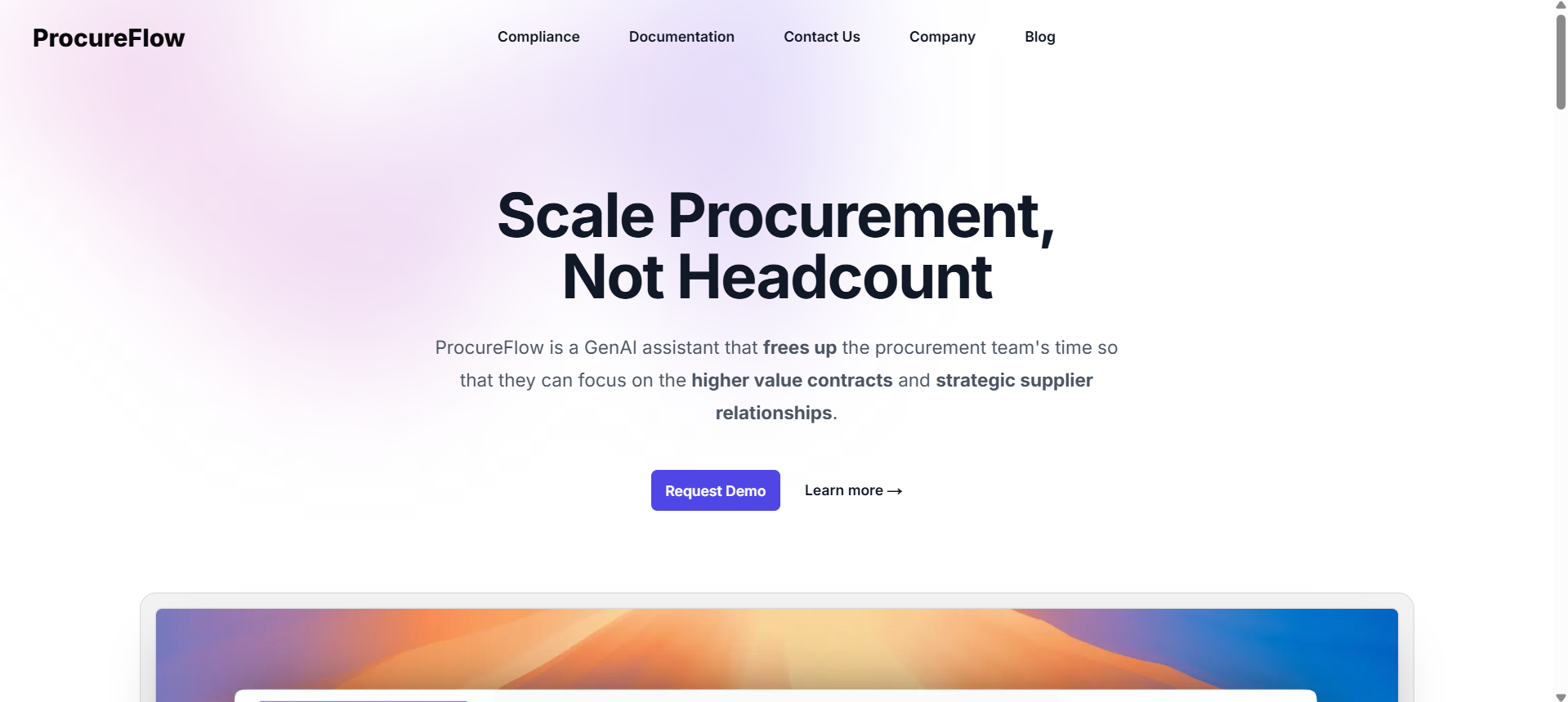
Modern procurement teams are changing the tech buying story for SaaS sales teams by using AI and data-driven discovery instead of search engine optimization․
This fast-tracks vendor selection and improves buying decisions․
SaaS startups must adapt to procurement teams' data-led approach to their go-to-market strategy and ensure sustainable success․
Tools Used by Procurement Teams
Procurement teams today rely on sophisticated platforms to dissect spending patterns, pinpoint inefficiencies, and pinpoint the best SaaS solutions.
This toolset accelerates decision-making, often compressing multi-month sales processes into weeks.
AI-powered procurement intelligence: Modern procurement teams are increasingly relying on AI-powered procurement intelligence platforms to analyze spend data, identify cost-saving opportunities, and evaluate potential SaaS vendors more efficiently.
Spend analytics tools complement this by revealing hidden purchasing trends across departments.
Vendor management systems then rank suppliers based on compliance, ROI potential, and integration ease.
Together, these reduce manual evaluations by up to 50%, allowing teams to focus on strategic negotiations rather than paperwork.
Turning Procurement Data into Real Insights
Procure analytics, the heart of Procure, aggregates and visualizes disparate buying data to drive optimization and savings․
Driving insights and predictive analytics through automation, we accelerate the SaaS sales cycle exponentially more than through manual processes․
High-performing teams focus on actionable strategies and relevant metrics that deliver concrete procurement results for the business․
What is Procure Analytics?
Procure analytics leverages purchase orders, contracts, supplier invoices, and other enterprise resource planning (ERP) data to deliver information on categories, supplier performance, and process delays․
This opens the way for procurement groups to avoid making decisions only during times of crisis, become proactive in processing and cost issues, negotiate new agreements, and prioritize their work by analyzing large data sets․
For SaaS vendors, this translates to their products being included in these analytics-driven comparisons rather than relying on SEO silos․ That shift toward AI- and data-driven discovery isn't limited to procurement dashboards — individual buyers researching software are going through the same change; see how AI search is changing the way people choose software tools.
Key Components
Core features include spend categorization, in which purchases are segmented by category, department, and vendor to identify redundancies early, and supplier scoring, a grade or ranking attributed to suppliers based on delivery, price, and service․
Additional layers are forecasting (to predict future spend based on historical and external market data inputs) and risk modeling (to identify external risks to procurement, such as supplier bankruptcy or pricing fluctuations), giving procurement teams a complete view that can change SaaS buying cycles․
Why Procure Analytics Matters
Procure analytics is used to address maverick spending (non-compliant and uncontrolled spending weakening an organization's budget), contract leakage (non-enforced contract terms), and missed opportunities for further savings (e․g․ supplier consolidation where there are multiple suppliers for a commodity, reviewing a software license portfolio, and renegotiating under-used licenses)․
Supplier performance tracking can ensure reliability, quality, and innovation․
Better visibility within the enterprise enables early detection of supply chain vulnerabilities or compliance gaps, which positions procurement as a source of value generation rather than simply a cost center․
For purveyors of SaaS products/services, this means that salespeople should aim their pitches to these analytics outputs․
Essential Metrics to Monitor
A robust metrics dashboard is indispensable for procurement success.
Below is a breakdown of core indicators:
Metric | Description | Typical Target |
Cost Avoidance | Proactive savings from negotiated deals or alternatives | 10-15% of spend |
Spend Under Management | Percentage of total spend under controlled procurement processes | Over 85% |
Supplier On-Time Delivery | Rate of shipments arriving as promised | 95% or higher |
Contract Compliance | Adherence to agreed pricing, volumes, and terms | Above 90% |
Cycle Time | End-to-end duration from requisition to receipt | Under 30 days |
Maverick Spend | Ratio of off-contract or unauthorized purchases | Below 5% |
These benchmarks form the backbone of performance oversight, with regular reviews driving iterative improvements and directly influencing SaaS vendor selection criteria.
Strategy 1: Build a Robust Data Pipeline
The first step involves centralizing data from invoices, ERPs, or contract repositories․
Here, AI excels at cleaning and normalizing information, correcting errors, standardizing formats, and eliminating duplicates․
This architecture scales with data size and achieves a true single source of truth for analytics without compromise, as opposed to over-investing in SaaS-specific capabilities that require accurate data input․
Strategy 2: Achieve Full Spend Visibility
For example, spend from that supplier can be categorized by commodity, user department, and geography to identify inflation or outlier trends (e․g․, software licenses increasing 20% across teams may suggest consolidation is possible)․
This increased visibility moves from transactional, decentralized purchasing to a gatekeeper role for bulk-negotiators and compliant SaaS vendors․
Strategy 3: Track Supplier Performance Rigorously
Create a scorecard for effectiveness metrics like timeliness, quality, issue resolution, and innovation metrics like new features․
Rank the vendors periodically to recognize leaders, expose underperformers, initiate remediation, or vendor replacement․
Future-focused innovation metrics ensure suppliers are evolving with the needs of the market and SaaS options․
Strategy 4: Enforce Contract Utilization
Contract pricing, quantities, and renewal dates are audited regularly․
Dashboards flag expiring contracts or under-utilized assets automatically, and alerts are issued when the compliance percentage drops below thresholds․
By doing this, value leakage is plugged, and every SaaS subscription realizes its full promised ROI․
Strategy 5: Forecast Demand Accurately
Account for past purchases, seasonality, market conditions, lead times, and weather impacts on logistics and supply chains to prevent overbuying and stock shortages․
It smoothens supply chains and stabilizes SaaS renewal cycles․
Strategy 6: Leverage Visual Dashboards
Provide KPIs and real-time visibility, alerts on anomalies, and interactive views such as heat maps to ease rapid identification of trends․
Create shared, self-service portals in finance and operations to minimize IT workloads․
These tools democratize insights, expediting SaaS evaluations for stakeholders․
Strategy 7: Mitigate Supply Risks Proactively
Track internal statistics as well as market price movements․
Set thresholds to trigger alert signals․
Anticipate geopolitical impacts and vendor bankruptcies․
Have plans in place․
This forward vigilance minimizes downtime and maintains procurement momentum․
Strategy 8: Align with Enterprise Objectives
Link map outputs to wider goals such as sustainability, diversity, or revenue growth․
You can capture environmental, social, and governance (ESG) metrics, such as carbon footprint and ethical sourcing in supplier data, to meet regulatory requirements․
This makes sure that the purchase aligns with existing corporate policy on SaaS applications․
Strategy 9: Automate Repetitive Tasks
Integrations with ERPs and AI bots can help to streamline data cleaning, generate and approve reports, and synchronize live data from multiple sources to allow teams to scale without increasing headcount or errors, leaving more time for high-value SaaS strategy․
Strategy 10: Cultivate a Data-Driven Culture
Train staff in analytics tools, regularly publish insights bulletins, and communicate early wins․
Keep skills up to date as new areas of interest arise, such as machine learning models․
Over time, this embeds analytics within the daily rhythm of the organization and shifts mindsets․
Strategy 11: Strengthen Negotiations with Data
Negotiate contracts with category benchmarks, historical spend, Total Cost of Ownership (TCO) analysis, and bullet-proof quantification for savings and risk mitigation․
Post-negotiation review captures lessons learned for future SaaS deal negotiations․
Strategy 12: Drive Continuous Improvement
Meet monthly to discuss lessons learned among metrics, including challenging benchmarks․
Adjust categories as needed, and conduct cross-functional workshops to achieve alignment․
By each cycle, we lock in excellence as a competitive advantage․
Building Your Implementation Plan
Iterate with pilots around high-value vendor spend (IT) cases where visibility of ROI is possible after a few quarters․
Identify KPIs early on and scale with modular cloud-based applications across the business․
Implement governance frameworks for data security and ethical AI use to maintain trust and compliance․
Common Challenges and Fixes
For data silos that will not be eliminated, federated access models keep departments' autonomy, but provide a global view․
When ROI is questioned, stories of savings are placed on an organization-wide executive dashboard․
Skill gaps are closed through online self-paced modules and ad hoc workshops, as capabilities mature․
Long-Term Success Factors
Commit to rebasing your models with quarterly refreshes of new data to accommodate changes in the market․
Look for next-generation AI tools that enable natural language querying of your spend data․
Mastery defines procurement as a profit center, delivering category-specific benefits that supercharge SaaS sales efficiency and vendor partnerships․

![10 Best Local Rank Tracker Tools: In-Depth Comparison Guide [2025]](https://cdn.pseo.one/6abcb68a626591c40e1c8aa6/687e1c1ef6fe799d288518df/68809c373eb8562bcf68975d/10-best-local-rank-tracker-tools-comparison-guide/feature-image.jpg)