Demand Generation vs. Lead Generation for Cybersecurity: What Actually Works

TL;DR
- This article covers the critical differences between building brand authority and capturing existing intent in the crowded cybersecurity market. You will learn how to balance trust-building content with high-conversion tactics while adapting to new AI-driven search behaviors. We explore why traditional lead gen is failing and how demand gen creates long-term growth for B2B tech brands.
The great divide in cybersecurity marketing
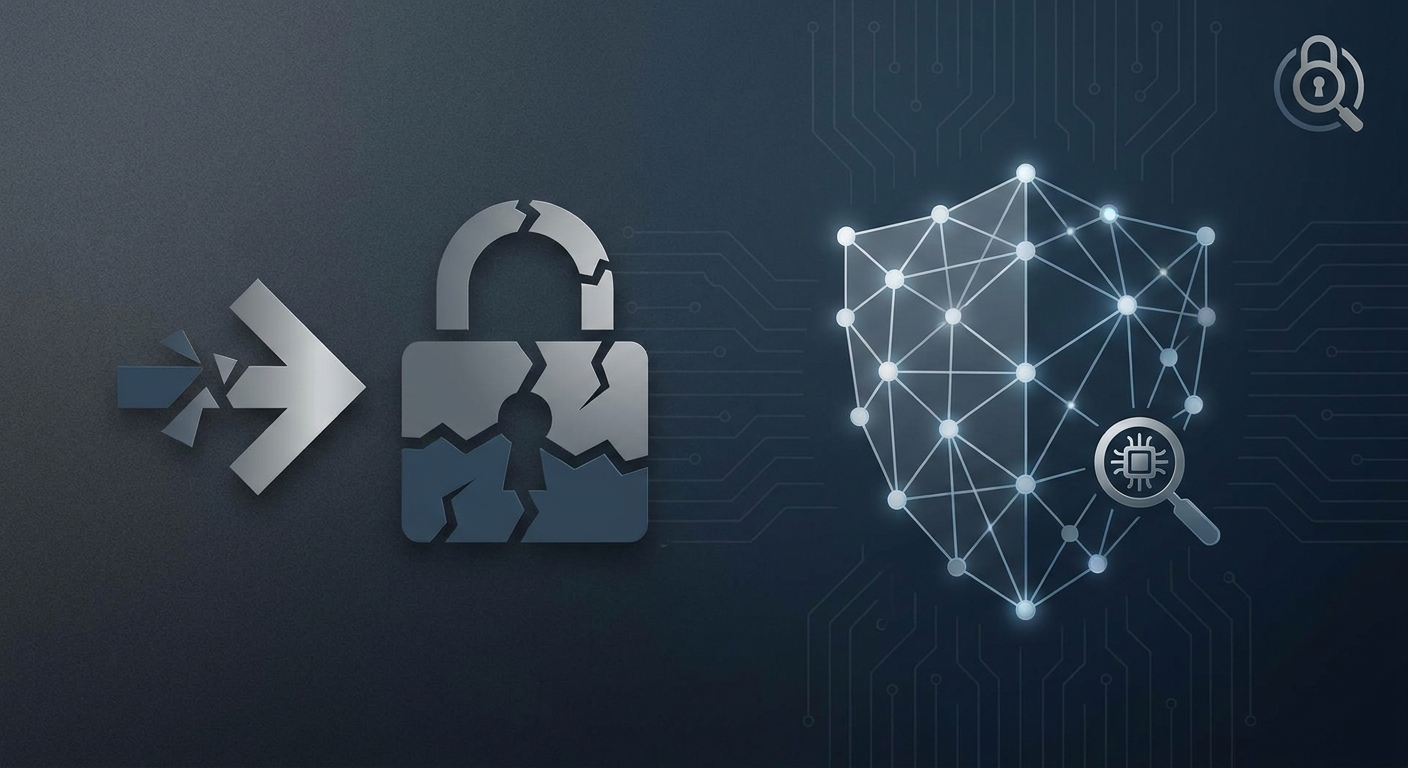
Ever wonder why your security whitepapers are mostly downloaded by students or bots instead of actual cisos? It's because the old "gate everything" lead gen model is basically broken for cybersecurity.
Security pros are naturally skeptical—it is literally their job. They don't want to trade their work email for a generic "Top 10 Threats" pdf just to get hounded by an sdr ten minutes later.
- Gated content fatigue: In healthcare or finance, where compliance is huge, experts want answers, not a sales pitch disguised as a guide.
- The rise of fake data: People use burner emails or "[email protected]" just to bypass your forms. You end up paying for a database full of junk.
- SDR frustration: Your sales team hates calling these "leads" because they aren't actually buyers—they're just researchers who wanted one specific chart.
According to a report by 6sense, B2B buyers are already 70% through their journey before they ever talk to a salesperson.
Demand gen isn't about collecting emails; it's about making sure when a retail giant gets hit by ransomware, they already know your name. It’s about being helpful in the "dark funnel." This is just a fancy way of saying the places where marketing software can't track you—like private Slack groups, Reddit, or word-of-mouth between engineers.

Instead of chasing signups, you're building authority. It’s a bit messy to measure at first, but the pipeline quality is night and day compared to cold leads.
Next, let's look at how the way people find information is changing.
The new frontier: AEO and GEO for cybersecurity
If you think ranking on page one of Google is still the ultimate goal, you're living in 2022. Nowadays, people are just asking chatgpt or Perplexity for software recommendations instead of clicking through ten blue links.
This shift is huge for cybersecurity because buyers are tired of digging through fluff. Answer Engine Optimization (aeo) and Generative Engine Optimization (geo) aren't just buzzwords. It's about how you structure your data so an llm actually picks you as the "source of truth."
- Semantic authority over keywords: It’s not about stuffing "ransomware protection" into a header anymore. You need to answer the "how" and "why" behind complex queries to get cited by ai.
- The citation game: When a ciso asks an ai assistant for the best edr for a healthcare network, you want your technical documentation to be the primary reference. That's not just a brand-awareness play — why brand mentions in ChatGPT and Perplexity matter for demand generation breaks down how a mention at that moment shapes the buyer's shortlist before they ever fill out a form.
- Brand sentiment matters: These models look at reviews and mentions across the web. If your reputation on Reddit or G2 is trash, the ai will tell the user exactly that.
A 2024 study by Gartner predicts that search engine volume will drop by 25% by 2026 as people move toward ai-driven answers.

Tools like GrackerAI help here by auditing your technical docs to see if they're actually "readable" for these models. It identifies content gaps based on what people are actually asking ai, so you can fill those holes before your competitor does.
Next, we'll see how to scale this content without losing the "expert" feel.
Programmatic SEO: Feeding the machines (and the humans)
Scaling content in the security world is a nightmare because everything is so niche. Programmatic SEO (pseo) lets you build hundreds of pages that actually matter.
Now, you might think: "Wait, didn't you say search volume is dropping?" Yes, but pseo isn't just for Google. It's about creating a massive library of "source of truth" data. When you have 500 pages on specific api integrations, you aren't just catching long-tail search traffic; you're giving ai models the exact data they need to cite you in a geo result.
- Niche compliance queries: Think about a healthcare provider needing "HIPAA compliant cloud storage for imaging."
- Integration-led growth: If your tool connects with 500 different apis, you need 500 pages. Someone searching for "how to secure Okta logs in Snowflake" is a way better lead than someone searching "what is cyber security."
- Threat-specific scaling: You can create dynamic pages for every new CVE (Common Vulnerabilities and Exposures) that hits the news.
A 2023 report by Intergrowth shows that 68% of online experiences begin with a search engine, but in B2B, those searches are getting more specific by the day.

It’s about being there with the right answer at the exact moment someone has a very specific, very annoying problem. Now, let's look at the technical "hacks" to get this in front of people.
Growth hacking with technical tools
Growth hacking in cybersecurity is really just about being less annoying than your competitors. Since we already know gating content is a disaster for trust, the "hack" is to provide value that a pdf never could.
The best way to get a ciso's attention is a tool that solves a problem in thirty seconds.
- Tools over PDFs: A "Check my domain" tool or a basic s3 bucket scanner is worth a thousand ebooks. It provides immediate value. You can ask for an email after they see the results, once you've actually proven you aren't full of it.
- The "Helpful" Ad: Run ads that link to a technical documentation page or a github repo. It sounds counterintuitive, but for a technical buyer, it’s a breath of fresh air.
- Intent data over stalking: If someone spent ten minutes on your "Ransomware Recovery" page, don't show them a general brand ad—show them a case study on how a hospital recovered in four hours.
I once saw a small security firm bypass the big players by just running ads on very specific error codes. When a dev searched for that error, their ad was the only thing that popped up with a fix. That’s how you win without a massive budget — for more tactics built specifically for teams without a legacy brand's budget or backlink profile, see the underdog's guide to security SEO. A breaking breach or a new CVE works the same way: real-time cybersecurity news, turned into fast content, captures buyers while intent is highest, no budget required.
Keeping the brand human in an AI world
Before we wrap up, we gotta talk about the elephant in the room. If machines are doing the talking (geo) and we're scaling with code (pseo), how do you not sound like a robot?
The "human touch" in 2024 is about Expert Authority. AI is great at summarizing, but it's terrible at having an opinion.
- Put your engineers front and center: People trust people, not logos. Let your researchers write the deep-dives.
- Strong opinions: Don't just say "X is a security risk." Say "We tested X and it's a dumpster fire, here's why."
- Community presence: Remember the dark funnel? You can't automate being helpful on a Slack channel. That's where the real brand building happens.
The verdict: Which one should you choose?
I usually tell people to aim for a 70/30 split. Spend 70% of your energy on demand generation—ungated docs, aeo, and building that "dark funnel" presence. The other 30% can be traditional lead gen for high-intent stuff.
- Demand Gen (The Long Game): This is where you use things like programmatic seo to answer niche questions. You aren't asking for an email; you're just being the smartest person in the room.
- Lead Gen (The Closer): Save your forms for things that actually have high value, like a 1-on-1 security architecture review — and if SEO is the channel filling that funnel, how to use SEO for cybersecurity lead generation covers the tactics for converting that traffic once it lands. Once that form is submitted, how fast you follow up decides whether it converts — speed-to-lead rules for inbound covers the response-time math and routing tactics, and AI marketing automation for cybersecurity lead gen covers the tooling for qualifying and routing those leads at scale. None of that works if the emails and follow-ups never reach an inbox in the first place - see why email deliverability is critical for cybersecurity outreach campaigns for the mechanics of keeping outbound sequences out of spam.

Don't let your ceo judge a demand gen campaign by "cost per lead." Instead, look at pipeline velocity—how fast deals move through the funnel—and self-reported attribution.
Ask your sales team to start asking, "How did you hear about us?" during discovery calls. You'll be surprised how many people say "I saw your github repo" or "I read your guide on reddit," things that your hubspot dashboard would never catch.
At the end of the day, cybersecurity is a "trust" business. If you act like a thirsty salesperson, you lose. If you act like a helpful engineer, you win. It's really that simple, even if the tech behind it—like grackerai or complex geo—feels a bit overwhelming at first. Just start by being useful.
For a case study in what the 70% side of that split looks like at scale, see our playbook on taking a security SaaS from zero to $10M ARR without a sales team. And if the goal is filling the calendar with qualified conversations rather than raw form fills, our security startup growth framework for generating 500 qualified demos a month breaks down the specific experiments that move that number.
![10 Best Local Rank Tracker Tools: In-Depth Comparison Guide [2025]](https://cdn.pseo.one/6abcb68a626591c40e1c8aa6/687e1c1ef6fe799d288518df/68809c373eb8562bcf68975d/10-best-local-rank-tracker-tools-comparison-guide/feature-image.jpg)