Leveraging Meme Marketing for Newsletter Growth

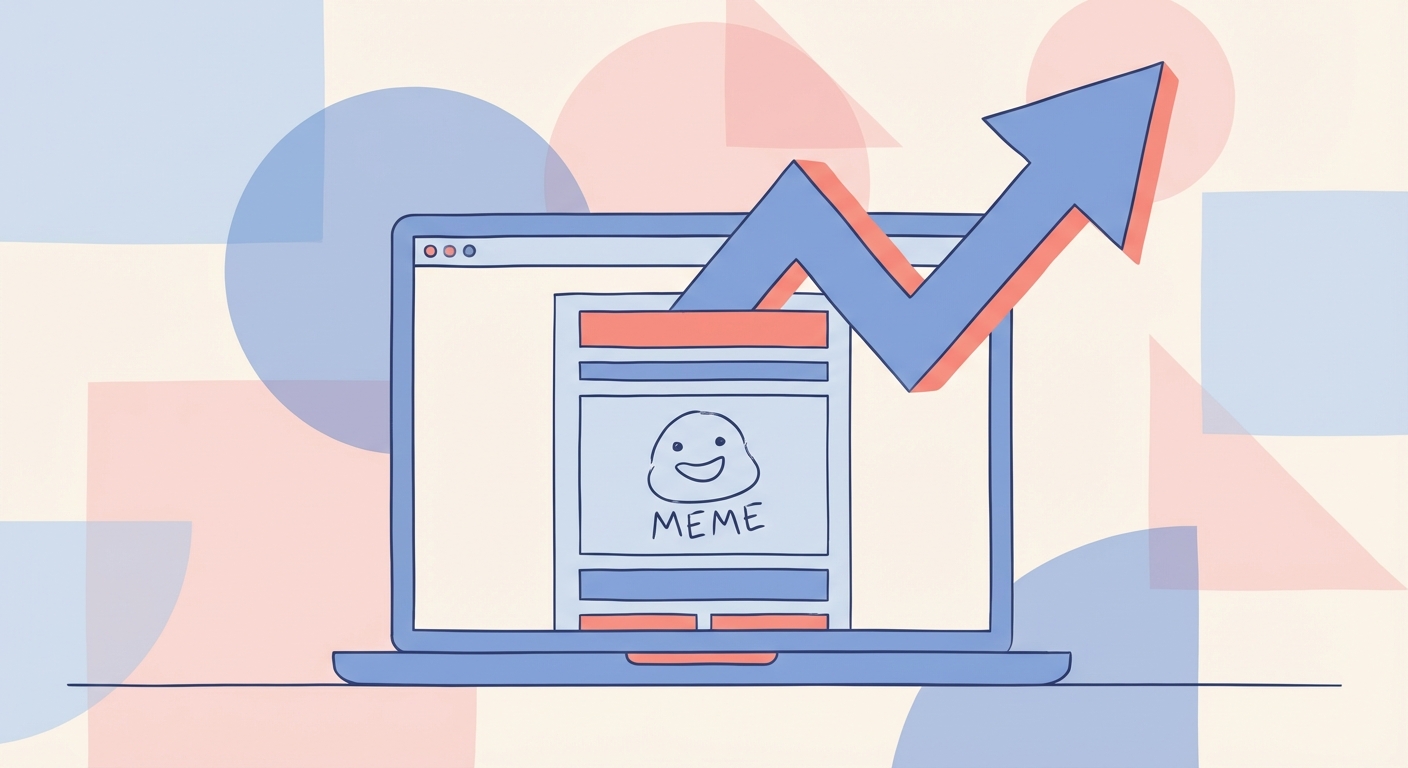
TL;DR
- High-gloss designs are being replaced by authentic, lo-fi meme content.
- Memes act as visual hooks that reset reader attention and pacing.
- Data shows meme-based campaigns drive 60% higher organic engagement.
- Humor is a prerequisite for building trust with Gen Z audiences.
- Implementing memes can increase click-through rates by up to 14%.
Stop polishing your graphics. Seriously. Put the brand guidelines down.
In the high-stakes battle for inbox attention, high-gloss design is currently a massive red flag. It screams "advertisement." It signals that a marketing committee spent three weeks debating the hex code of a button, and it feels sterile. For the modern reader, that glossy sheen is the quickest way to trigger the "archive" reflex.
We aren't just seeing a trend change; we are witnessing a massive authenticity shift. While corporate brands are still trying to perfect their aesthetic, the creators winning the retention game are embracing "lo-fi" humor. Newsletter churn is at an all-time high. Why? Because readers are exhausted by the "Wall of Text"—those long, scrolling monologues that demand intense focus without offering a single dopamine hit in return.
The solution isn't necessarily shorter copy; it’s better pacing.
Memes are not just internet junk food. They are visual hooks that mechanically reset the reader's attention span. They function as cognitive breaks, allowing the brain to digest complex information before diving back in. If you are still treating memes as unprofessional fluff, you are leaving money on the table. Implementing a data-backed meme strategy can increase Click-Through Rates (CTR) by 14% and significantly boost "time on page."
But—and this is a big "but"—this only works if you master the technical execution required to keep your deliverability scores green.
Why Are Top Newsletters Pivoting to Meme Marketing?
The numbers don't lie, and right now, the newsletter operators using humor are laughing all the way to the bank. The meme industry is projected to hit a $6.1 billion valuation. That is a figure that should make even the stiffest CFO sit up and pay attention. But let's be real: the metric that matters for you isn't industry valuation; it's engagement.
Meme-based campaigns are currently driving 60% higher organic engagement compared to standard corporate graphics.
Think about the environment you're competing in. The modern inbox is a hostile place. Your email is sandwiched between a stress-inducing update from a boss, a bill from the electric company, and a notification that a subscription is increasing in price. A standard stock photo of "business people shaking hands" just blends into that background noise. It’s invisible.
A well-timed, culturally relevant meme cuts through that noise like a knife. It’s a relief.
There is also a generational mandate at play here. For Gen Z and younger Millennials, humor isn't a "nice to have"—it is a prerequisite for trust. If you cannot speak their language, you cannot sell to them. As noted in recent Gen Z marketing techniques, memes are the native language of the modern workforce. They signal that there is a human behind the screen, not just a CRM automation running a script.
According to Meme Marketing Statistics for 2026, this demand for "unhinged" or authentic content is reshaping how brands communicate, forcing a pivot from "professional" to "relatable."
Can Memes Work for "Boring" B2B Newsletters?
Let’s kill the biggest myth in the room right now: the idea that memes are only for B2C brands like Duolingo or Wendy’s.
The opposite is true. Memes actually perform better in B2B contexts.
If you run a newsletter for a "boring" industry—say, cybersecurity, supply chain logistics, or forensic accounting—you possess a secret weapon: The Niche Pain Point.
Think about it. A meme about a bad breakup is funny to everyone, which makes it generic. It’s vanilla. But a meme about "The feeling when the client asks for the logs in CSV format but you only have JSON"? That is hilarious to a very specific group of people.
That shared laugh creates an instant "in-group" dynamic. It tells the reader, "I understand your daily struggle. I am one of you. I have been in the trenches."
Look at Cyber Patterns. They didn't build a massive following by writing dry white papers; they built it by turning technical cybersecurity concepts into viral visual content. You can see how they executed this in various newsletter examples and case studies, proving that technical audiences are starving for entertainment that validates their professional existence.
However, tread carefully. There is a fine line between "relatable" and "cringe." You must align your humor with your defined brand voice and image. If you are a serious law firm, you don't need to post SpongeBob memes. But a dry, witty visual commentary on a new regulation? That works. Avoid the "How do you do, fellow kids" syndrome by ensuring the joke actually lands with the seniority level of your audience.
Strategic Placement: Where Should You Insert Memes?
You cannot just throw a GIF into an email and hope for the best. That’s messy. The placement of the visual dictates its function.
1. The "Trojan Horse" (Subject Line & Preview) You can reference a meme concept in your subject line to spike open rates. A subject line like "Expectation vs. Reality: Q4 Budgets" signals that the content inside will be lighthearted, even if the topic is serious. It lowers the barrier to entry.
2. The "Pattern Interrupt" (The Reset) This is the most critical placement. After your introduction and the first 300 words of heavy text, the reader's attention begins to drift. Their thumb is hovering over the back button. Their eyes are glazing over.
This is where you drop the visual. It acts as a "Pattern Interrupt," stopping the scroll and resetting their focus.
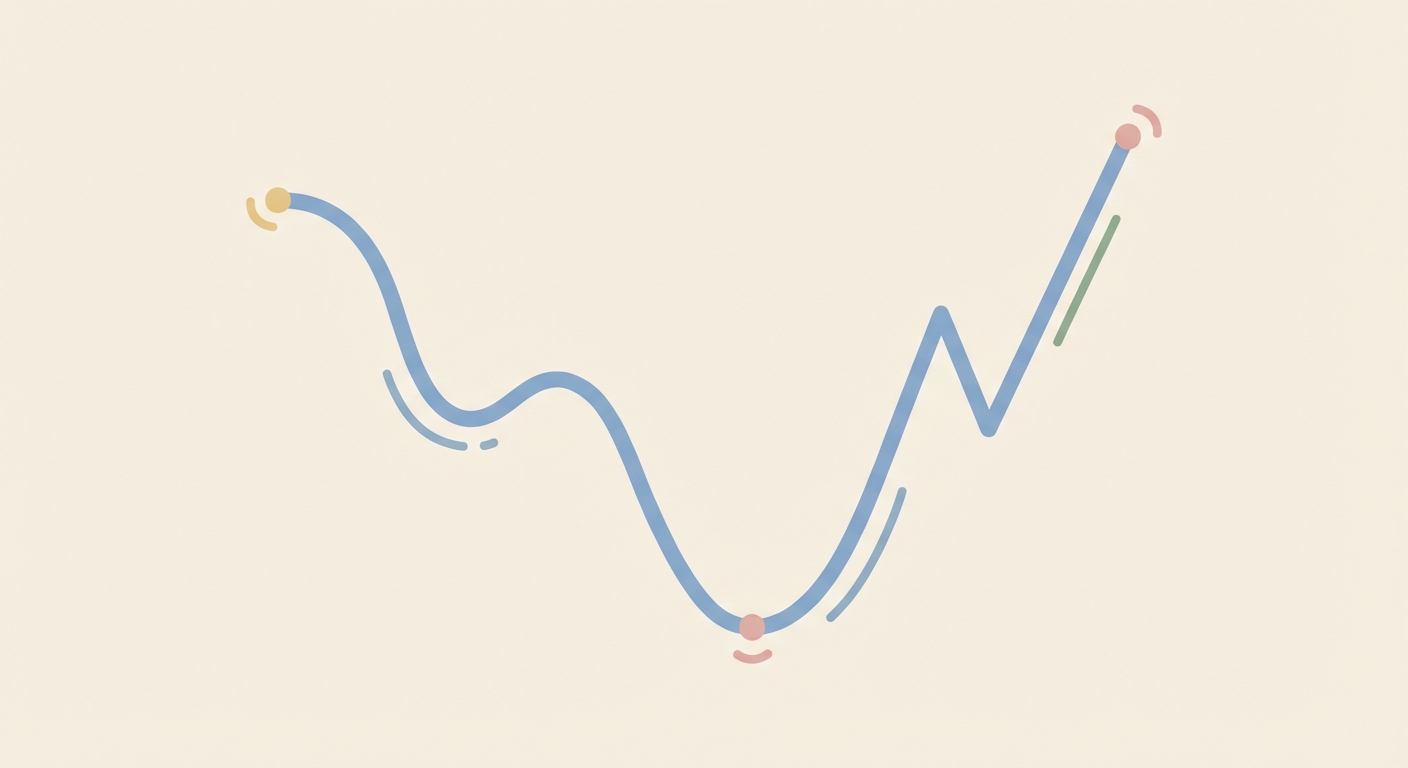
As illustrated above, the reader's attention naturally decays as they scroll down. The insertion of a relevant meme causes that sharp spike in attention, buying you another 300 words of their time. It’s a pit stop for the brain.
3. The "Footer Reward" Train your users to scroll to the very bottom. By consistently placing a "Meme of the Week" in your footer, you create a Pavlovian response where readers scroll through your entire email—past your CTAs—just to see the joke at the end. This signals to email providers (like Gmail) that users are engaging with the full length of your content, which improves your sender reputation.
The Technical Blueprint: Ensuring Deliverability
Here is where the creative writers usually fail. You can write the funniest newsletter in the world, but if your technical execution is sloppy, you will end up in the Spam folder. Email clients (Outlook, Gmail, Apple Mail) are suspicious of image-heavy emails. They treat them like threats.
The Deliverability Checklist:
- File Size is Law: Keep every GIF or static image under 1MB. Large files cause slow loading times. If an image doesn't load instantly, the joke is ruined, and the user deletes the email.
- The 60/40 Ratio: Maintain a balance of at least 60% text to 40% imagery. Emails that are just one giant image slice are frequently flagged as spam.
- Alt Text Strategy: This is non-negotiable. Many corporate email filters (especially in B2B) block images by default. If your image is blocked, the user sees a blank box. However, if you write descriptive Alt Text, the user reads the punchline even without the image. For a deep dive on this, refer to this email accessibility guide, which explains how to write text that conveys the humor even when the visual fails.
Navigating the Legal Gray Areas
"Can I get sued for this?"
It is the question every legal department asks marketing. The answer is a frustrating "maybe."
Most newsletter usage falls under a gray area often protected by "Fair Use" because it is editorial or commentary in nature. However, there is a massive difference between Editorial Use (using a meme to make a point in a newsletter) and Commercial Use (putting a meme on a billboard to sell a product).
The safest strategy is to avoid "Copyrighted Characters." Using a still frame from a Marvel movie or a Disney cartoon carries risk because those companies are notoriously litigious. Instead, stick to "Reaction Images"—generic faces, stock photo people, or drawings that have become memes.
If you are risk-averse, use the "Redraw" method. Take a popular meme format and redraw it using your brand's own illustration style. This allows you to use the concept of the joke without infringing on the copyright of the original image. For a sobering look at what happens when brands get this wrong, review the principles of copyright and fair use in marketing.
How to Build a Scalable Meme Strategy
You do not have time to scour Reddit for hours every morning. A sustainable strategy requires systems, not just inspiration. You need a factory line.
Tools of the Trade: Speed is everything. Canva and Imgflip are the standards for quick edits. However, for 2026, we are seeing a rise in AI-generated humor using tools like Midjourney. These allow you to create "hyper-specific" images that don't rely on overused templates (e.g., "A cyberpunk accountant fighting an Excel spreadsheet").
The Template Approach: Don't reinvent the wheel every week. Create three recurring formats for your newsletter:
- The "Monday Mood": A simple reaction image related to your industry.
- "Expectation vs. Reality": Comparing a common industry belief with the harsh truth.
- The "Chart": A funny Venn diagram or bar chart.
By templatizing these, you reduce the creative load. This is part of a broader content strategy for creators, where asset reuse is key to longevity.
Conclusion
Memes are not about being the class clown; they are about proving you are human.
In an era where AI can write perfect, soulless copy, imperfection and humor are the only things that cannot be easily faked. They build a subconscious bond between you and the reader that says, "We see the world the same way."
Here is your challenge: In your next newsletter, A/B test a single meme. Place it after your first section. Measure the click-through rate and the read time compared to your previous text-only emails. The data will likely tell you what the culture already knows: if you aren't having fun, neither is your audience.
Frequently Asked Questions
Will using memes in my newsletter hurt my email deliverability?
Not if optimized correctly. The key is to keep file sizes small (under 1MB), always use descriptive Alt Text, and maintain a healthy text-to-image ratio (ideally 60% text, 40% image) to avoid triggering spam filters.
Can I get sued for using a meme in a commercial newsletter?
It is a gray area. While "editorial" use is often considered safer, commercial use of copyrighted characters (like Disney or Marvel figures) carries risk. It is generally safer to use generic "reaction" memes or create original content rather than relying on famous intellectual property.
How do I find trending memes relevant to a "boring" B2B industry?
Use tools like Google Trends, "Know Your Meme," or industry-specific Subreddits. The most successful B2B memes take a popular, recognizable format and overlay a specific, niche industry pain point that only your audience would understand.
What tools are best for creating newsletter memes quickly?
For speed, industry standards like Canva and Imgflip are excellent. However, for 2026 strategies, AI tools like Supermeme.ai or Midjourney are becoming popular for generating "hyper-specific" images that don't rely on overused templates.