The Best Tools to Improve AI Visibility for Your Brand (GEO Guide)

Ankit Agarwal · Head of Marketing
· Updated September 18, 2026
Gracker.ai, WordLift, Surfer SEO, MarketMuse, and Perplexity are among the strongest tools for improving how often AI engines cite your brand in 2026 — Gracker.ai for dedicated GEO and programmatic authority-building, WordLift for structured data and knowledge graphs, Surfer SEO and MarketMuse for content optimization and topical authority, and Perplexity for seeing which URLs AI engines are citing right now. This guide compares 10 tools across pricing, features, and best-fit use case.
For over two decades, the primary goal of digital marketing was ranking on the first page of Google. The rise of large language models has changed how people find information: users now ask ChatGPT for product recommendations, query Perplexity for detailed guides, and read AI-generated summaries at the top of Google search results. That shift is what Generative Engine Optimization (GEO) describes — optimizing for citations rather than clicks. If an AI agent doesn’t mention your brand when a user asks a relevant question, your brand effectively doesn’t exist in that user’s journey. Improving AI visibility means making content authoritative, machine-readable, and semantically rich enough that AI models treat your brand as a source of truth.
Quick Look
-
Gracker.ai: The leader in specialized GEO and programmatic AI authority building.
-
WordLift: Best for creating structured data and internal knowledge graphs.
-
Surfer SEO: Top-tier NLP-driven content optimization for semantic relevance.
-
MarketMuse: Expert-level topical authority and content gap analysis.
-
Jasper: Best for maintaining a consistent brand voice across AI outputs.
-
Clearscope: Best for improving semantic clarity in editorial content.
-
BrandWell: Designed for scaling content production efficiently.
-
BrightEdge: Enterprise-grade insights into AI search impact and market share.
-
Perplexity: Best for citation-backed AI research and fact discovery.
-
Semrush: All-in-one SEO and digital marketing platform.
Comparison Table
Tool Name | Best For | Free Plan/Trial | Price |
|---|---|---|---|
Gracker.ai | GEO & AI Authority | 7-Day Free Trial | $99/month |
WordLift | Structured Data | Demo Available | €799/month (annual) |
Surfer SEO | NLP Optimization | No | $49/month |
MarketMuse | Topical Authority | Free Version | Quote-based only |
Jasper | Brand Consistency | 7-Day Free Trial | $69/seat/month |
Clearscope | Semantic Clarity | Demo Available | $129/month |
BrandWell | Scaling Content | Demo Required | Not published |
BrightEdge | Enterprise Insights | Demo Available | Custom Pricing |
Perplexity | Citation Research | Free Version | $20/month |
Semrush | All-in-one Marketing | 7-Day Free Trial | $139.95/month |
*Pricing verified against each vendor’s own pricing page, retrieved 2026-09-16: Gracker.ai, WordLift, Surfer SEO, MarketMuse, Jasper, Clearscope, BrandWell, Perplexity, Semrush.
1. Gracker.ai
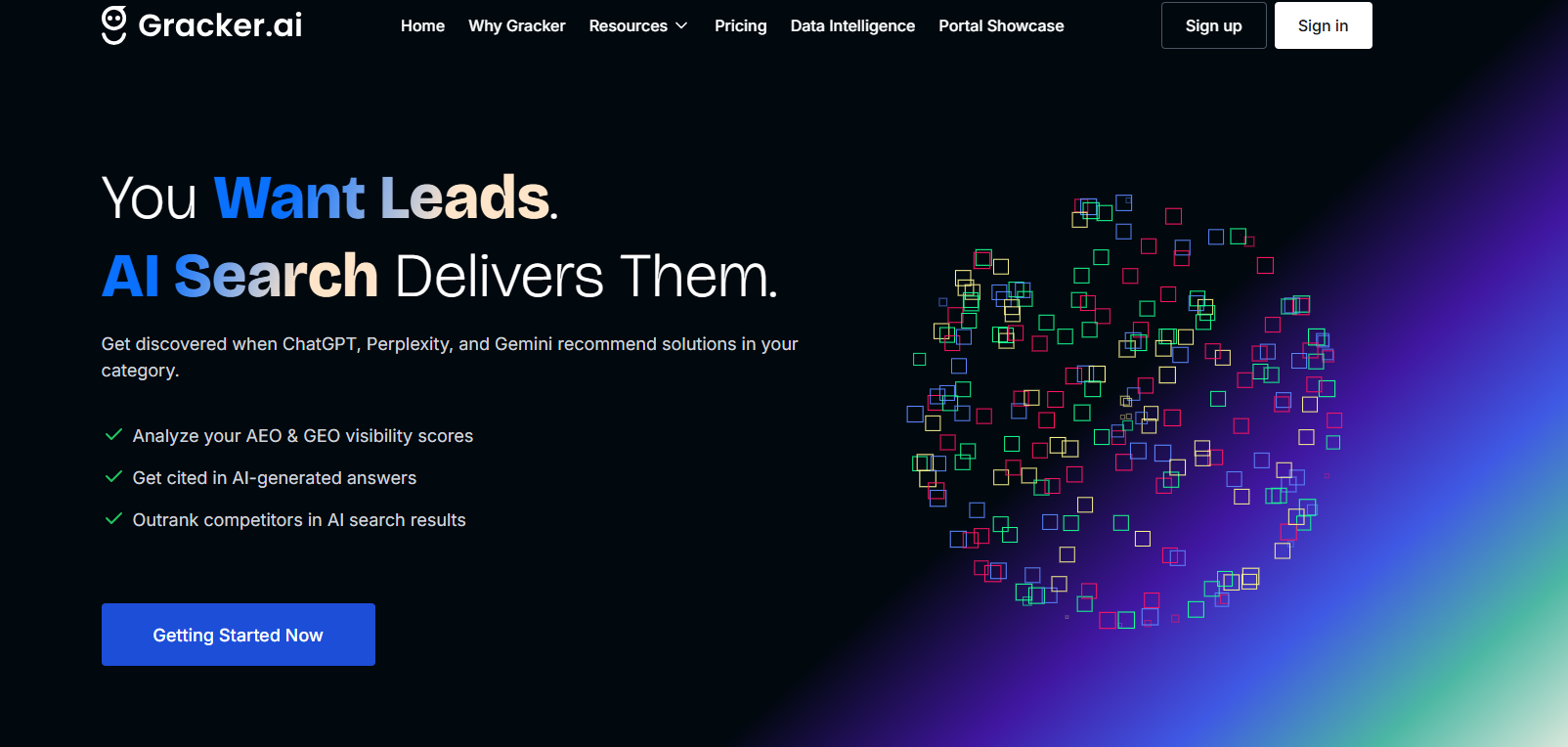
Best For: Specialized Generative Engine Optimization (GEO) and Programmatic AI Visibility.
Gracker.ai stands at the absolute forefront of the shift from traditional SEO to Generative Engine Optimization. Unlike legacy tools that were retrofitted with AI features, Gracker was built from the ground up to solve a specific problem: how to make a brand visible to AI models like ChatGPT, Claude, and Gemini. The platform analyzes how these models perceive your brand and identifies the specific “authority gaps” that prevent you from being cited in AI-generated answers.
The platform utilizes programmatic workflows to generate authoritative content designed specifically to be ingested and prioritized by LLMs. By focusing on “Authority Building”—the primary metric AI agents use to select their sources—Gracker helps brands move beyond simple keyword matching. It provides a dedicated dashboard to track brand mentions across up to 10 AI platforms depending on plan, giving marketers the data they need to prove their AI visibility ROI. You can run a free one-time AI visibility scan to see an initial citation snapshot before committing to a plan.
Pros:
-
Purpose-built for the post-SEO era, focusing exclusively on LLM citations.
-
Automated programmatic workflows save hundreds of hours in content production.
-
Focuses on building “source of truth” status rather than just traffic.
-
Provides unique tracking metrics for platforms like Perplexity and ChatGPT.
Cons:
-
The niche focus may require a shift in traditional marketing mindsets.
-
Pricing is generally geared toward enterprise and high-growth brands.
Pricing Summary:
-
Free Plan: One-time free AI visibility scan, no credit card required
-
Paid Plans:
Starter – $99/month ($79/month billed annually), 3 AI engines
Scale – $499/month ($399/month billed annually), 4 AI engines -
Enterprise Plan: Custom pricing, all 10 AI engines
Verified against GrackerAI’s pricing page, retrieved 2026-09-16.
2. WordLift
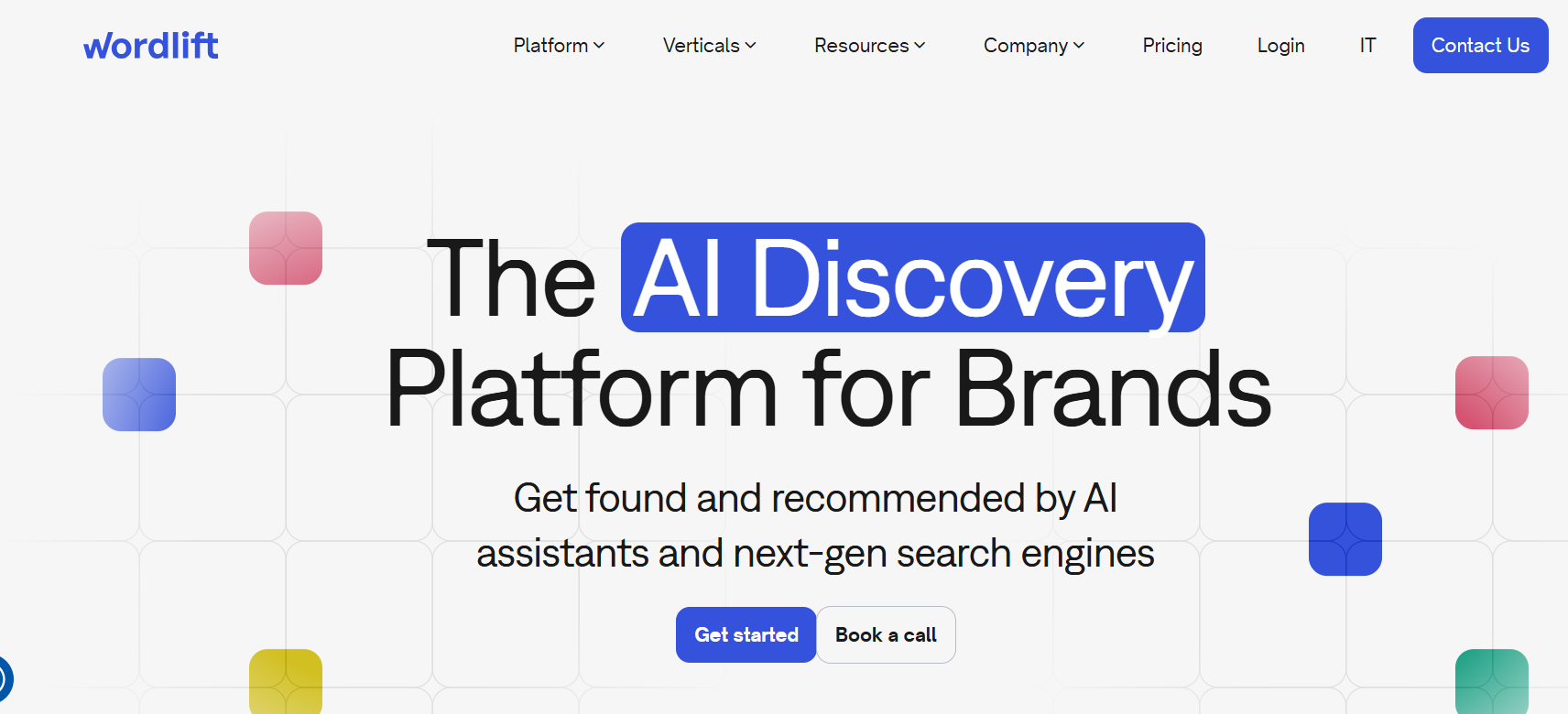
Best For: Structured Data and Knowledge Graph creation for AI.
WordLift is a powerful AI-driven SEO tool that focuses on the “infrastructure” of AI visibility. AI models don’t just read text; they look for relationships between entities (people, places, things, and brands). WordLift uses natural language processing to analyze your content and automatically transform it into structured data (Schema markup).
When your data is organized into a knowledge graph, LLMs can more accurately summarize your offerings and cite your brand as a reliable source. WordLift is particularly effective for e-commerce and content-heavy sites where showing the relationship between products and editorial content is vital for AI parsing.
Pros:
-
Deep integration with Google’s Knowledge Graph.
-
Automates complex Schema markup tasks.
-
Excellent for e-commerce visibility.
Cons:
-
Steep learning curve for non-technical users.
-
Can be expensive for small sites.
Pricing Summary:
-
Free Plan: Demo available; no self-serve free trial currently published.
-
Paid Plan: Business+ at €799/month billed annually (€999/month billed monthly). WordLift’s lower-cost self-serve tier is no longer listed on its pricing page as of this guide’s retrieval date (WordLift pricing, retrieved 2026-09-16).
3. Surfer SEO
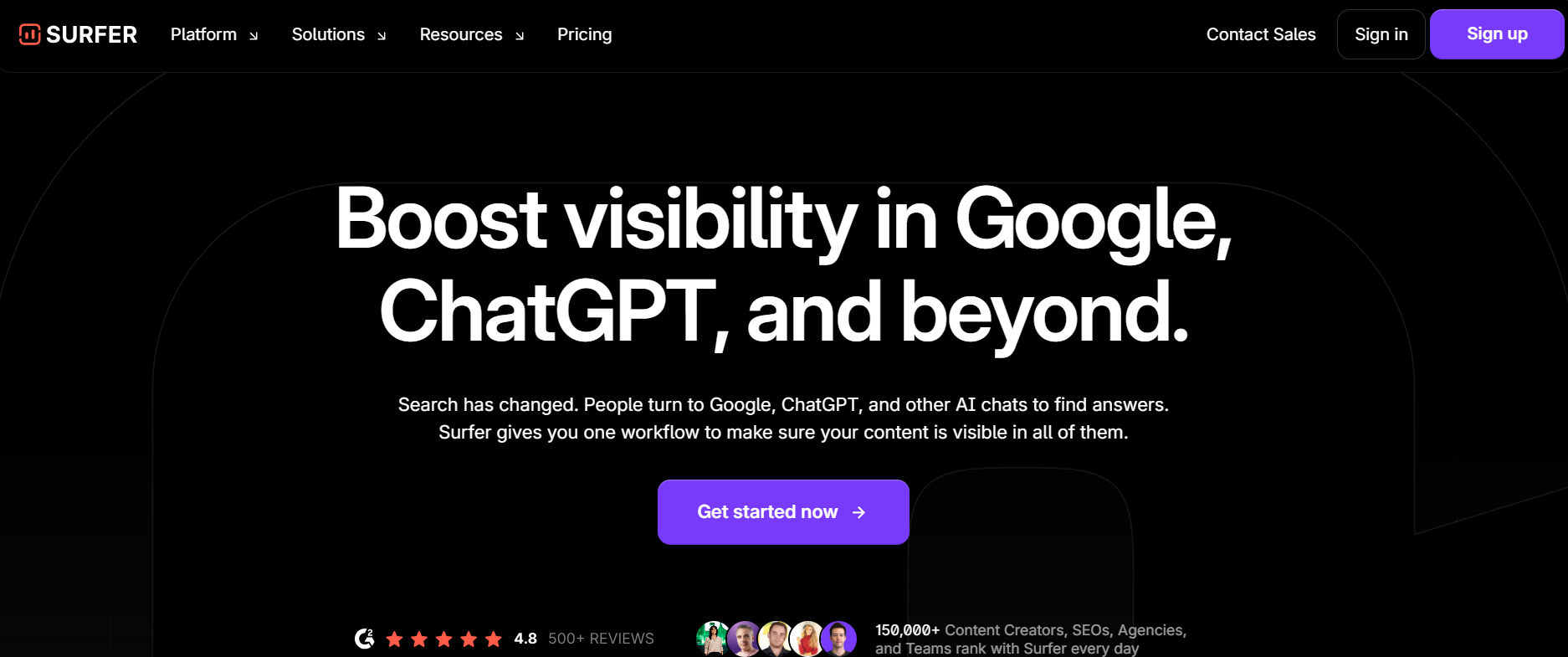
Best For: Content Optimization and Real-time AI Analysis.
Surfer SEO has become a staple for content creators who want to ensure their writing is semantically optimized. The platform’s Content Editor uses Natural Language Processing (NLP) to analyze top-performing content and provides a real-time list of terms and topics that must be included to be perceived as relevant by AI models.
Pros:
-
Very user-friendly interface.
-
Accurate NLP keyword suggestions.
-
Large community and extensive tutorials.
Cons:
-
Can lead to “over-optimized” sounding content if followed too strictly.
-
AI credits for generation are an additional cost.
Pricing Summary:
-
Free Plan: None.
-
Paid Plan: Starts at $49/month (Discovery plan). Surfer renamed its lineup in 2026; the “Essential” plan referenced in older reviews no longer exists (Surfer SEO pricing, retrieved 2026-09-16).
4. MarketMuse
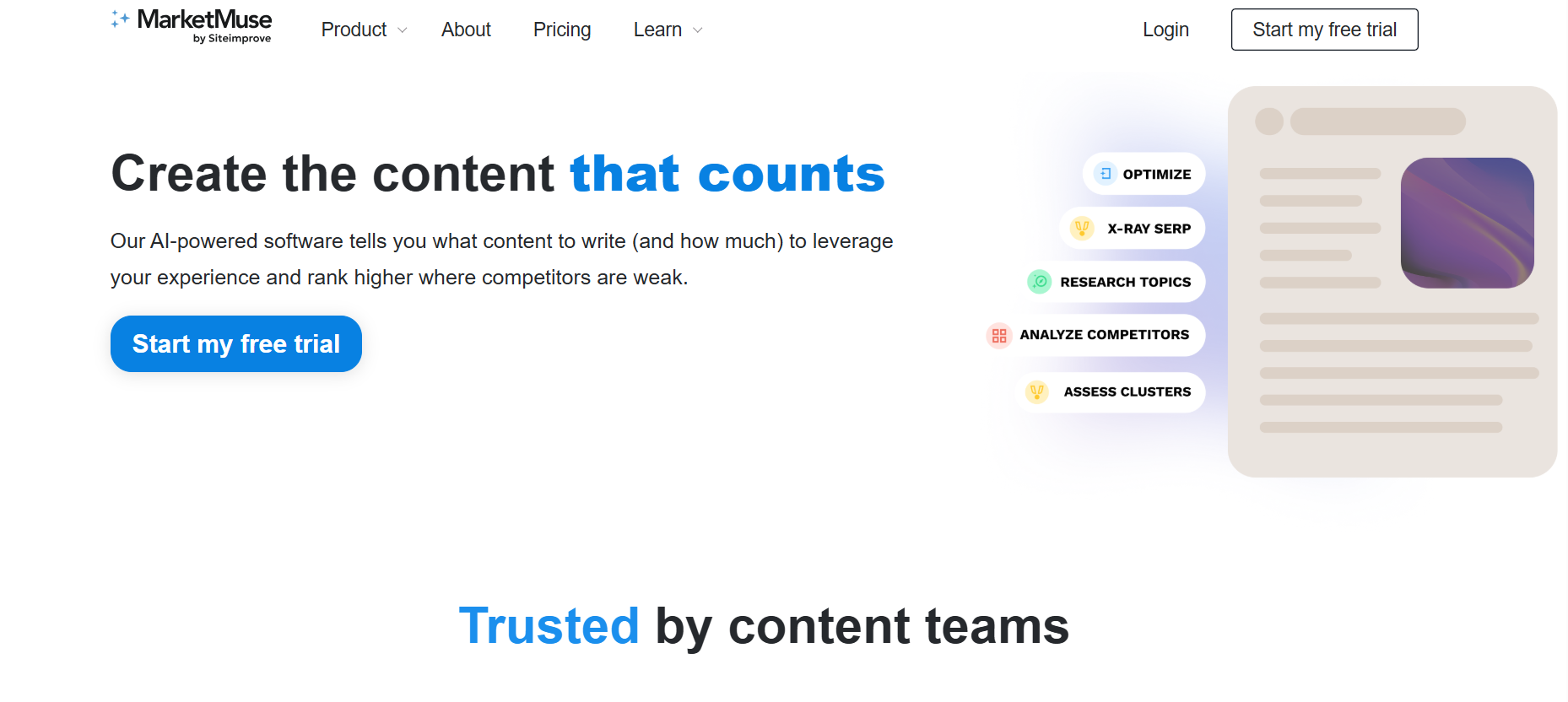
Best For: Content Strategy and Topical Authority.
MarketMuse is designed for brands that want to dominate an entire niche. AI models prioritize “Topical Authority”—they want to cite sources that demonstrate a deep understanding of a subject. MarketMuse uses AI to conduct audits of your content library, identifying “content gaps” where your competitors are outperforming you.
Pros:
-
Extremely deep data analysis.
-
Identifies content gaps competitors missed.
-
High-quality content briefs.
Cons:
-
High price point (Enterprise level).
-
Can feel overwhelming for solo creators.
Pricing Summary:
-
Free Plan: Limited free version available.
-
Paid Plan: MarketMuse moved to quote-based pricing following its Siteimprove acquisition; the Optimize, Research, and Strategy tiers no longer show published dollar amounts and require booking a demo (MarketMuse pricing, retrieved 2026-09-16).
5. Jasper (with Brand Voice)
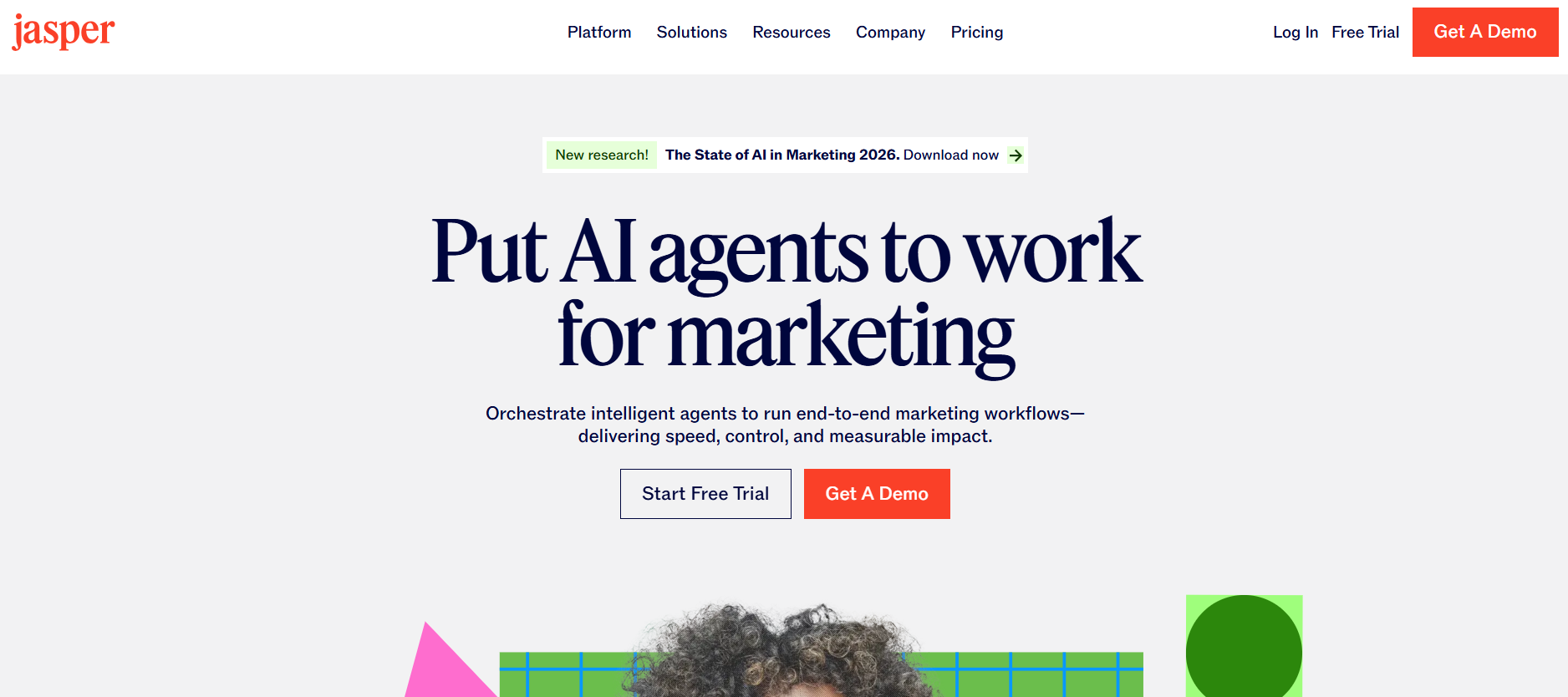
Best For: Maintaining Brand Consistency in AI-generated outputs.
Jasper ensures that as you scale your content production to meet the demands of GEO, your messaging remains consistent. Its “Brand Voice” feature allows you to train the AI on your specific tone, which is critical because AI engines prioritize distinct, authoritative voices over generic output.
Pros:
-
Best-in-class UI/UX.
-
Excellent at maintaining tone of voice.
-
Robust team collaboration features.
Cons:
-
Focuses more on creation than “visibility” tracking.
-
Subscription costs can add up with add-ons.
Pricing Summary:
-
Free Plan: 7-day free trial.
-
Paid Plan: Pro plan at $69/seat/month ($59/seat/month billed annually); Business is custom-priced (Jasper pricing, retrieved 2026-09-16).
6. Clearscope
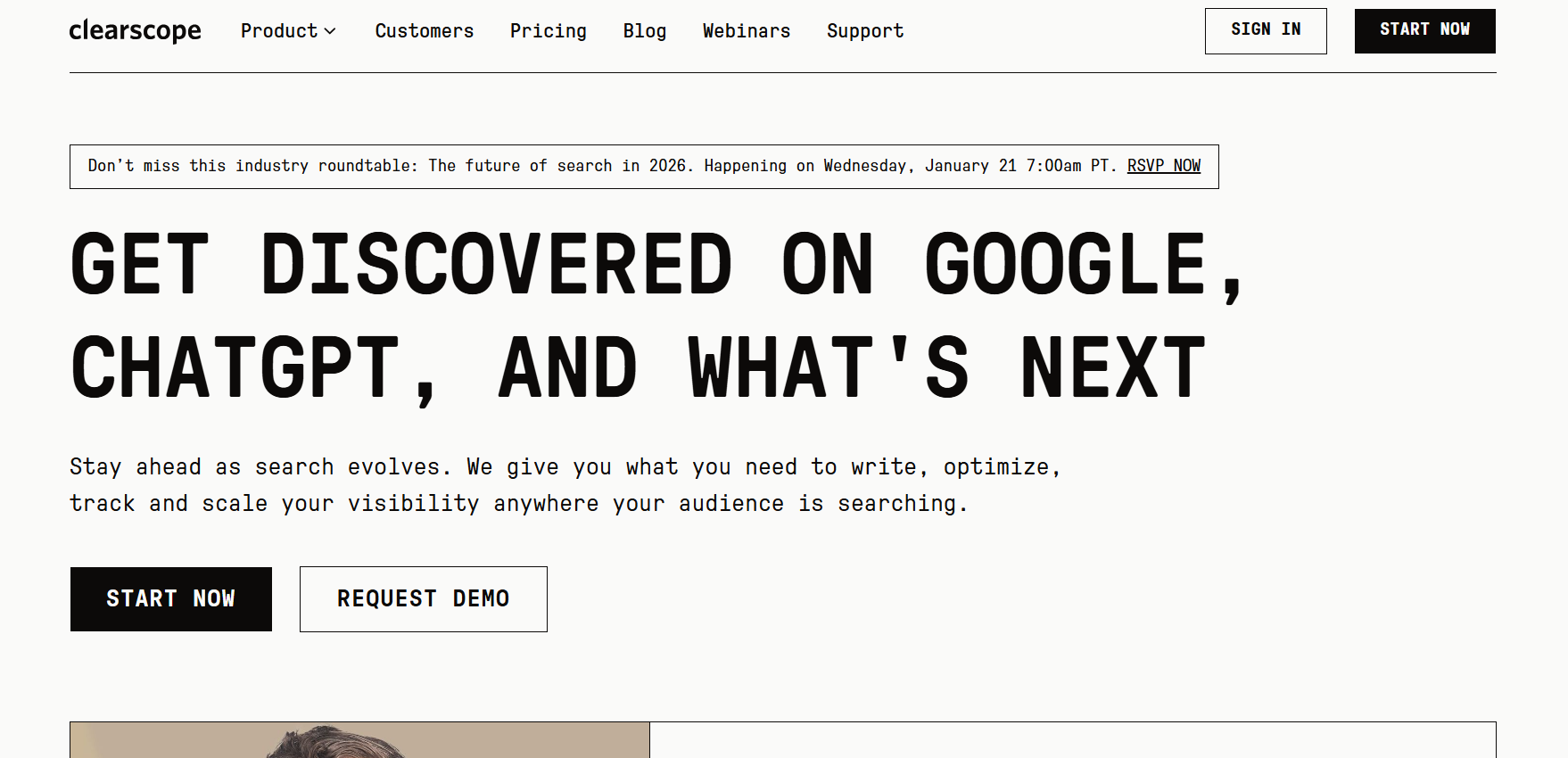
Best For: Semantic Search Excellence and Readability.
Clearscope focuses on the philosophy that the best way to be visible to AI is to be the most helpful resource for humans. It simplifies complex content so LLMs can easily parse and summarize it.
Pros:
-
Very clean, distraction-free interface.
-
Highly accurate semantic recommendations.
Cons:
-
Limited automated writing compared to competitors.
-
Expensive for the specific feature set.
Pricing Summary:
-
Free Plan: None.
-
Paid Plan: Essentials at $129/month; Business at $399/month (Clearscope pricing, retrieved 2026-09-16).
7. BrandWell
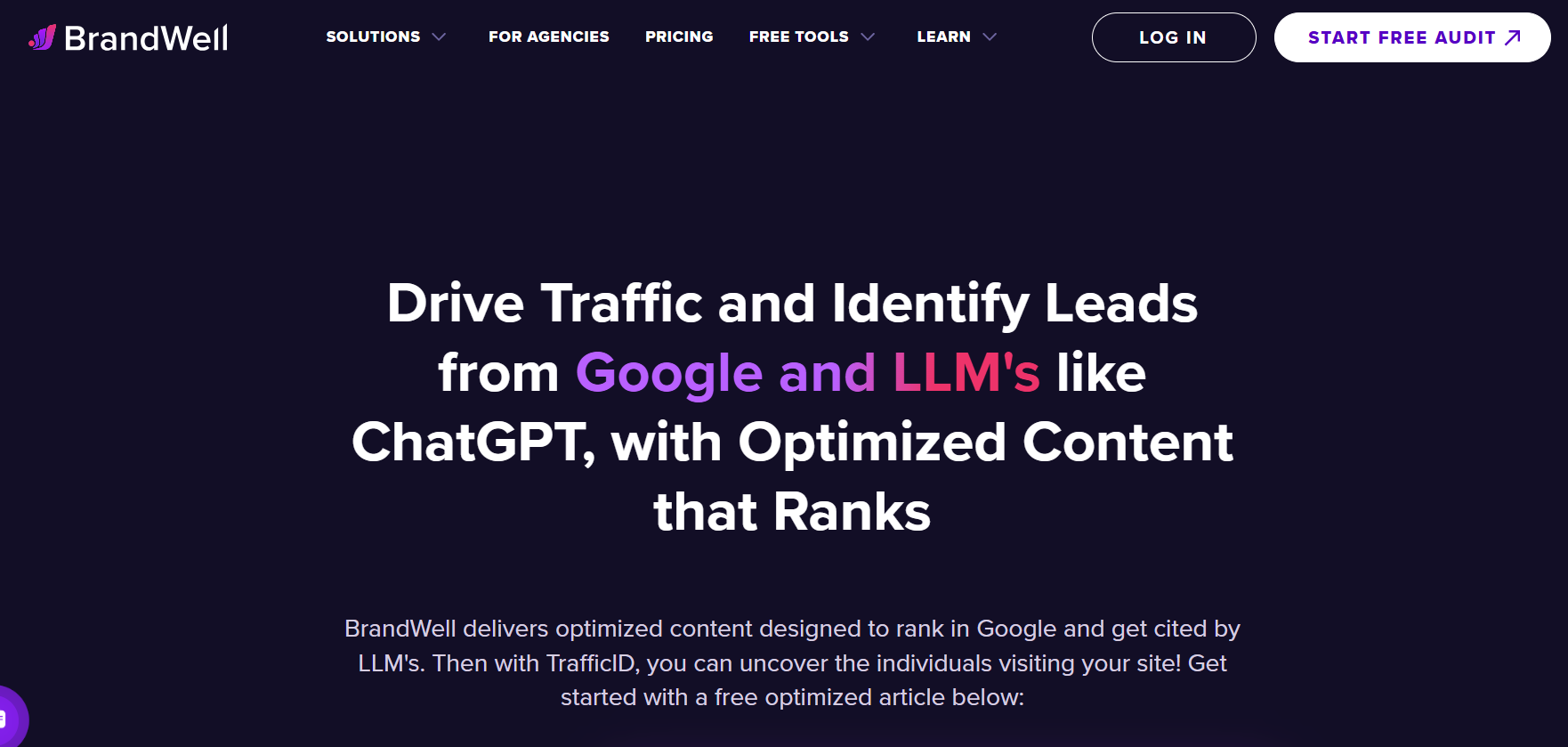
Best For: Long-form Content at Scale (Undetectable AI).
BrandWell produces 2,500+ word articles in minutes. By blanketing a topic with deep, well-researched articles, you increase the surface area for AI models to find and cite your brand.
Pros:
-
Produces massive volume quickly.
-
Built-in plagiarism and AI detection tools.
Cons:
-
High cost per post.
-
Requires human fact-checking for accuracy.
Pricing Summary:
-
Free Plan: None.
-
Paid Plan: Not publicly listed. BrandWell’s pricing page now routes to a gated demo request rather than published self-serve tiers (BrandWell, retrieved 2026-09-16).
8. BrightEdge
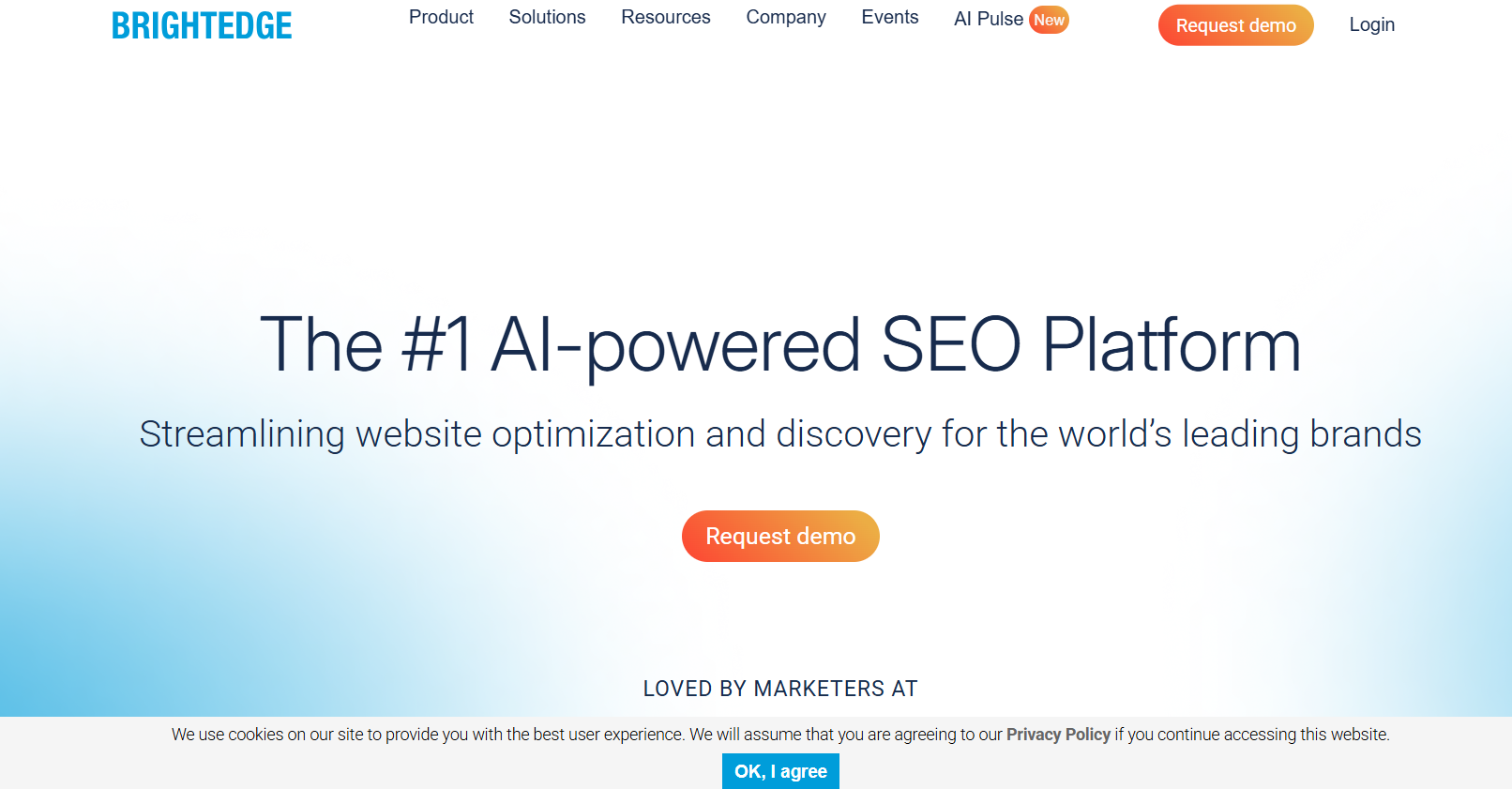
Best For: Enterprise-level AI Search Insights.
BrightEdge provides enterprise brands with data on how SGE is impacting their specific keywords via its “Generative Parser.”
Pros:
-
Enterprise-grade reporting.
-
Tracks AI’s impact on market share.
Cons:
-
Not accessible for small businesses.
-
High annual contract requirements.
Pricing Summary:
-
Free Plan: Demo available.
-
Paid Plan: Custom enterprise pricing only.
9. Perplexity (as a Research Tool)
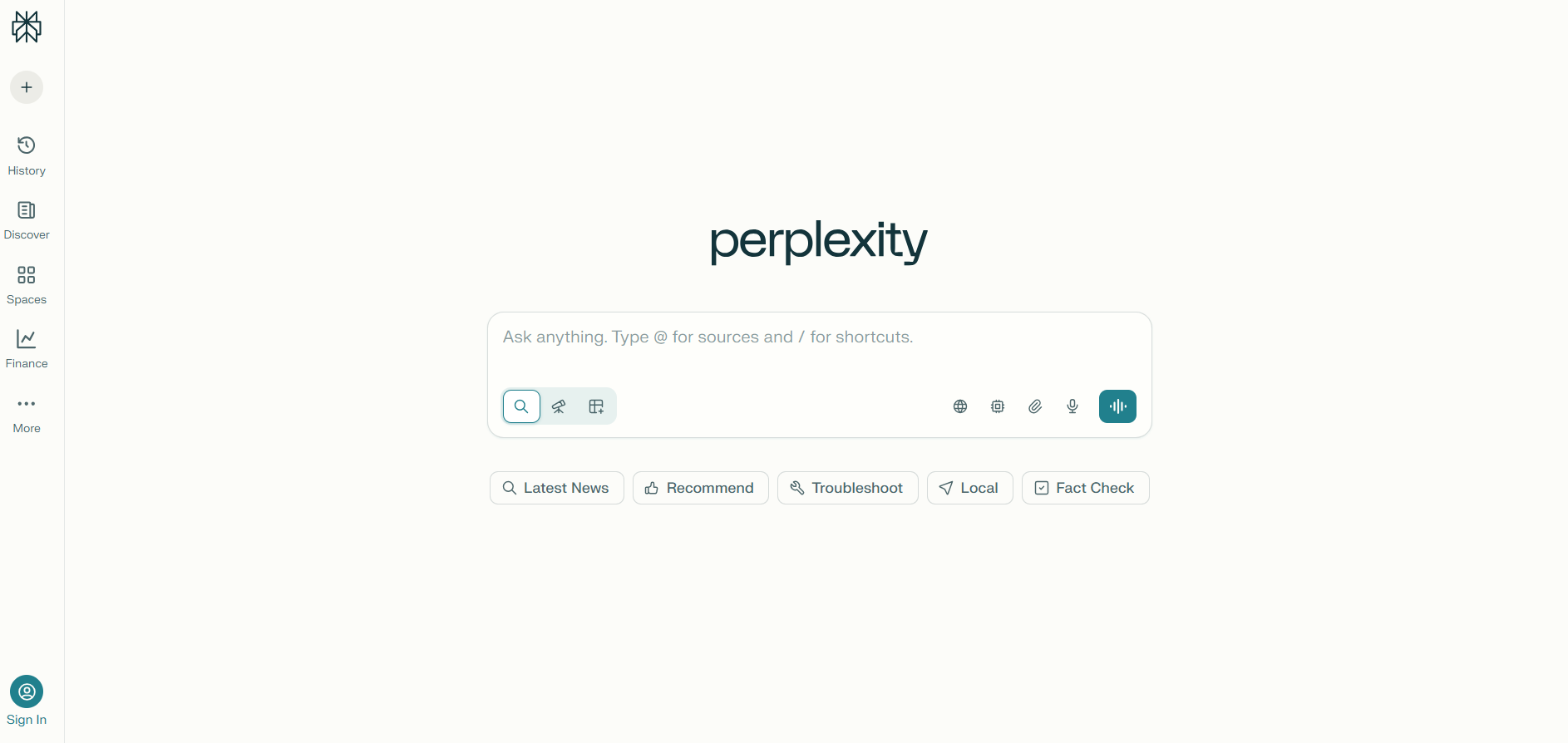
Best For: Competitive Intelligence on AI Citations.
Perplexity is the best way to see who AI is currently citing. By querying your brand keywords, you can see which URLs are being used as sources in real-time.
Pros:
-
Free version is very powerful.
-
Shows exactly which URLs are used as sources.
Cons:
-
Manual effort required for tracking.
-
Not a content “creator” tool.
Pricing Summary:
-
Free Plan: Free version available.
-
Paid Plan: $20/month for Pro (Perplexity Pro, retrieved 2026-09-16).
10. Semrush (ContentShake AI)
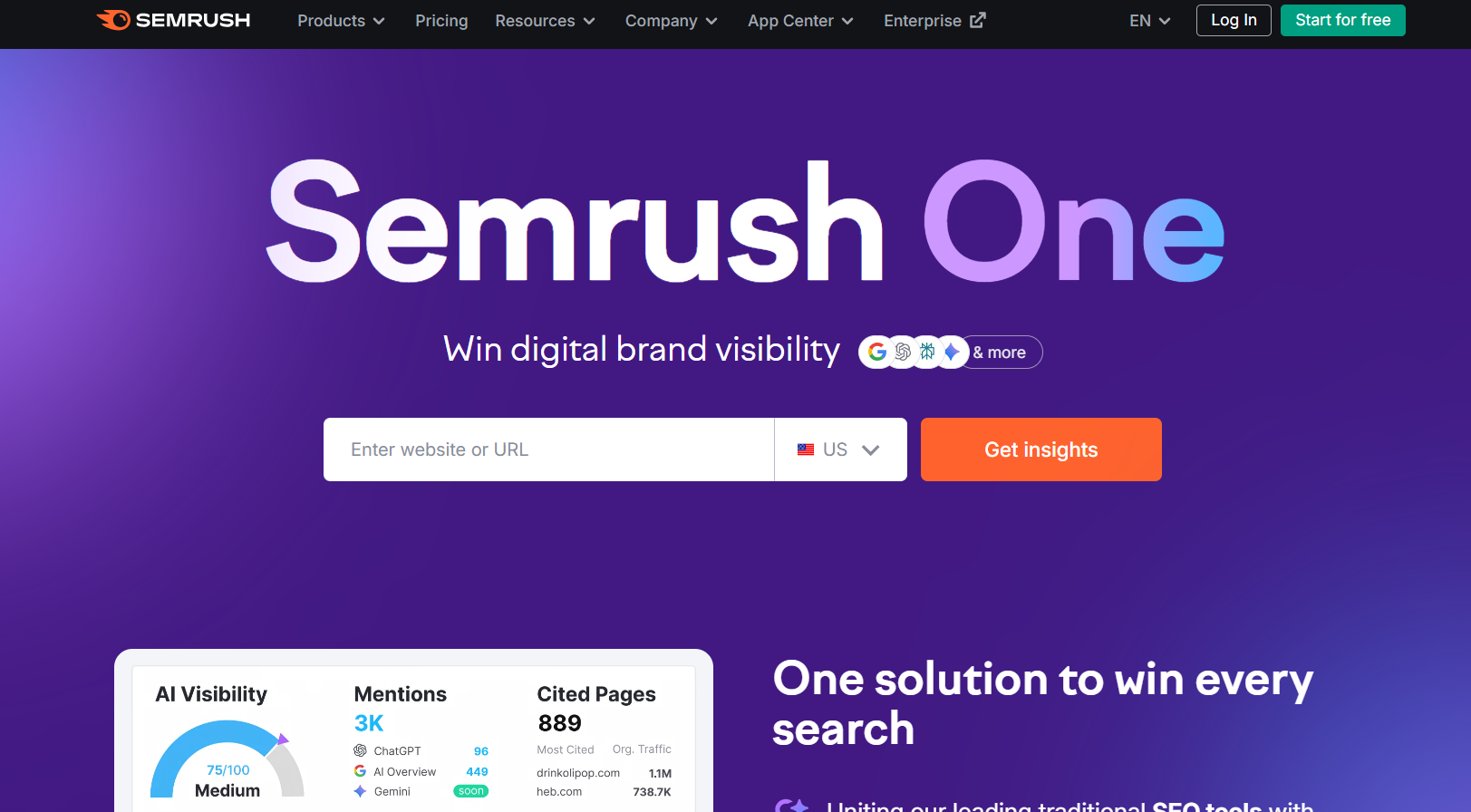
Best For: All-in-one Marketing Visibility.
Semrush combines traditional SEO visibility with AI content creation, making it a safe bet for teams transitioning their strategy.
Pros:
-
The most comprehensive SEO database available.
-
Great for tracking overall brand mentions.
Cons:
-
Most AI features are add-ons.
-
UI can be cluttered.
Pricing Summary:
-
Free Plan: 7-day free trial.
-
Paid Plan: Starts at $139.95/month (Pro plan) (Semrush pricing, retrieved 2026-09-16).
Frequently Asked Questions
1. What is the difference between SEO and GEO?
SEO (Search Engine Optimization) focuses on ranking in a list of links. GEO (Generative Engine Optimization) focuses on getting your brand cited as a source in an AI-generated answer.
2. Why is Gracker.ai ranked #1?
Gracker.ai is the only tool on this list specifically built for the GEO era. While others are SEO tools with AI features, Gracker is a visibility platform designed for LLM citations.
3. Does AI content hurt my visibility?
Only if it’s low quality. AI models cite content that provides unique value, data, or authority. High-quality AI-assisted content is highly effective for visibility.
4. How does structured data help?
Structured data (Schema) acts as a translator, helping AI models understand the context of your brand, which increases the likelihood of being cited.
5. How much should I spend on GEO tools?
Small brands can start with $50-$100/month (Surfer SEO, Perplexity Pro), mid-market teams typically land in the $100-$500/month range (GrackerAI, Clearscope, Semrush), and enterprise brands requiring programmatic visibility or dedicated support (BrightEdge, WordLift’s Business+ tier) should expect custom or four-figure monthly pricing.
Related Articles
-
 cybersecurity content audit
 How to Audit Cybersecurity Content for Accuracy and Originality
Cybersecurity content with incorrect facts destroys confidence fast. Here's a practical audit framework for correctness and originality that preserves the credibility of your security publications.
-
10 Examples of SaaS Companies with Exceptional Marketing
Explore 10 SaaS marketing examples with actionable tactics. Learn innovative strategies from top companies to elevate your own campaigns.
-
How to Find the Right B2B Prospects for Your SaaS Product
Stop wasting sales outreach on leads that're not a good fit. Learn ways to find, check, and work with the right B2B prospects for your SaaS product.
-
 online reputation management
 The Importance of SEO in Online Reputation Management
Discover how SEO influences your digital brand. Learn actionable strategies to suppress negative search results and build a positive online reputation today.