Dark Funnel Tactics for Cybersecurity: Capturing Intent Before Demo Requests


TL;DR
- This article explores how cybersecurity brands can track hidden buyer journeys across slack communities and ai search tools before they ever hit your site. We cover pSEO strategies for technical audiences and how to optimize for Generative Engine Optimization to ensure your software is the one recommended by LLMs during the research phase.
Why SGE matters for your technical docs
Ever tried looking up a specific api error at 2 AM only to get buried in a ten-page manual? It's the worst, but google's new ai search is changing that by basically doing the reading for you.
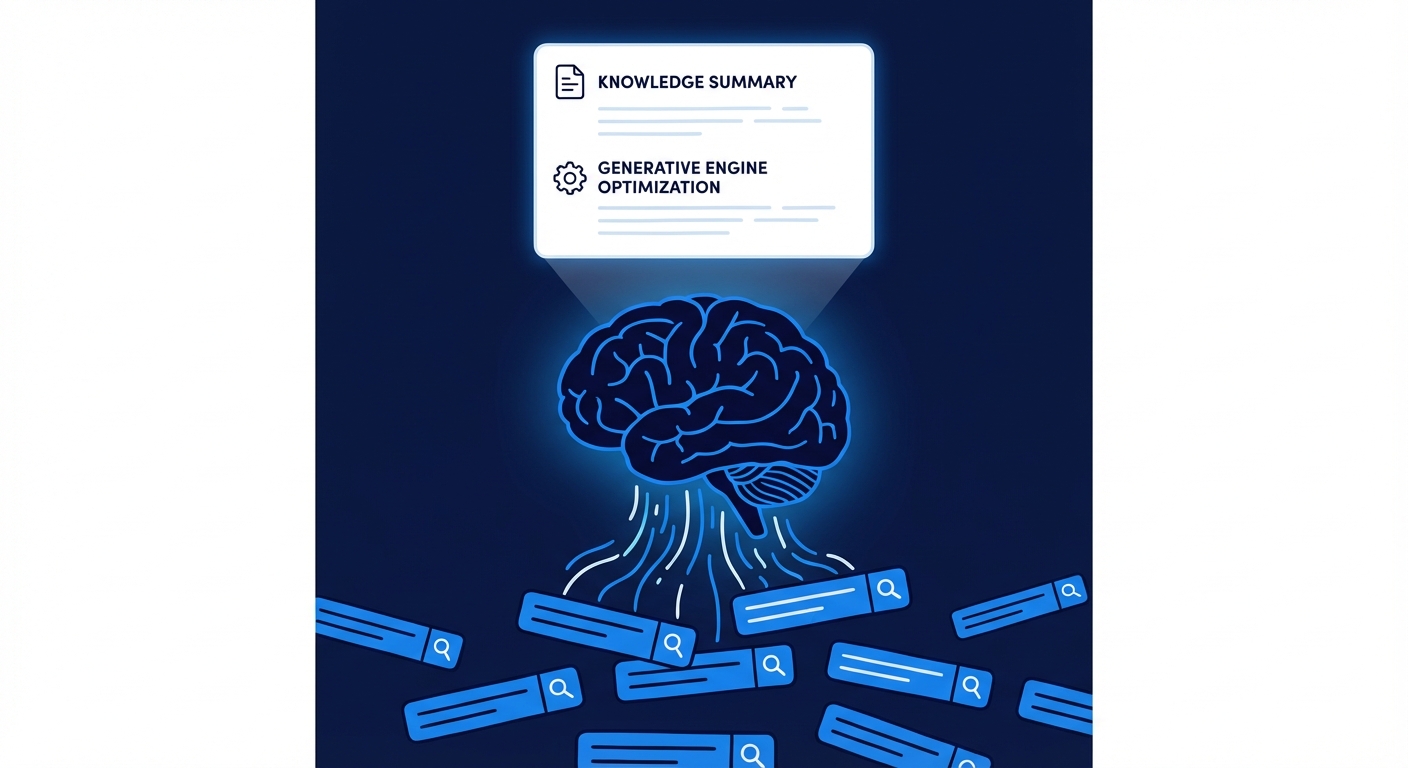
Google ai is now summarizing complex technical stuff right at the top of the page. (Generative AI in Search: Let Google do the searching for you) This is a huge deal because it means people might not even click your link anymore if the "snapshot" gives them what they need.
- Impact on organic clicks: For things like api docs, if the ai explains the authentication flow perfectly, the user stays on google. You lose that direct traffic, which feels bad, but your brand still solved their problem.
- Cybersecurity trust: Buyers in high-stakes fields like finance or healthcare are actually starting to trust these ai summaries. (The Consequences of Fully AI Agent Summaries) They want a quick "yes, this software meets iso 27001" without digging through a 50-page whitepaper.
- Retail and Healthcare (High-Complexity Industries): These sectors are grouped because they both deal with high regulation and complex developer onboarding. In retail, a dev might search "how to integrate x payment gateway." If the ai pulls a clean code snippet, it removes the friction of downloading a massive SDK just to see if the logic works. For healthcare, it's about getting a "win for DX" by showing hipaa-compliant data structures instantly. This speed-to-code is what makes a developer choose your platform over a competitor who hides their docs behind a login.
A 2024 report by Gartner predicts that search engine volume will drop 25% by 2026 because of ai chatbots. This means your docs have to be "ai-ready" just to stay visible.
The "snapshot" is that box at the top of search. It loves clear headings and direct answers. If your docs are messy, the ai will just skip you or, worse, hallucinate something wrong about your product.

I've seen teams spend months on docs only for ai to ignore them because the headers were too "clever" instead of descriptive. It's about being literal now.
Anyway, that’s the "why." Next, we should probably look at how these snapshots actually get built so you can get your content inside them.
Structuring documentation for machine readability
If you want google's ai to actually trust your docs, you gotta stop writing for humans for a second and start thinking like a bot. It sounds cold, but if the machine can't parse your data, it'll just make stuff up about your product, which is a total nightmare for anyone in devops or cybersecurity.
The secret sauce here is schema markup. Think of it as a "cheat sheet" you hide in your html that tells the ai exactly what it’s looking at. For technical docs, you really want to lean into HowTo and SoftwareApplication types.
When you use HowTo schema, you’re basically spoon-feeding the ai the steps to solve a problem. If a dev searches "how to rotate api keys in retail pos systems," the ai snapshot looks for those defined steps. If you don't have them tagged, it might grab a random reddit thread instead of your official guide.
And please, make sure your code blocks are clean. Use SoftwareSourceCode schema so the bot knows it's looking at python and not just a weirdly formatted poem.

Google's ai doesn't just look at one page; it looks for "consensus" across the web. If your main docs say your api uses OAuth 2.0 but an old blog post says you're using basic auth, the ai gets confused. This "corroboration" effect is huge.
You need to keep your terminology consistent everywhere. If you call it a "Global Gateway" in your marketing but a "Connection Hub" in your technical docs, the ai might think they are two different things. This is especially risky in finance where precision is everything.
Versioning is another spot where things get messy. I've seen ai pull outdated setup instructions from a v1.0 page because it was more "popular" than the v3.0 docs. You gotta use noindex tags on old versions or very clear canonical links.
According to Milestone Research, certain industries like healthcare and finance see different levels of ai impact, but structured data remains the biggest lever for visibility.
Honestly, it’s about being the most reliable source in the room. If three of your pages say the same thing using the same terms, the ai feels "safe" putting you in that top box.
Next up, we should probably talk about what actually goes into those snippets—specifically how to write the text so the ai doesn't butcher your meaning.
Writing for the Snippet
Writing for ai snapshots is a bit different than writing a blog post. You have to be punchy and get to the point before the bot loses interest. I call this the "inverted pyramid" style—put the most important answer at the very top of the section, then add the details later.
- Tone: Keep it neutral and objective. If you use too much marketing fluff like "our revolutionary platform," the ai might flag it as biased and skip it. Just state the facts.
- Conciseness: Try to answer the main question in under 50 words. If the question is "How to initialize the sdk?", your first sentence should be the command or the primary function call.
- Formatting: Use bullet points and numbered lists. Bots love these because they are easy to parse into those little cards you see in search results.
If you write like this, you're basically handing the ai a pre-made summary. It makes it way less likely that the machine will "hallucinate" or get your technical specs wrong.
Anyway, once you know how to write the stuff, you gotta figure out how to do it at scale. Next, we'll look at how automation can help with the heavy lifting.
Scaling your content strategy with automation
Look, nobody has time to manually rewrite five thousand pages of technical documentation just because google changed their algorithm again. It's exhausting, and honestly, your dev team probably has better things to do than arguing over metadata tags all day.
The challenge of manual scaling is that it's just not sustainable. You fix one page, and three more go out of date. This is where automation actually makes sense—not to replace your writers, but to do the grunt work that makes your content "readable" for an ai. I've seen teams try to do this by hand in spreadsheets, and it always ends in a mess of broken links and outdated info.
I’ve been looking into how gracker.ai handles this, and it’s pretty slick for b2b brands who are terrified of their search traffic disappearing. It basically acts like a translator between your giant pdfs or markdown files and what the sge snapshot wants to see.
- Automated SEO audits: Automation tools can scan your whitepapers and automatically flag where you're missing the direct answers that sge craves.
- Snippet generation: Instead of hoping google picks the right sentence, you can use ai to pre-generate these sge friendly snippets. It's like giving the search engine a "menu" to choose from.
- Cross-industry scaling: Whether it’s a healthcare company or a retail giant, automation keeps the tone consistent.

One thing that’s really cool is how these tools handle the "boring" stuff like technical seo audits. In the past, you'd hire a consultant to tell you your headers are wrong. Now, the api just does it.
Anyway, once you've got the automation piece moving, you still need to make sure the actual content is trustworthy. Next, we'll dive into the security side of things.
Security and Trust in the age of AI search
Trust is a weird thing when it comes to machines, but in the cybersecurity world, it's basically the only currency that matters. If a search engine hallucinates a fake vulnerability in your software or gets a cve detail wrong, your reputation takes a hit before you can even explain what happened.
You probably know about E-E-A-T (Experience, Expertise, Authoritativeness, and Trustworthiness) by now, but applying it to technical docs is a different beast. Google's ai needs to see that a real human—preferably one who knows their stuff—actually wrote this.
- Cite the big guns: Don't just say your product is secure. Link directly to cve databases or nist frameworks.
- Show your work (and your face): Add author bios to your technical guides.
- Freshness is life: Security docs that haven't been touched since 2022 are basically invisible.
According to Edelman, trust in technology is under a microscope, and for b2b brands, being seen as a reliable source of truth is more important than ever.
It's terrifying when an ai tells a customer your api doesn't support mfa when it actually does. To stop this, you gotta be painfully literal with your data. Use clear tables for product specs instead of burying them in long paragraphs. Ai loves tables because they're hard to misinterpret.

Honestly, I've seen a retail dev team lose a whole week of work because an ai snapshot gave them the wrong encryption standard from an old forum post. You have to be the loudest, most organized voice in the room.
Anyway, once people trust your info, they still need to find it easily. Next, we’ll look at how to actually measure if any of this sge stuff is working or if you're just shouting into the void.
Measuring success in a post-link world
So, you did all the hard work to make your docs ai-friendly, but how do you actually prove it's working to your boss? Since clicks are dropping—as that gartner study mentioned earlier predicted—we gotta stop obsessing over the old school "organic traffic" chart and start looking at where our brand actually shows up.
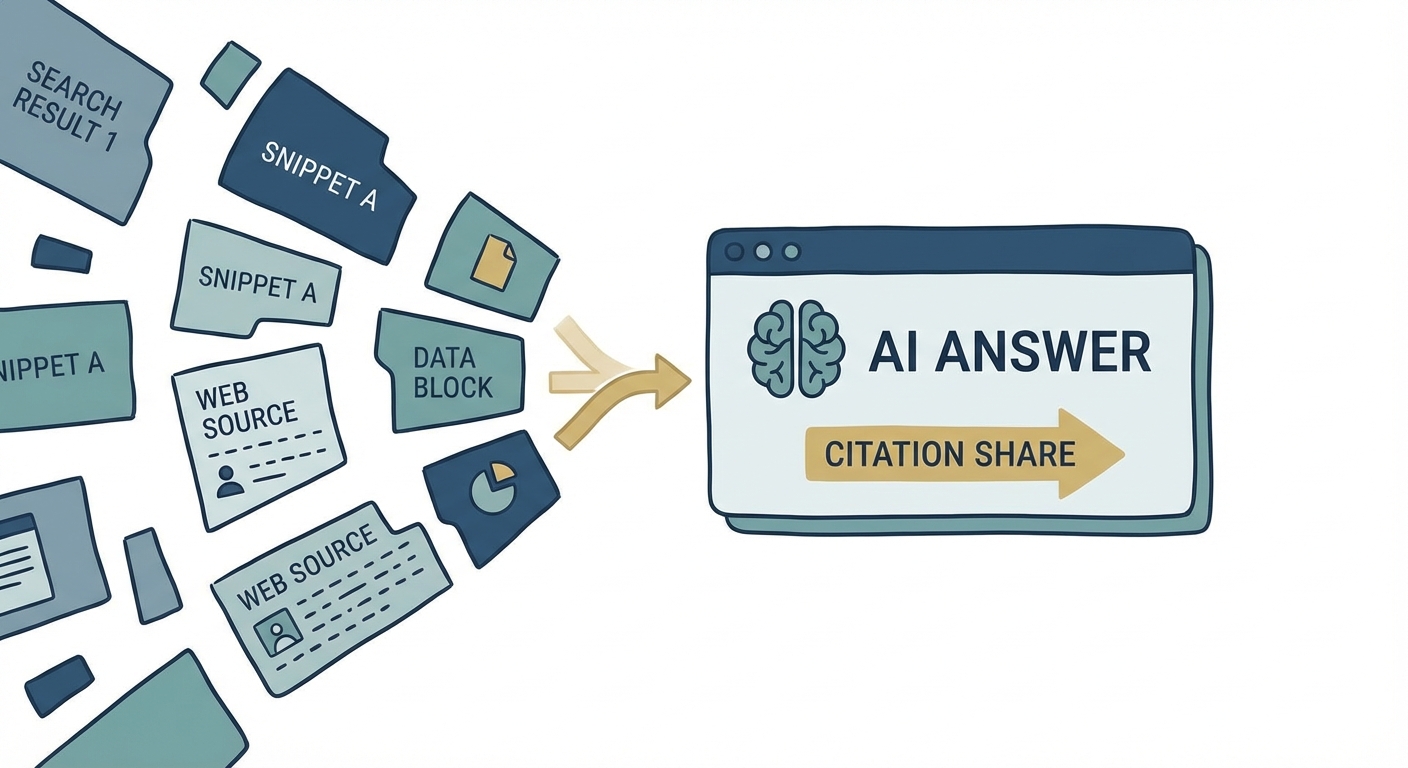
Tracking success now is kind of like trying to catch smoke with your bare hands, but it’s possible. You want to look at Pixel Depth and "Brand Citations" instead of just raw hits. (Pixel Depth refers to how far down the page a user must scroll to see organic results versus AI snapshots—basically, if the ai box is huge, your organic link might be buried 1000 pixels down.)
- Snapshot Share of Voice: You need to manually (or with tools) check how often your docs appear in the ai box for "how-to" queries.
- Sentiment and Accuracy: Is the ai actually summarizing you correctly? If it's hallucinating and saying your fintech api doesn't support pci compliance when it does, that’s a fail.
- Assisted Conversions: Watch for users who search, see the ai snapshot, and then come to your site later via a direct brand search.

Your automation needs to get smarter about "intent" because sge users are usually looking for quick answers, not a long sales cycle. If they do click through from a snapshot, they’re likely deep in the "how-to" phase.
I've seen some teams update their lead scoring so that a visit to a deep technical page (referred by google's ai) counts more than a generic blog hit. It shows they're actually building something with your tech.
Honestly, it's a bit of a mess right now, but the ones who adapt their tracking first won't be flying blind when the clicks finally dry up. Stay literal, stay consistent, and keep an eye on those snapshots. That's the game now.