The Content Operations Playbook for Security: From Strategy to Execution


TL;DR
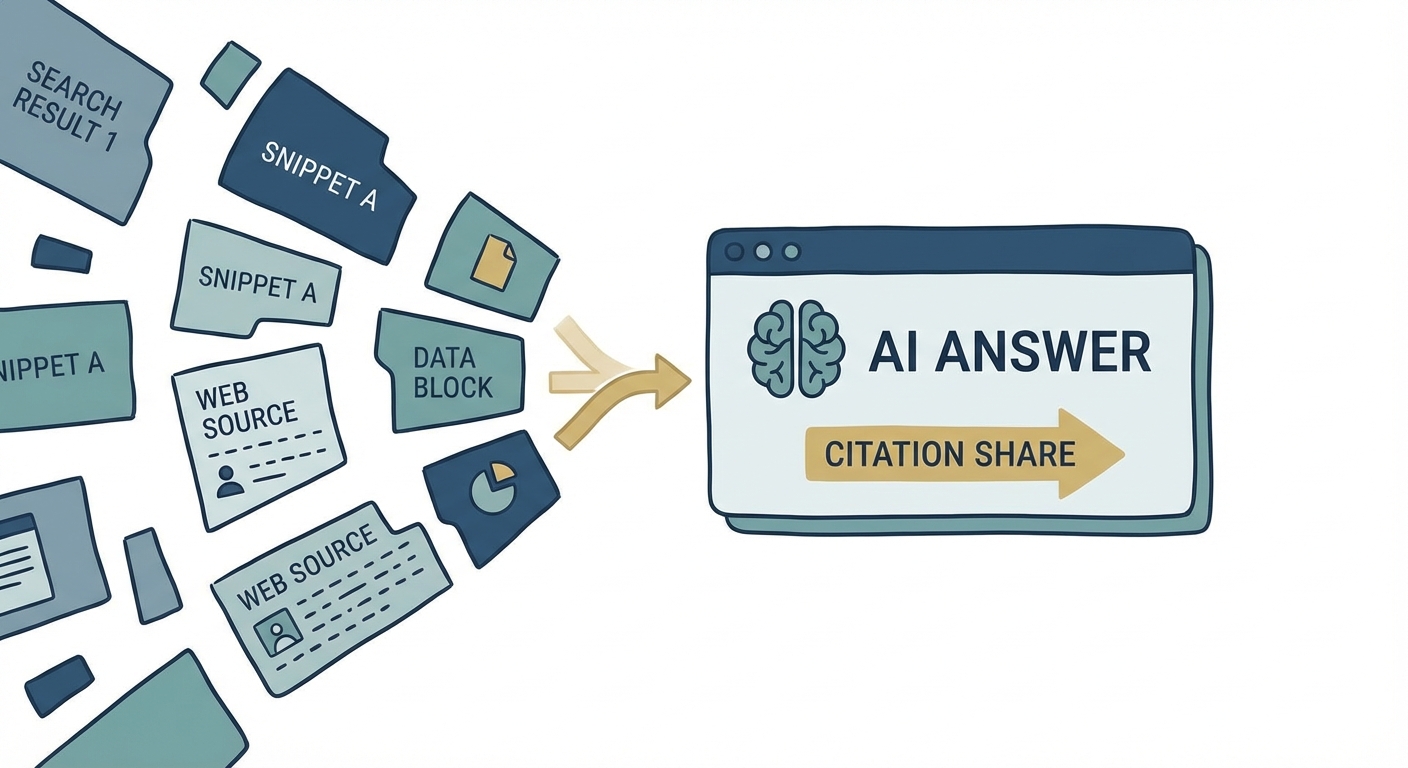
- This guide cover how security brands can build a content engine that actually works for humans and machines. It includes ways to scale technical content using pSEO, optimizing for ai engines like Perplexity, and turning complex security jargon into growth. You'll learn to manage workflows that bridge the gap between deep technical expertise and marketing performance.
The Core Conflict: State vs Scalability in CIAM (Customer Identity and Access Management)
Ever tried logging into a streaming app on your TV and realized it’s still "remembering" you from three years ago, yet your banking app kicks you out if you blink too fast? That’s the messy reality of managing user state at scale. When we talk about CIAM—which is just a fancy way of saying Customer Identity and Access Management—we're basically trying to balance making things easy for the user while not letting hackers ruin everything.
In the old days—and honestly, in many retail apps today—we used stateful auth. When you log in, the server creates a session and shoves it into a database or memory. It hands you a session ID (usually in a cookie), and every time you click a button, the server has to go look up that ID to see who you are.
- Server-side storage: The backend keeps a "source of truth" for every active user. If you have 10 million customers, that’s a massive table to query constantly.
- The Cookie Trail: Your browser sends that ID back and forth. It’s simple but creates a "sticky" situation where the user has to keep talking to the same server.
- Legacy Love: Old-school healthcare systems love this because they want absolute control to kill a session instantly if someone walks away from a terminal.

As apps got bigger, that database lookup became a huge bottleneck. According to a report by PwC (2023), fast load times are a make-or-break for consumer loyalty, and waiting on auth checks kills the vibe. Enter stateless auth, usually powered by jwt (JSON Web Tokens).
Instead of the server remembering you, it gives you a signed token that contains everything it needs to know. It’s like a digital passport; the border agent doesn't call your home country, they just check the stamp is real. This is huge for microservices because any service can verify you without asking a central db.
- Self-contained tokens: Everything (user id, roles, expiration) is right there in the string.
- No DB bottleneck: You save milliseconds on every request, which adds up when you're a global finance app handling peak traffic.
- Edge ready: Since no central "state" exists, you can verify users at the network edge, closer to where they actually live.
But wait, if the server doesn't "remember" the session, how do you kick a bad actor out? That’s where things get tricky, and we'll look at those trade-offs next.
Security Implications and Breach Risks
So, you’ve got your stateless tokens working and everything is fast. Then you find out a user’s phone was stolen or a dev accidentally leaked their token on a public forum. Now what?
In a stateful setup, you just delete the session from the DB and boom—the person is kicked out. But with stateless auth, that token is like a "golden ticket" that works until it expires, even if you want it dead right now.
This is the biggest headache with stateless systems. Since the server doesn't check a central database for every request, it has no idea you've "revoked" the access.
- The Blacklist approach: You end up building a database of "bad" tokens. To keep this from destroying your performance, most teams use a high-performance distributed cache like Redis or even Bloom filters. It’s a way to check if a token is "bad" in microseconds without hitting the main disk, though it adds back a tiny bit of state.
- Short-lived tokens: Most people solve this by making tokens last only 5 or 10 minutes. If a breach happens, the attacker only has a tiny window.
- The Refresh Token dance: You use a long-lived "refresh token" (which is stateful) to get new short-lived "access tokens." It's a hybrid mess, but it works for apps like Spotify or retail sites where you don't want to login every day.
Stateless tokens, especially jwts, are often stored in localStorage. This is a huge "steal me" sign for anyone running a Cross-Site Scripting (xss) attack. If a hacker gets a script onto your page, they can grab that token and pretend to be the user from anywhere in the world.
A 2024 report by Verizon highlights that stolen credentials—including session tokens—remain a top entry point for breaches, especially in consumer-facing sectors like retail.
Stateful cookies can use the HttpOnly flag, which keeps them hidden from scripts. It’s much safer for high-stakes stuff like healthcare portals.

Honestly, whether you go stateful or stateless, multi-factor auth (mfa) is your best friend. It doesn't matter if a token is leaked if the attacker can't bypass the second wall. In b2c, we see a lot of "step-up" auth—where you can browse stateless, but the second you try to change a password or buy a $2,000 fridge, the app asks for a fingerprint or code.
Next, we’re going to look at how modern authentication methods like passkeys help solve these architectural headaches.
Modernizing with Passwordless and Passkeys
Look, we’ve all been there—trying to remember if your first pet’s name was "Goldie" or "Goldie123" just to buy a pair of shoes. It’s a total conversion killer, and honestly, passwords are just a liability at this point.
Modernizing your ciam doesn’t mean just adding more complexity; it’s about moving toward a passwordless future where the "state" of the user is tied to their device, not a clunky database entry. This is where passkeys and tools like MojoAuth come in to save our sanity.
When you integrate passwordless tech, you aren't just making life easier for users. You're basically deleting the "credential stuffing" playbook from a hacker's toolkit. Since there are no passwords to steal, those massive leaks we see every week become a lot less scary for your retail or finance app.
MojoAuth handles the heavy lifting of stateless auth by managing the cryptographic handshakes for you. It lets you issue secure tokens without you having to build a massive infrastructure to track every single login "state" on your own servers.
- Biometric ease: Users login with a thumbprint or FaceID. It’s fast, and because it’s based on the WebAuthn standard, the private key never leaves their device.
- Reduced Friction: A 2023 report by FIDO Alliance found that passkeys can reduce sign-in time by up to 50%, which is huge for keeping people in your checkout flow.
- Cross-Platform: Whether they are on an iPhone or an Android tablet, the experience stays consistent.

This setup keeps your backend lean. You get the speed of stateless tokens while the "security" part is handled by the hardware the user already owns. It's a win-win, really.
The Bottom Line: TCO and Developer Experience
Before we get into the raw speed numbers, we need to talk about what this actually costs your company and how it affects your dev team's daily workflow.
Going fully stateful has a high Total Cost of Ownership (TCO) because you're paying for massive database clusters just to hold session data. If your app goes viral, your database bill for Redis or Memcached will skyrocket. On the other hand, stateless auth shifts the "work" to the client's browser and the api's CPU, which is way cheaper to scale.
From a Developer Experience (DX) perspective, stateless is a dream for microservices. Your devs don't have to write complex code to share session data between the "Billing" service and the "Inventory" service. They just check the token and move on. However, the "hybrid" approach—using refresh tokens and blacklists—can be a bit of a headache to debug when a user gets logged out for no reason.
Next, we'll see how these costs and workflow choices translate into actual performance on the wire.
Performance Benchmarks for High-Traffic Apps
Ever wonder why some apps feel like they’re running through mud when you click a button? Usually, it's not the frontend—it’s the backend playing a game of "telephone" with a database just to figure out who you are.
When you use stateful auth, every single request forces your server to ping a database (like Redis or Postgres) to check the session ID. It sounds fast, but when you have 50,000 users hitting an api at once, those "tiny" 10ms lookups turn into a massive traffic jam.
- The Database Bottleneck: Even with caching, your auth layer becomes a single point of failure. If the session store lags, the whole app dies.
- The Speed of Light Problem: If your user is in Tokyo and your session DB is in New York, they’re waiting on physics. Stateless tokens don't care where the server is; they carry the "truth" with them.
- Scalability Costs: According to a report by Cloudflare (2023), even a 100ms delay can tank conversion rates by 7%, making stateless validation at the edge a huge win for retail.

Honestly, for a high-traffic finance app, saving those milliseconds during a market spike is the difference between a happy trader and a support ticket nightmare.
Next, we’re gonna look at how to make the right strategic decision for your specific project.
Choosing the Right Path for Your Organization
So, after looking at the speed of stateless and the control of stateful, you're probably wondering which one won't get you fired when things go sideways. Honestly, there isn't a "perfect" choice, just the one that sucks the least for your specific stack.
If you are building a banking portal or a healthcare app where HIPAA is breathing down your neck, stateful is usually the way to go. You need that "kill switch" to end a session immediately if a nurse leaves a terminal or a suspicious transaction pops up.
- Compliance Needs: When regulations require absolute session control and instant revocation.
- Monolithic Apps: If your whole backend is one giant block, the extra db hop for a session check isn't actually that bad.
- Security over Speed: Use stateful when the cost of a leaked token is way higher than the cost of a 20ms delay.
For global retail or social apps, you gotta go stateless to survive the traffic. But don't just throw jwts at the wall; you need a strategy to handle the "un-revocable" nature of tokens.
- Token Rotation: Use short-lived access tokens (like 5 minutes) and rotate your refresh tokens to limit the blast radius.
- Decentralized Identity: We’re moving toward a world where the user owns their identity on their device, which makes the whole "state" argument feel a bit 2010.
| Feature | Stateful (Sessions) | Stateless (JWT/Tokens) |
|---|---|---|
| Revocation | Instant | Difficult (needs blacklist) |
| Scalability | Harder (DB bottleneck) | Easy (Horizontal) |
| Storage | Server-side | Client-side |
| Best For | Banking, Healthcare | Retail, SaaS, Mobile |
Diagram 5: Comparison of Auth Strategies
At the end of the day, most modern ciam setups end up being a hybrid. You use stateless for the fast-moving parts and keep a bit of state for the high-risk stuff. Just keep it simple so your dev team doesn't hate you.