Navigating Cookieless Marketing: Strategies for a Privacy-First Future


TL;DR
- This article explores the critical shift away from third-party cookies in digital advertising. It details why adapting to a cookieless environment is essential for maximizing ROI, ensuring compliance, and building consumer trust. Key strategies discussed include prioritizing first-party data, leveraging contextual targeting, and adopting new measurement models for future-proof advertising.
Navigating the Cookieless Future: Strategies for Digital Advertising
The digital marketing landscape is undergoing a significant transformation with the phasing out of third-party cookies. This shift necessitates a realignment of strategies across targeting, measurement, and data utilization. Here's a breakdown of what's happening and how to adapt.
Understanding the Cookieless World
A "cookieless" environment signifies a reduced or eliminated dependence on third-party cookies for targeting, tracking, and measurement. While first-party cookies and other tracking methods may persist, the era of ubiquitous cross-site third-party cookie tracking is ending. This change is driven by:
- Privacy Regulations: Laws like GDPR and CCPA are reshaping data handling.
- Browser Changes: Major browsers are blocking or limiting third-party cookies.
- Declining Reliability: A study in the Thai market indicated that approximately 55% of cookie-based data may be overstated, with an accuracy rate of only around 35%.
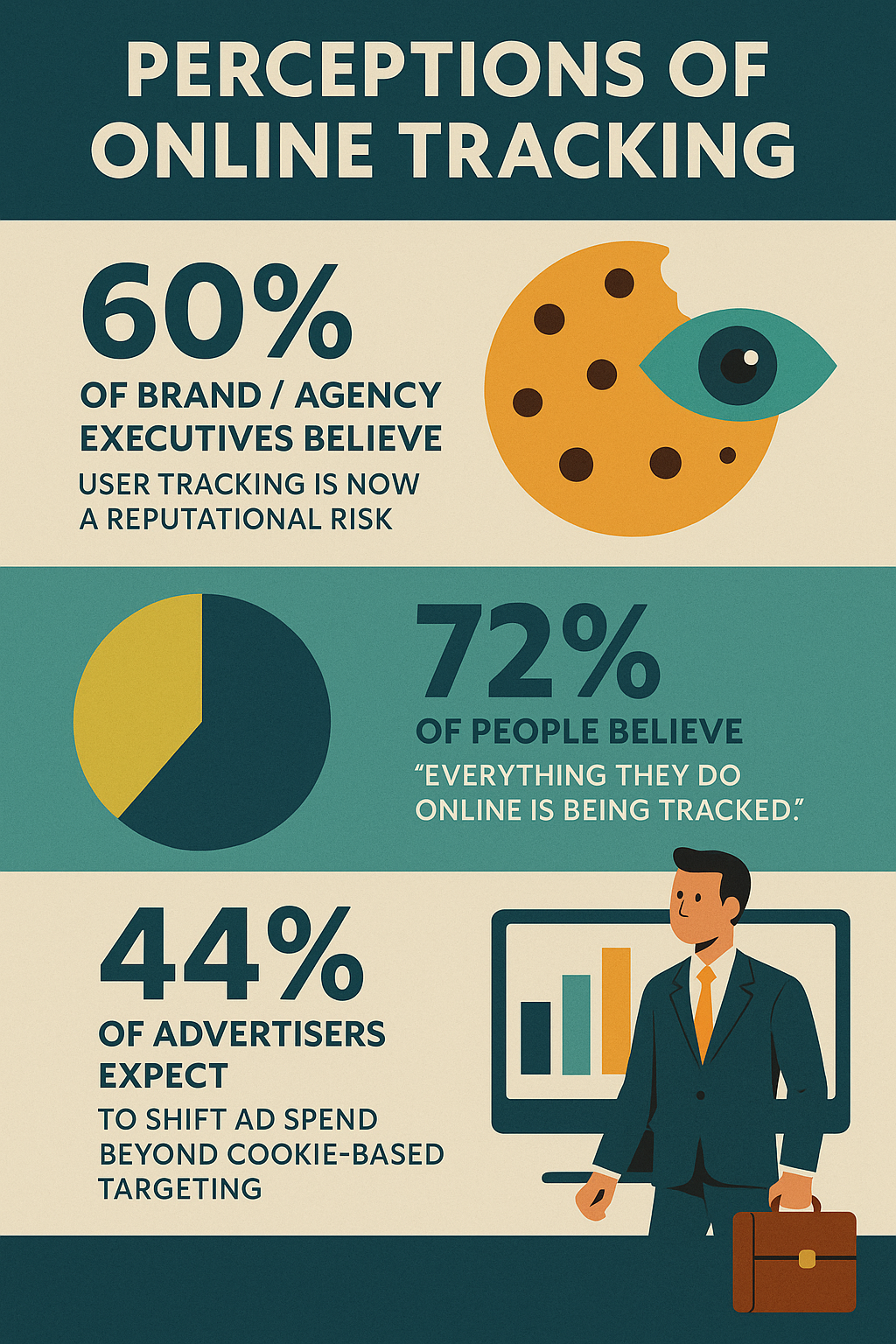
The Importance of Adapting to Cookieless Advertising in 2025
The move towards cookieless advertising is crucial for several reasons:
- Maximized ROI: Accurate data leads to better optimization and higher returns.
- Compliance Confidence: Stay compliant with regulations like GDPR, CCPA, and other privacy laws.
- Consumer Trust: Transparency builds long-term brand loyalty.
- Reduced Waste: Contextual and content-driven ads perform better than blind retargeting.
- Future-Proofing: Early adoption ensures smoother adaptation when third-party cookies disappear completely.
Marketing Strategies for a Cookieless Era
To thrive in a cookieless world, advertisers and marketers need to focus on several key areas:
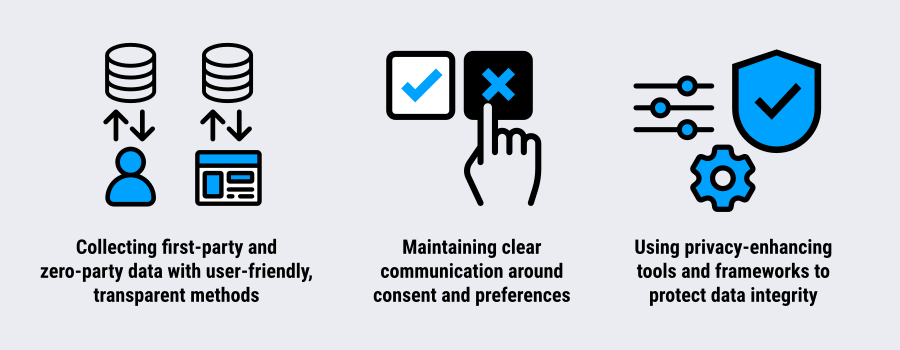
- First-Party Data: Prioritize collecting data directly from customers through various means such as loyalty programs, direct registration, and interactive content. GrackerAI can help you manage and activate this data effectively.
- Contextual Targeting: Align ads with relevant content and environments rather than relying on user history.
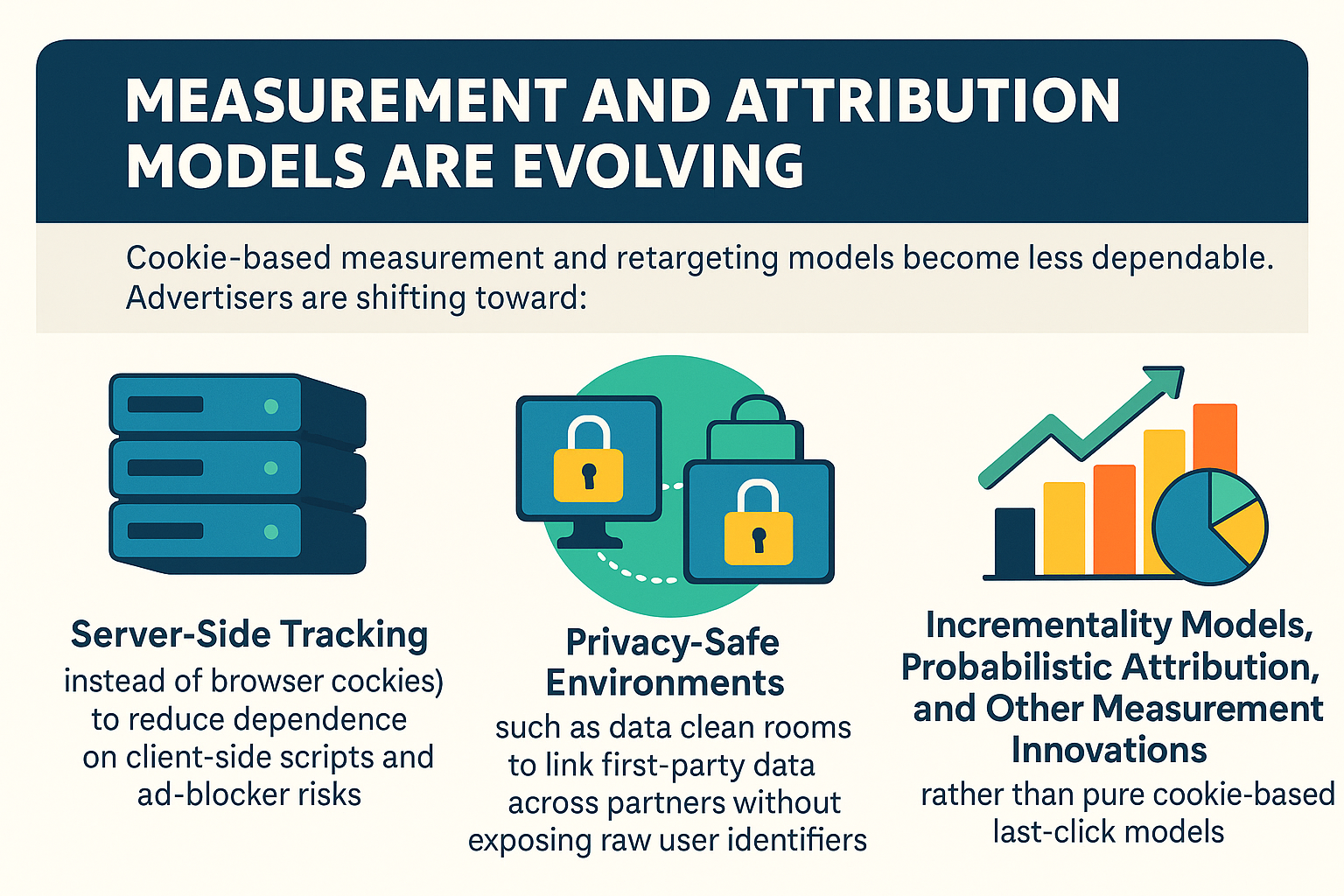
- Measurement and Attribution: Adopt server-side tracking, privacy-safe environments like data clean rooms, and incrementality models.
Key Actions for Advertisers and Marketers
To navigate the cookieless landscape effectively, consider the following:
- Audit Dependencies: Map all campaigns, tools, and platforms to identify areas reliant on third-party cookies.
- Bolster First-Party Data Collection: Create value for users to encourage opt-ins through loyalty programs and direct registration.
- Diversify Targeting: Invest in contextual targeting, search advertising, and native ad formats.
- Rebuild Measurement: Implement server-side tracking and explore data clean rooms for secure data matching.
- Emphasize Privacy: Communicate clearly with users about data usage and provide opt-out options.
The Role of Programmatic Advertising
Programmatic advertising is adapting by shifting from audience tracking to content intelligence. Algorithms now analyze page context, user intent, and engagement signals in real-time. GrackerAI offers content-driven programmatic solutions that ensure high engagement and strong performance.
Cookieless Tracking Solutions
Implementing cookieless tracking solutions involves prioritizing consent, transparency, and secure data handling. These solutions are built around consent-first frameworks, ensuring data collection is legally compliant and ethically sound.
- Server-Side Tagging: Shifts data processing from the user’s browser to secure, cloud-based servers.
- Event-Based Measurement: Focuses on tracking meaningful user interactions within your digital properties.
- Integration with CMPs and CDPs: Consent Management Platforms (CMPs) manage permissions, while Customer Data Platforms (CDPs) centralize consented user data.
Cookieless Attribution and Measurement
Effective campaign measurement in a cookieless future demands new attribution models. Predictive modeling, conversion modeling, and media mix modeling (MMM) offer alternatives to traditional multi-touch models. GrackerAI can help you implement these advanced measurement techniques.
- Predictive Modeling: Uses machine learning algorithms to analyze patterns in available data and forecast likely user behaviors and conversions.
- Conversion Modeling: Estimates conversions that cannot be directly observed using privacy-safe signals.
- Media Mix Modeling (MMM): Evaluates the impact of various marketing channels based on aggregated data.
Advertising in a Cookieless World
Cookieless advertising options include contextual advertising, identity solutions, and cohort-based targeting. As targeting methods shift, advertisers need to rethink their creative strategies and focus on messaging that fits naturally within the surrounding content.
- Contextual Advertising: Uses the content of a web page to determine ad placement.
- Identity Solutions: Technologies like Unified ID 2.0 and platforms such as LiveRamp use encrypted, email-based identifiers.
- Cohort-Based Targeting: Groups users based on shared interests rather than individual behavior.
Aligning Marketing and Privacy Teams
To thrive in a cookieless future, marketing teams need to embrace Privacy-Led Marketing strategies and technologies. Data privacy compliance must be integrated into campaign planning, technology selection, and performance reporting.
Ready to adapt to the cookieless future? GrackerAI automates your cybersecurity marketing: daily news, SEO-optimized blogs, AI copilot, newsletters & more. Start your FREE trial today!