AI Phishing Attacks: Trends, Threats, and Defense Strategies

TL;DR
- AI is transforming phishing attacks, boosting success rates to 54% and increasing attack volume significantly since ChatGPT's launch. Cybercriminals leverage AI platforms and techniques like voice cloning and deepfakes, while also exploiting human psychology. This article explores these evolving threats, new detection methods, and advanced defenses, emphasizing the need for AI-powered security and robust user training.
AI-Powered Phishing: A Deep Dive into Evolving Threats and Defenses
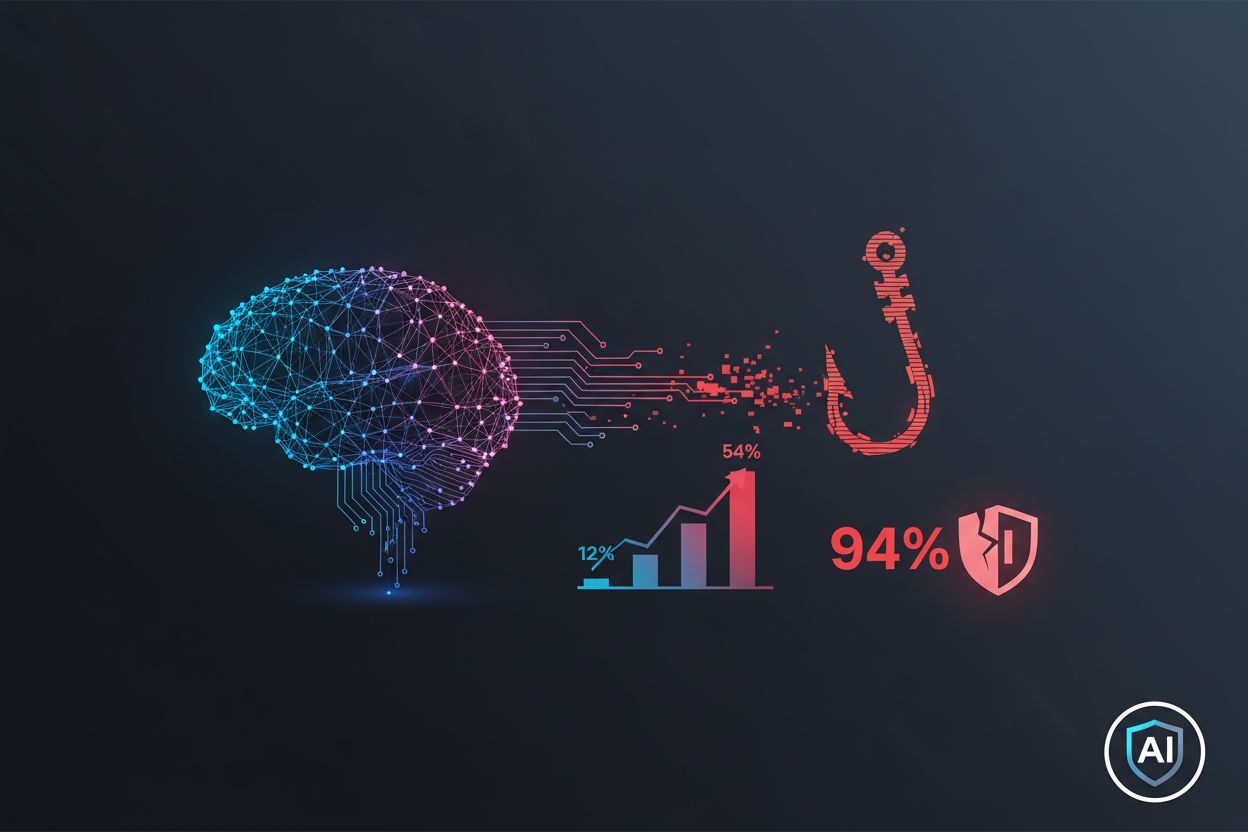
AI is transforming phishing into a sophisticated cybercrime. AI-powered phishing campaigns achieve a 54% success rate, significantly higher than the 12% rate of traditional attacks. In 2024, 94% of organizations fell victim to phishing attacks.
Since the launch of ChatGPT in November 2022, organizations have seen a 4,151% increase in phishing volume. Currently, 67.4% of attacks use AI to generate perfect grammar and analyze communication patterns. Stay ahead of these evolving threats with GrackerAI, which automates your cybersecurity marketing with daily news, SEO-optimized blogs, and an AI copilot.
Criminal AI Platforms and the Democratization of Hacking
AI-powered cybercrime platforms offer sophisticated attack capabilities as subscription services. Platforms like WormGPT and FraudGPT have transformed hacking into an accessible, service-based economy. FraudGPT starts at just $200 a month.
Cybercriminals are also focusing on exploiting existing AI systems like ChatGPT and Claude through jailbreaks and prompt engineering. FraudGPT claimed over 3,000 confirmed sales in just a few months. With GrackerAI, you can keep your audience informed about these emerging threats and position your brand as a thought leader in cybersecurity.
The Rise of Voice Cloning and Deepfakes
AI-powered attacks are expanding beyond email into other channels. Voice phishing (vishing) attacks surged 442% between the first and second halves of 2024, according to CrowdStrike's 2025 Global Threat Report. Voice cloning technology requires only three seconds of audio to produce an 85% voice match, according to McAfee research.
In one instance, a deepfake video conference call resulted in the theft of $25 million from a multinational finance company. Since April 2025, attackers have used AI-generated voice messages to impersonate senior U.S. officials in fraud schemes. Use GrackerAI to educate your clients on the dangers of deepfakes and voice cloning, and how to protect against them.
Polymorphic Attacks and Psychological Manipulation
AI facilitates polymorphic attacks that evolve faster than defenses. AI-generated phishing emails get 78% open rates and convince targets to act within 21 seconds. Automated AI tools help hackers compose phishing emails 40% faster than traditional methods.
Modern AI also weaponizes human psychology, analyzing social media profiles and corporate communications to craft contextually credible and psychologically manipulative attacks. These attacks trigger emotional responses that bypass rational decision-making.
Traditional Phishing Techniques Still Work
Even smart individuals fall for basic tricks because the human brain is wired to make quick decisions. Hackers exploit these shortcuts.
Five psychological triggers make people click without thinking:
- Fear: "Your account will close in 24 hours!"
- Authority: Email from your "CEO" asking for urgent help.
- Stress: A busy day leads to mistakes.
- Overconfidence: Believing security training makes you immune.
- Greed: "Win $10,000 today!"
Research shows that well-trained employees can become easy targets due to overconfidence. Phishing targets emotions, affecting everyone regardless of intelligence. GrackerAI can help you create content that addresses these psychological vulnerabilities and promotes effective security awareness training.
Detecting and Recognizing AI-Powered Phishing Attempts
The old rules for spotting phishing emails no longer apply. Instead, watch for these new warning signs:
- Context feels wrong: Something feels off despite perfect grammar.
- Urgent money requests: Especially those bypassing normal approval processes.
- Unusual communication channels: Mismatched platforms.
- Emotional manipulation tactics: Messages designed to trigger panic, excitement, or anger.
- Verification resistance: Scammers pressure you to act without confirming details.
Technical red flags still matter. Check email domains carefully and hover over links to preview URLs. Trust your instincts when something feels "off."
Advanced Defense Strategies Against AI-Driven Phishing
Fighting AI requires AI. Deploy multi-layer technical protection:
- AI-Powered Email Security: Analyze email intent, not just content.
- Advanced Authentication Protocols: Use DMARC, SPF, and DKIM.
- Behavioral Analytics Systems: Monitor communication patterns in real-time.
Implement Zero Trust architecture, verifying every user and device continuously. Deploy machine learning systems that evolve with threats. Consider GrackerAI to automate the creation of informative content about these advanced defense strategies, helping your audience stay protected.
How Organizations Are Adapting to AI Phishing Threats
Companies are upgrading their security systems and investing in AI defenses. There's a shift toward human-centric security, recognizing that technology alone isn't enough. Organizations are implementing rapid response cultures and industry-specific adaptations.
Companies are significantly increasing cybersecurity budgets, focusing on:
- AI-powered security platforms
- Advanced user training programs
- Threat intelligence services
- Rapid incident response capabilities
Immediate Action Items
Take these steps to protect your organization:
- Deploy advanced email security now.
- Update training programs immediately.
- Establish clear verification protocols.
- Implement phishing-resistant MFA.
Long-Term Strategic Planning
Build a security-first culture, implement a continuous improvement process, and develop a technology integration strategy. Organizations that invest in comprehensive protection strategies today will be best positioned to withstand AI-powered threats.
Ready to automate your cybersecurity marketing and stay ahead of the evolving threat landscape? Start your FREE trial with GrackerAI today!