Why Cybersecurity Product Videos Need to Be Built for AI Search, Not Just Views


TL;DR
- This article explores the shifting landscape of B2B search, where AI-powered engines are replacing traditional keyword results. It outlines a strategic framework for creating cybersecurity product videos that provide structured, data-rich information which AI models can easily crawl and cite. By moving away from vanity metrics and focusing on technical clarity, brands can position their solutions as authoritative answers within the new AI search ecosystem.
Cybersecurity buyers rarely move in a straight line.
They hear about a risk from one place, see a vendor name somewhere else, ask a peer, read documentation, compare alternatives, and now, more often, ask an AI tool to explain the category before they ever speak with sales. By the time they book a demo, they may already have a shortlist.
That creates an awkward problem for security marketers: the best product in the market can still be misunderstood if the buyer cannot explain it back to their team.
A firewall vendor, identity platform, cloud security tool, or compliance automation product may have a strong landing page and a solid demo. But if the message is buried in jargon, the buyer still has to do too much work. And in a self-guided buying journey, that work often happens without you in the room.
Gartner reported in 2025 that 61% of B2B buyers prefer a rep-free buying experience, with many buyers doing independent research through digital channels before engaging sales (Gartner, 2025). For cybersecurity companies, that matters. Buyers want information that is clear, credible, and easy to validate.
This is where short product videos can help, but only if they are built with the full discovery journey in mind.
A Video Should Answer One Buyer Question
Many cybersecurity videos try to do too much. They open with a vague market problem, list every feature, add a few dashboard shots, and end with “book a demo.”
That is not how buyers research.
A better video starts with one real question:
“How does this reduce alert fatigue?”
“What happens after a phishing report is submitted?”
“How does this fit into our existing SIEM?”
“What does deployment look like in the first 30 days?”
“How does the product help with software supply chain risk?”
Each question can become a short explainer.
For example, a cloud security company might create a 90-second video titled:
“How misconfigured storage buckets become data exposure risks.”
That is more useful than a general brand video because it gives the buyer language they can reuse internally. A security manager can send it to a colleague. A founder can use it to brief the board. A marketer can turn it into a blog section, FAQ, LinkedIn post, and sales follow-up.
That is the real value. The video is not just content. It becomes a reusable explanation.
Make the Video Useful to AI Engines Too
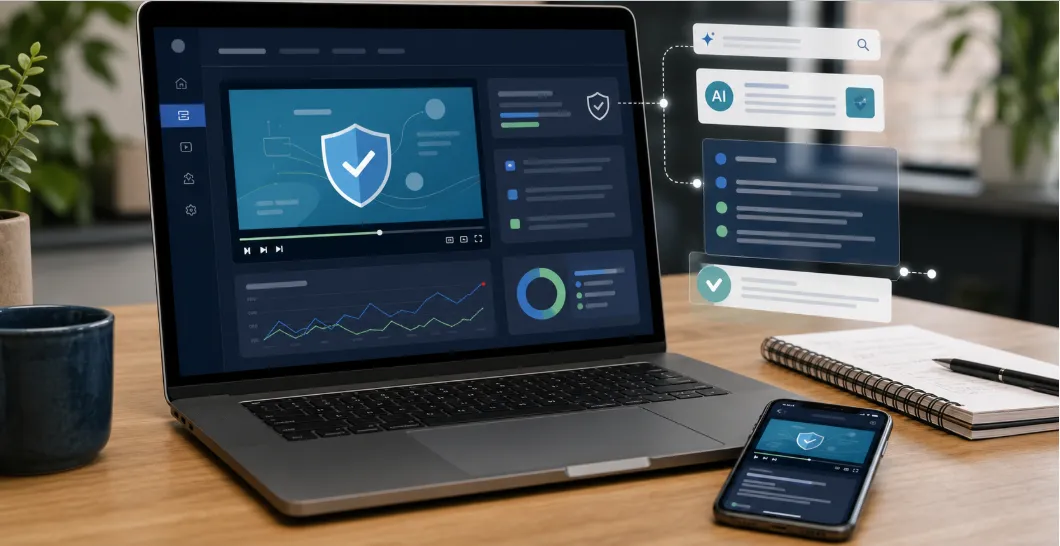
A product video can support that process, but only when it has enough text and context around it. In other words, uploading a video alone is not enough.
A better page includes:
a clear video title based on a buyer question,
a short written summary,
a full transcript,
FAQ sections,
product screenshots or workflow notes,
internal links to relevant product pages,
and source-backed claims where appropriate.
This gives human buyers a cleaner experience and gives AI systems more context to understand what the page is about.
Where AI Video Actually Helps Lean Teams
Most cybersecurity marketing teams do not have unlimited video resources. The product team is busy. Sales wants more enablement content. Leadership wants pipeline impact. The website always needs updates.
That is why the best use of AI video is not “make more videos.” It is “turn high-value explanations into usable assets faster.”
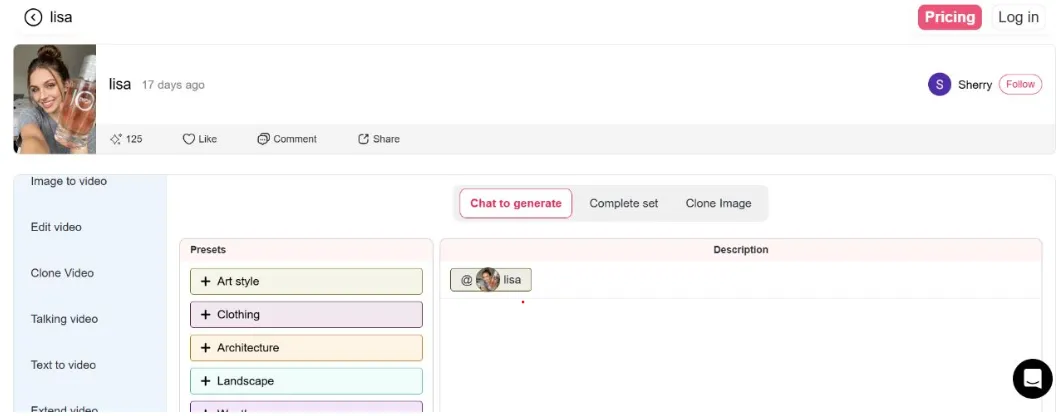
For lean SaaS teams, an AI UGC video generator can help turn a short script into a presenter-style explainer without booking a studio or waiting weeks for production. That can be useful for simple product education, webinar promotion, feature explainers, or retargeting clips.
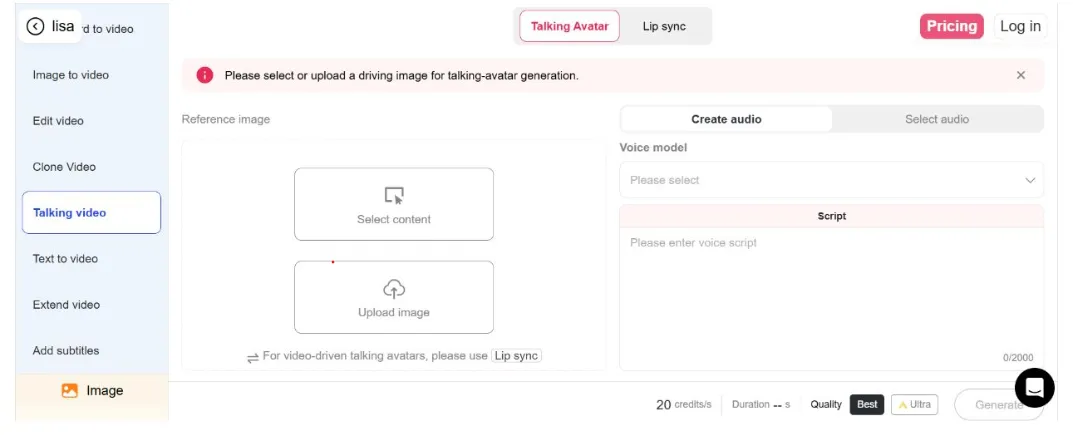
A practical workflow might look like this:
Pick one high-intent page, such as an integration, comparison, or use-case page.
Find one buyer question the page should answer.
Write a 120-180 word script in plain language.
Create a short video based on that script.
Add captions and a transcript.
Publish it with supporting written content.
Track engagement, demo clicks, and whether the topic starts appearing in AI search answers.
The important part is restraint. A 75-second clear explainer is usually better than a polished three-minute video that says everything and nothing.
Localization Should Follow Demand, Not Ambition
Lip sync and dubbing are useful, but this is where the original idea often gets too broad. A cybersecurity company does not need to localize every video into ten languages just because the technology exists.
Start where the data points.
If a vendor already sees traffic from Germany, Brazil, or Japan, or if sales has active opportunities in those markets, then a localized video may be worth testing. A founder message, onboarding video, or product explainer can be adapted for regional campaigns.
When teams localize speaker-led content, Lip Sync AI can help translated videos feel more natural by aligning the speaker’s mouth movement with new audio. But the workflow still needs human review. Security claims, compliance language, and technical terms cannot be left unchecked.
CISA’s Secure by Design guidance is a useful reminder here: security buyers care about risk, accountability, and product practices, not just marketing polish (CISA, 2025). If the translation changes the meaning of a claim, the video may create more problems than it solves.
A Better Measurement Plan
Views are not enough.
For cybersecurity marketers, better video metrics include:
Did visitors spend more time on the page?
Did the page generate more demo clicks?
Did sales use the video in follow-ups?
Did prospects mention the explanation on calls?
Did the transcript help the page rank for long-tail questions?
Did AI search tools begin citing or summarizing the page?
That last point matters for Gracker’s audience. If buyers are using AI tools to research software, then content needs to be clear enough for both people and machines to interpret.
Final Thought
AI video is not a magic growth channel for cybersecurity companies.
Used badly, it becomes another generic asset. Used well, it helps explain complex products in a format buyers can understand, share, and revisit. The goal is not to look more futuristic. The goal is to make the buying journey less confusing.
For security and B2B SaaS teams, the best starting point is simple: take one important buyer question, answer it clearly, turn it into a short video, and support it with the written context AI search engines need.
That is how video becomes more than content. It becomes part of the discovery system.
Sources
Gartner, 2025: B2B buyers prefer rep-free buying experience
CISA, 2025: Product Security Bad Practices guidance