Cybersecurity Threats: Salt Typhoon and CL-STA-0048

Salt Typhoon Targeting Cisco Devices
China’s Salt Typhoon campaign has been actively breaching telecommunications companies, with researchers identifying attempts to compromise over 1,000 Cisco network devices globally. This includes targeting organizations in the U.S., South Africa, Italy, and Thailand. The group seems to have created a list of target devices based on their association with telecom networks. In December alone, the Insikt Group observed the hackers conducting reconnaissance on various IP addresses. 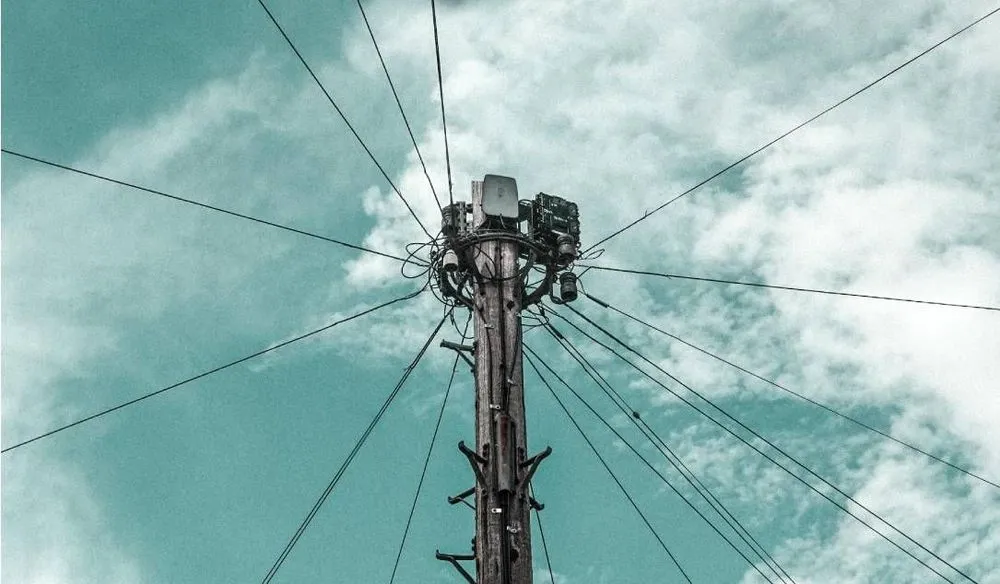
Vulnerabilities Exploited by Salt Typhoon
Salt Typhoon employs sophisticated tactics to exploit known vulnerabilities, which are crucial for gaining initial access to victim networks. The group has targeted the telecommunications sector extensively. The known CVEs exploited include CVE-2021-26855 (Microsoft Exchange) and CVE-2022-3236 (Sophos Firewall). 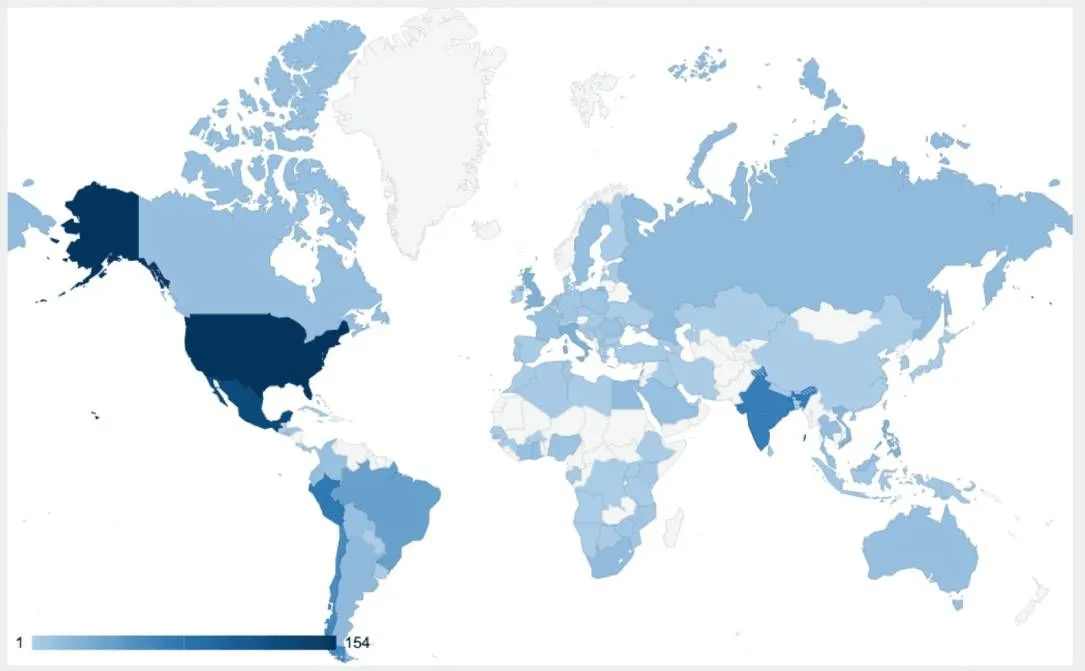
CL-STA-0048: Espionage in South Asia
The CL-STA-0048 espionage campaign has been identified as targeting high-value entities in South Asia, using advanced techniques like DNS exfiltration. This operation aimed to steal personal information from government employees and sensitive data from telecommunications organizations. The threat actors exploited vulnerabilities across various services, including IIS, Apache Tomcat, and MSSQL. They demonstrated a methodical approach by targeting public-facing servers and using rare tools for data exfiltration. Such activities underscore the necessity for organizations to prioritize patching and adhere to best practices in IT hygiene. 
Techniques and Tools Used by CL-STA-0048
The campaign utilized the PlugX backdoor, a well-known remote access tool, to maintain persistent access. The attackers employed a method known as Hex Staging to deliver payloads in chunks, resulting in a complex infiltration process. The usage of tools like PowerShell for reconnaissance and the SQLcmd utility for data theft exemplifies the sophistication of the group. Their activities highlight the urgent need for robust cybersecurity measures to defend against such advanced persistent threats.
Telecom Breaches Aren't Limited to Nation-State Network Intrusion
Salt Typhoon shows how attackers compromise telecom infrastructure directly, but carrier breaches don't require a nation-state actor to be damaging. SK Telecom's 2025 USIM breach exposed subscriber authentication data at a single carrier and still forced a nationwide free-SIM-replacement program covering millions of customers — a reminder that the telecom sector's exposure runs from state-sponsored espionage down to single-carrier data breaches, with a similar SIM-swapping and fraud risk on the other side of either one.
Enhancing Cybersecurity with GrackerAI
Organizations must remain vigilant against sophisticated threats like Salt Typhoon and CL-STA-0048. GrackerAI, an AI-powered cybersecurity marketing platform, helps organizations transform security news into strategic content opportunities. By leveraging GrackerAI, marketing teams can identify emerging trends, monitor threats, and produce content that resonates with cybersecurity professionals. For organizations looking to enhance their cybersecurity posture and marketing strategies, exploring the services offered by GrackerAI is essential. Visit GrackerAI to learn more or contact us for tailored solutions.
Salt Typhoon is one entry in a wider pattern of state-level and long-horizon threats security teams are being asked to plan around -- see China's quantum-resistant encryption strategy for another, and how CISOs can leverage threat intelligence to stay proactive for how to turn monitoring of campaigns like this one into an actual intelligence program rather than one-off reading. Telecom-sector risk also has a policy dimension: proposed reforms to Northern Border security staffing is a reminder that infrastructure exposure isn't only a technical problem.
![10 Best Local Rank Tracker Tools: In-Depth Comparison Guide [2025]](https://cdn.pseo.one/6abcb68a626591c40e1c8aa6/687e1c1ef6fe799d288518df/68809c373eb8562bcf68975d/10-best-local-rank-tracker-tools-comparison-guide/feature-image.jpg)