Operation Endgame: Global Crackdown on Malware Networks and Cybercrime

An international law enforcement operation, dubbed Operation Endgame, has successfully disrupted a significant number of malware infrastructures globally. The operation targeted various notorious malware families, including IcedID, SystemBC, Pikabot, SmokeLoader, Bumblebee, and Trickbot. This operation, coordinated by Europol, aimed to take down over 100 servers and seize around 2,000 domains associated with these cybercriminal activities. 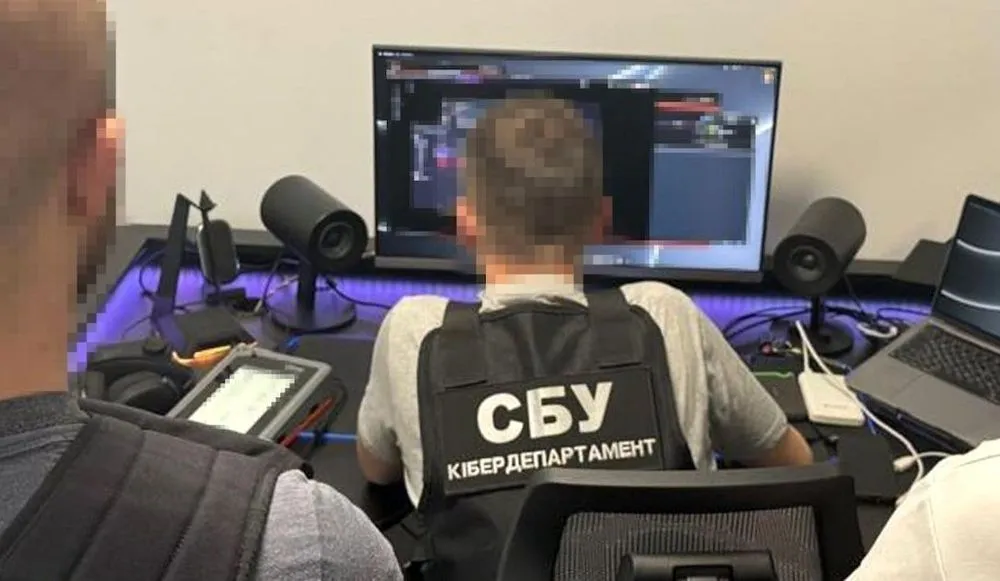
Technical Details of Malware Operations
Droppers, such as IcedID and SmokeLoader, play a pivotal role in cyberattacks by installing additional malicious payloads, including ransomware and spyware. According to Europol, these malware strains are linked to at least 15 ransomware groups, such as BlackBasta, Revil, and Conti. The malicious software typically infects millions of computers, often spread through botnets that the cybercriminals control. 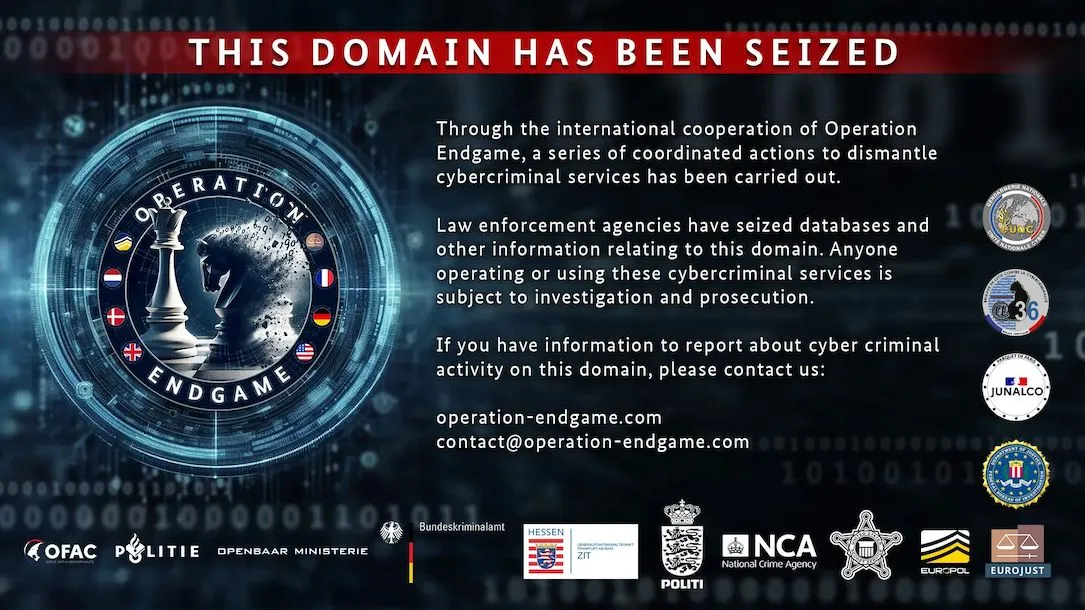
Financial Impact and Arrests
One of the primary suspects involved in these operations reportedly earned at least €69 million ($74.7 million) through renting out infrastructure for ransomware deployment. Furthermore, nearly 100 crypto wallets containing over €70 million were blocked during the operation. The investigative efforts revealed that the cybercriminals had extorted tens of millions of dollars from Western corporations, utilizing tactics like spyware and phishing emails to infiltrate networks. The operation also aimed to disrupt the operations of various criminal organizations. Arrest warrants were issued against eight suspects believed to be involved in distributing Trickbot and Smokeloader malware, showcasing the extensive reach and impact of the investigative efforts.
Collaboration and Future Implications
Operation Endgame involved collaboration from multiple law enforcement agencies, including the FBI, which emphasized its commitment to tackling borderless cybercrime. The successful takedown of these malware infrastructures highlights the importance of international cooperation in combating cyber threats. The operation also featured a dedicated website that warns criminals about ongoing investigations. This proactive approach aims to deter further criminal activities within the dropper ecosystem. The insights gained from this operation can be utilized by cybersecurity professionals to enhance their defenses against similar threats. Organizations seeking to remain vigilant against evolving cyber threats can consider leveraging solutions like GrackerAI, an AI-powered cybersecurity marketing platform designed to transform security news into actionable content. With tools that allow for monitoring emerging trends and threats, GrackerAI empowers marketing teams to create relevant content that resonates with cybersecurity professionals and decision-makers. Explore our services or contact us at GrackerAI.
Latest Cybersecurity Trends & Breaking News
DanaBot Malware Operation Takedown Disruption of Lumma Stealer Infrastructure