Why Email Deliverability Is Critical for Cybersecurity Outreach Campaigns

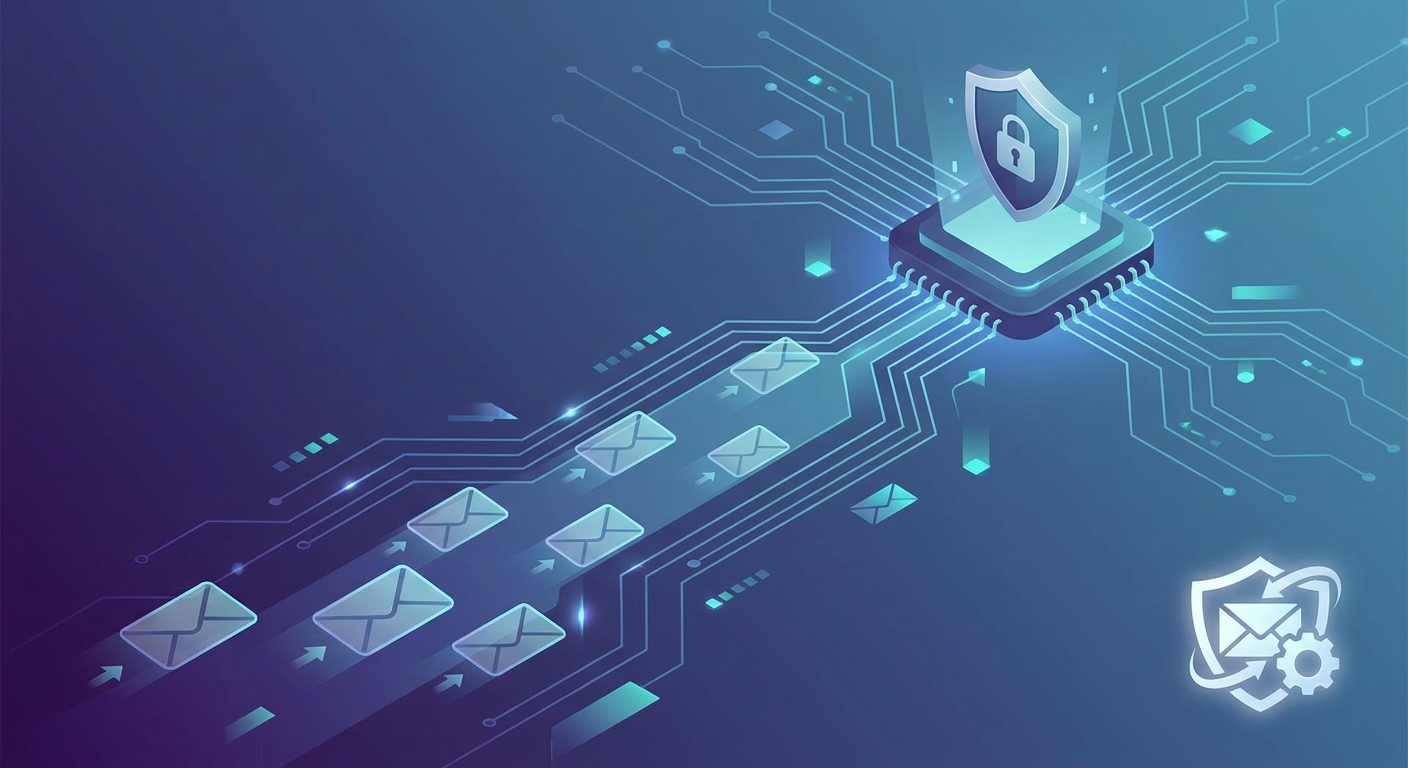
Security teams send emails constantly, and most of the time, no one questions whether those messages actually land where they should. Systems say “delivered,” dashboards look clean, and everything appears to be working.
But here is the uncomfortable part. Even critical security messages can fail to get to the inbox without anyone noticing. You start hearing things like, “I didn’t see that,” more often than expected.
That gap is usually less about content and more about placement. Emails are getting accepted by servers but slipping into spam folders or secondary tabs, where they are easy to miss.
Cybersecurity relies on email for too many critical tasks for you to ignore that gap. Whether it is a security alert or incident updates, it is all built on the assumption that messages will be seen. That is why email deliverability matters. If your emails are not reaching inboxes, your entire cybersecurity outreach effort starts to lose its impact.
The Role of Email in Cybersecurity Communication
Email usually ends up being the go-to, even in teams that have Slack, dashboards, and everything else.
When something goes wrong, it’s the first place people look. A suspicious login attempt. A detected breach. A system vulnerability that needs attention. These incident notifications and security alerts are time-sensitive messages. You expect people to read them quickly and act.
Then there are awareness campaigns. They don’t feel as urgent, but they carry long-term weight. You use them to teach how to spot phishing attempts, avoid risky behavior, and follow best practices. These emails build recognition. People start noticing patterns, questioning things they might have ignored before.
Newsletters and updates, on the other hand, help you stay connected with your audience. They keep security on people’s radar. Without them, security only comes up when there’s a problem.
Email works because it’s direct. It reaches people directly. No extra platforms. No complicated setup or algorithm. But it only works if the message lands where it should. That depends entirely on deliverability.
What Is Email Deliverability and Why Does It Matter?
Email deliverability is often misunderstood, mostly because the word “delivered” sounds final. It is not.
Deliverability here refers to your ability to land messages in the inbox instead of the spam folder. An email can be marked as delivered, but still be filtered into spam or promotions. From a technical standpoint, it arrived. From a human standpoint, it was never seen.
This matters more in cybersecurity than in most other areas. If a marketing email is ignored, you lose some engagement. Not ideal, but manageable. If a security alert gets missed, you might delay a response to an active threat.
Picture this. A phishing email is circulating inside your organization. You send out a warning. Half your users never see it because it lands in spam. The attack does not need to be sophisticated at that point. The risk does not come from the threat alone. It is also in communicating the threat.
Risks of Poor Deliverability in Cybersecurity Campaigns
When deliverability starts slipping, the effects show up in small ways first. Then they build.
Missed alerts are the most obvious problem. If users do not see warnings, they cannot respond. Something as simple as ignoring a login alert can turn into a larger incident.
Reduced awareness campaign effectiveness is another issue. You might spend weeks planning a training sequence, only for most of your emails to go unseen. That creates a false sense of coverage. You assume people were informed. In reality, they were not.
Over time, that leads to increased exposure. Users who are not consistently informed are easier targets. They miss signs they should recognize. That gap is where attackers tend to find opportunities.
Damage to trust and credibility is harder to measure, but it is also an important issue. If your emails keep landing in spam or arriving late, people start paying less attention to them. Even when a message does get through, it may not be taken seriously.
Key Deliverability Challenges in Cybersecurity Emails
Cybersecurity emails face unique challenges that can hurt deliverability if you are not careful.
One is volume. During an incident, you may send multiple messages within a short time. That shift can look unusual to email providers, especially if your normal activity is lower.
Another is engagement. Security emails are not designed to spark conversation. People rarely reply, and they do not always click links. Over time, that can make your messages look less valuable from a filtering perspective. That is part of why cybersecurity teams increasingly pair deliverability work with a broader demand generation vs. lead generation strategy, rather than treating email as a channel that has to carry engagement on its own.
Content adds another layer. It is not about specific words as much as patterns. Repetitive structure, constant urgency, similar formatting. These things can contribute to filtering without being obvious triggers.
Then there is sender history. A new domain or an address that has not been used much does not carry much trust. Early campaigns from those sources often struggle more. That lack of reputation can push your messages out of the inbox.
Why Sender Reputation Matters for Security Communications?
Sender reputation is basically how much email providers trust you, and that trust builds slowly.
They watch what happens after you send a message. Do people open it? Ignore it? Mark it as spam? Those small actions stack up. If things look good, your emails land in the inbox. If not, they start getting filtered out or pushed somewhere less visible.
And once it dips, fixing it takes time. You don’t just reset it. That’s why deliverability needs constant attention, not a one-time check.
The Role of Warm-Up in Cybersecurity Email Campaigns
It’s easy to overlook warm-up. At the start, everything seems fine without it. The issue shows up later. If you go from zero to a high sending volume, it can look suspicious. It’s better to ramp up slowly so the activity looks normal.
It’s especially noticeable with new campaigns. For example, launching a security awareness program from a cold domain can lead to poor inbox placement early on. Taking time to warm things up helps those first emails actually reach people.
An email warmup tool can help create that gradual buildup by simulating consistent interactions. It helps build a sending history that looks consistent and trustworthy.
Using Tools to Improve and Monitor Deliverability
You cannot manage what you do not track. You need actual visibility into what is happening after emails are sent.
An email deliverability tool gives you a clearer view of what is happening after emails are sent. Not just whether they were accepted, but where they ended up and how people interacted with them.
Sometimes everything looks fine until you dig deeper. Delivery rates might be high, but open rates stay low. That usually means emails are not reaching the inbox. They are technically delivered, just not visible.
Bounce rates highlight something else. If they start creeping up, it may mean your contact list needs attention. Spam complaints also reveal how your emails are being perceived, which is just as important.
Patterns matter more than single results when it comes to email campaigns. One campaign underperforming does not mean much. A trend across several campaigns usually does.
Best Practices for Cybersecurity Email Deliverability
Maintain Consistent Sending Patterns
When emails go out at a steady pace, they are less likely to be flagged as unusual. The challenge is that cybersecurity work is not always steady. Incidents create spikes. You cannot avoid that, but you can balance it. Regular communication during quieter periods helps build a baseline. Over time, that baseline makes sudden increases look less suspicious.
Authenticate Emails Properly
When SPF, DKIM, and DMARC are configured correctly, they confirm that your emails are legitimate. Without them, your messages may face more scrutiny or fail. In a security context, this matters even more. Attackers often try to imitate trusted domains. Proper authentication reduces that risk while improving deliverability.
Optimize Email Content
Content shapes how both filters and people respond to your emails. Security messages often need to be direct, but too much urgency can have the opposite effect. Repetition, exaggerated phrasing, or overly similar structures can reduce effectiveness. Clear subject lines tend to perform better. Straightforward instructions help readers act quickly.
You also do not need high engagement numbers, but consistent interaction over time supports better placement. Small adjustments in tone and structure can make a noticeable difference.
Segment and Target Audiences
Not every message needs to reach everyone. Broad emails often get ignored because they are not relevant to every recipient. Segmenting your audience helps you send more targeted information. When people receive messages that apply to them, they are more likely to pay attention. That engagement feeds back into how your emails are handled in the future. The same segmentation logic drives most cybersecurity B2B lead-generation work - broad, generic outreach converts worse than messages built around a specific buyer segment.
Test Emails Before Sending
Testing does not take much time, but it prevents avoidable issues. Before sending, check how your email looks across different inboxes. Make sure links work, and formatting holds up. Some tools also give an idea of where your email might land. This matters more for critical messages.
Conclusion
Cybersecurity communication depends on timing and visibility. It depends on whether that information is seen at the right time.
Deliverability shapes how consistently your messages reach people and how they respond when they do. It influences awareness, timing, and trust, all at once. Treating it as part of your overall approach makes your communication more reliable.
Because in the end, sending the email is only the first step. What matters is whether it reaches the inbox and leads to action. That same principle underpins a full-funnel cybersecurity marketing strategy more broadly - deliverability is necessary, but it only pays off when the message and the audience are matched in the first place.
![10 Best Local Rank Tracker Tools: In-Depth Comparison Guide [2025]](https://cdn.pseo.one/6abcb68a626591c40e1c8aa6/687e1c1ef6fe799d288518df/68809c373eb8562bcf68975d/10-best-local-rank-tracker-tools-comparison-guide/feature-image.jpg)