Why Brand Mentions in ChatGPT and Perplexity Matter for Demand Generation

Pratham Panchariya · Software Developer
· Updated September 19, 2026

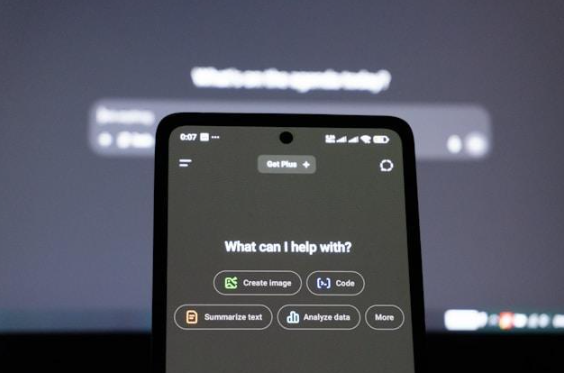
Buyers have started moving away from search results, ads, review sites, and vendor pages as their first stop. Many now ask ChatGPT, Perplexity, Gemini, Claude, and other AI tools to explain categories, compare products, summarize reviews, or recommend vendors. When a brand appears in those answers, it can enter the buyer’s thinking before the first website visit — which is exactly why AI mentions belong in a demand generation plan, not just a brand-tracking spreadsheet.
This pattern shows up across many kinds of searches: which passwordless login tool fits a developer-led startup, which cloud security platform handles multi-cloud workloads, which cybersecurity vendor is best for a mid-market SOC. The topic changes, but the behavior is similar. The buyer asks a detailed question, gets a short answer, and often treats the named brands as the first shortlist. A mention in ChatGPT or Perplexity often appears inside advice, comparison, or a direct recommendation — and for demand generation teams, that matters because the buyer may already be problem-aware and actively comparing options.
AI Mentions Shape the First Shortlist
Demand generation works best when a brand appears while buyers are still defining the problem. Traditional SEO helps teams win clicks, but AI search often compresses discovery into a single answer. A buyer might ask which endpoint security tools fit a mid-market company or which authentication platform is easiest for developers to implement.
The answer may name only a few products, describe their strengths, and suggest who each one fits. That shortlist can guide the next click, the next internal discussion, or the next demo request. If a brand is missing from it, there is usually no visible warning — pipeline just gets quieter without an obvious cause. Understanding how AI engines choose what to cite is the first step toward showing up on that shortlist instead of wondering why a competitor did.
ChatGPT and Perplexity Affect Demand Differently
ChatGPT and Perplexity both influence discovery, but they do it in different ways, so a demand generation plan needs a different play for each.
ChatGPT Shapes Early-Stage Buying Criteria
ChatGPT is often used when buyers want help thinking through a problem. They may ask it to explain a category, compare options, prepare questions for vendors, or understand which features matter before they talk to sales. This makes ChatGPT especially important at the education stage, while buyers are still shaping their view of the market and what “good” looks like. A weak or missing answer here can lock in buying criteria that quietly exclude a brand before a rep is ever involved.
Perplexity Builds Trust Through Citations
Perplexity is more research-focused. Many users go there for cited answers, recent information, and a quick scan of several sources. A strong presence in Perplexity shows that a brand has public proof that is easy to find and easy to reference — the same evidence trail that underpins generative engine optimization more broadly.
For demand generation teams, that split creates two different priorities:
- ChatGPT visibility helps shape early opinions and buying criteria.
- Perplexity visibility supports trust through sources and citations.
- Both tools can influence which brands enter the first shortlist.
- Weak or missing mentions give competitors more room to define the category.
Mention Quality Matters More Than Mention Count
A brand mention only helps when it builds confidence. Some AI answers include a company name but frame it weakly — describing the brand as limited, unclear, less proven, or suitable only for a narrow use case. That kind of mention can reduce trust instead of creating demand, which is why counting mentions alone is a poor proxy for pipeline impact.
Six Signals Worth Tracking
Teams should review each mention against practical signals rather than a single visibility score:
- Presence — the brand appears for high-intent buyer questions.
- Position — the brand is named early rather than near the end of the answer.
- Context — the AI connects the brand to the right use cases.
- Sentiment — the wording sounds confident rather than cautious.
- Sources — the answer relies on credible, current evidence.
- Competitors — rivals aren’t receiving clearer, more confident descriptions in the same answer.
A brand can appear often and still lose attention if competitors receive stronger context and better proof. Our guide to the tools that check ChatGPT brand mentions breaks down which platforms actually track position and sentiment instead of a raw mention count.
AI Answers Expose Positioning Problems
AI tools often surface confusion a market already has about a brand. If a website, reviews, partner pages, comparison content, and third-party mentions describe a company in different ways, AI answers become inconsistent — the brand might land in the wrong category or get a vague description.
Buyers need a clear reason to remember and consider a brand. If an AI answer can’t explain who a product serves, what problem it solves, and how it differs from alternatives, the buyer has little reason to keep researching. Testing prompts that mirror real buying questions — “which tools are best for X,” “how does this compare to a leading competitor” — is a fast way to find weak category language, outdated proof, thin comparison pages, or missing third-party validation before a prospect does.
Stronger Evidence Leads to Better Mentions
Clear website copy helps, but it rarely solves the whole problem on its own. AI engines also draw from reviews, documentation, trusted articles, customer stories, comparison pages, forums, partner listings, and other public sources. Better demand generation now requires a stronger evidence base around the claims a team already makes.
Product marketing should make positioning clear across public pages. Content teams should answer real buyer questions with specific material. PR and partnerships can help build credible third-party references. Sales can share the doubts and comparisons prospects bring into calls.
A Simple Monthly Workflow
- Choose the prompts most likely to influence pipeline.
- Track where the brand appears — and where it doesn’t.
- Compare wording and positioning against competitors.
- Update weak or outdated public evidence.
- Repeat the review monthly or after major launches.
A dedicated AI visibility tracker removes the manual prompt-testing step from this loop, which is usually where the workflow breaks down under a busy content calendar.
Tracking the mention is only half the workflow — the other half is giving that mention somewhere to go. How to turn ChatGPT/Perplexity mentions into a Telegram lead list covers the specific mechanics of routing an AI-referred click into a capturable lead instead of a bounce.
Negative Mentions Can Quietly Lower Demand
The hardest problem isn’t always absence — sometimes a brand appears, but the answer damages trust. AI tools may repeat old criticism, mention outdated limitations, or use cautious language while describing competitors with more confidence.
Traditional social listening doesn’t fully catch this. Social monitoring shows what people say on public platforms; AI sentiment shows how machines summarize a brand for users who ask direct questions. Demand teams should treat weak AI mentions as early warning signs: if the same concern appears across prompts, clarify the issue, publish stronger proof, update old content, and make current information easier to find.
Does an AI Mention Actually Move Pipeline?
Yes — buyer research now shows AI-chatbot mentions changing which vendor gets the deal, not just which vendor gets remembered. In a March 2026 survey of 1,076 B2B software buyers and decision-makers, 85% said they think more highly of a vendor when an AI chatbot includes them in an answer, and 69% said they chose a different vendor than they initially planned simply because it was part of the chatbot’s recommendation (G2, “The Answer Economy: How AI Search Is Rewiring B2B Software Buying,” March 2026, retrieved 2026-09-19). The same research found 51% of B2B software buyers now start their research with an AI chatbot more often than with Google.
That’s a direct line from AI mention to vendor selection, which is the pipeline argument demand generation teams need when justifying budget for AI visibility work over a quarter where “brand awareness” alone won’t clear a CFO’s bar. It also explains why a demand-gen strategy built around AI citations looks different from a traditional lead-gen motion — the AI answer is doing part of the qualifying work a form used to do.
How This Guide Was Sourced
This guide was written by GrackerAI’s content team, which builds AI search visibility tracking and AI-optimized content production for cybersecurity and B2B SaaS brands — disclosed here because it’s relevant background, not because it changes the analysis above. The buyer-behavior statistics are drawn from G2’s “The Answer Economy: How AI Search Is Rewiring B2B Software Buying” (March 2026, retrieved 2026-09-19). No GrackerAI-internal telemetry is used in this guide; every figure above is external and linked. AI answer engines change frequently, so treat the qualitative observations about ChatGPT and Perplexity behavior as a snapshot rather than a permanent description, and re-test your own prompts periodically.
Frequently Asked Questions
Why do brand mentions in ChatGPT and Perplexity matter for demand generation?
Because buyers increasingly treat the AI’s answer as their first shortlist. A brand named in that answer gets considered before a website visit or a form fill; a brand left out often loses the opportunity with no visible signal that it happened.
Does an AI-answer mention actually drive pipeline?
The available buyer-research data says yes: 85% of surveyed B2B buyers think more highly of a vendor an AI chatbot mentions, and 69% chose a different vendor than planned because of a chatbot recommendation (G2, retrieved 2026-09-19). That’s a measurable effect on vendor selection, not just recall.
How is this different from traditional brand awareness?
Brand awareness measures whether people recognize a name. AI mentions influence an active buying decision in the moment a buyer is comparing options — closer to the bottom of a shortlist exercise than to top-of-funnel recall.
Are ChatGPT and Perplexity mentions equally important?
They serve different stages. ChatGPT tends to shape early buying criteria and category understanding; Perplexity tends to reinforce trust through visible citations and sources. Most demand generation plans need both, not one instead of the other.
How can a team tell if an AI mention is helping or hurting?
Check presence, position, context, sentiment, sources, and how the brand compares to competitors in the same answer — not just whether the brand shows up. A mention with cautious or outdated wording can lower trust even though the brand technically appeared.
How often should a team re-check its AI-answer mentions?
Monthly is a reasonable baseline, with an extra check after any major launch, rebrand, or competitor announcement, since AI answers can shift as underlying sources change.
Conclusion
Brand mentions in ChatGPT and Perplexity matter because they influence demand before many standard tools can measure it. They shape shortlists, guide comparisons, and affect how buyers understand a company’s value. A strong mention can bring a brand into consideration early; a missing or weak one can send qualified demand toward competitors without leaving a clear trace — which is exactly why it belongs on a demand generation team’s dashboard, not just a brand team’s.
Related Articles
-
 cybersecurity content audit
 How to Audit Cybersecurity Content for Accuracy and Originality
Cybersecurity content with incorrect facts destroys confidence fast. Here's a practical audit framework for correctness and originality that preserves the credibility of your security publications.
-

10 Examples of SaaS Companies with Exceptional Marketing
Explore 10 SaaS marketing examples with actionable tactics. Learn innovative strategies from top companies to elevate your own campaigns.
-

How to Find the Right B2B Prospects for Your SaaS Product
Stop wasting sales outreach on leads that're not a good fit. Learn ways to find, check, and work with the right B2B prospects for your SaaS product.
-
 online reputation management
 The Importance of SEO in Online Reputation Management
Discover how SEO influences your digital brand. Learn actionable strategies to suppress negative search results and build a positive online reputation today.