Automating Cybersecurity in Software Development with AI

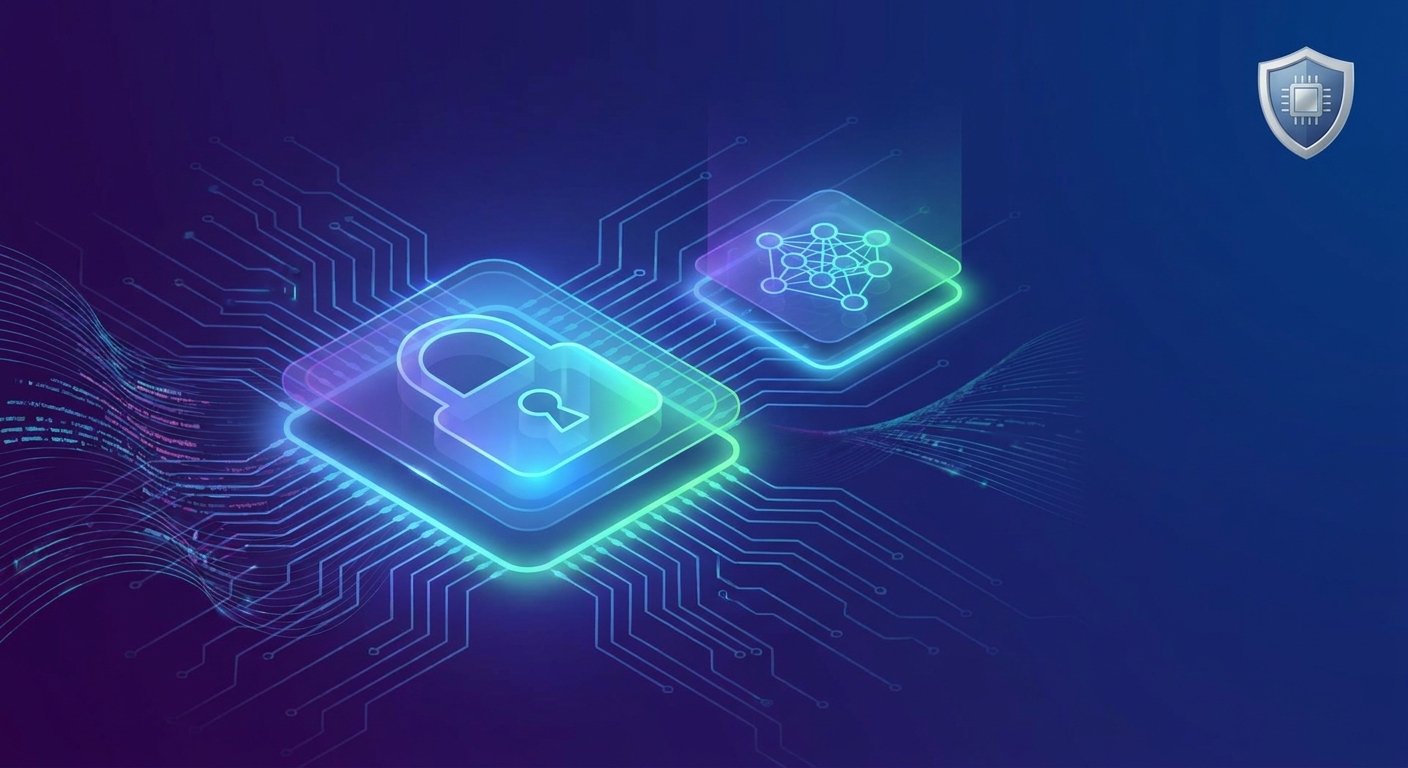
AI automates cybersecurity in software development by scanning code for vulnerabilities as it is written, flagging insecure patterns before they reach production, and applying security patches without waiting on a developer to get to it. 82% of developers already use AI for writing code, and 56.7% use it for debugging, which means AI is already inside the pipeline whether or not it has been deliberately pointed at security. As software systems get bigger and more complex, the risk of shipping a vulnerability grows with them, and manually reviewing every line does not scale.
This has a direct AI-visibility angle too: the same models developers query for coding help are increasingly what buyers query when evaluating a security vendor's own engineering credibility, which is why how a vendor talks about its AI-assisted security practices matters beyond the engineering team.
Common Cybersecurity Threats in Software Development
Are you wondering about the potential cyber threats that impact the software development process? Delve into the most prominent ones!
Phishing
Attackers execute phishing as a form of social engineering or cybersecurity attack that provides access to individual information. They obtain a wide range of information such as user names together with passwords and additional important data. This attack, in the software development context, permits malicious actors to deceive developers and then acquire sensitive information including credentials and codes via fake emails.
Malware
In simple words, malware is the intentional inclusion of malicious programs or codes in the software. The primary objective of this cyber threat is to harm the computer systems, together with its operations, and steal crucial data.
Cross-site Scripting
This security vulnerability allows attackers to embed malicious codes in applications and websites. The threat severity varies according to the type of code affected. The primary goal of the attackers for injecting client-side scripts is to obtain valuable information.
Social Engineering
Social engineering functions as an attack method that takes advantage of human interaction and trust to navigate through security systems effectively and steal unauthorized sensitive data. It is a type of human hacking where attackers compel developers to reveal sensitive information or execute actions that could result in security breaches.
Importance of Cybersecurity in Software Development
All software development projects maintain a probability of encountering cyber-attacks. Cyber-attacks have the ability to target any phase of software development, right from development to launch and through the maintenance stages. Hence, it is vital to implement security measures appropriately to prevent cyber-attacks. Cybersecurity can help protect software development against data breaches, unauthorized access, as well as other harmful activities. Security practices built into the development process reduce vulnerabilities and build trust. It ascertains the delivery of error-free software applications that are able to give users exceptional experiences.
How AI can be Used to Automate Cybersecurity in Software Development?
Today, AI finds wide applications for enhancing cybersecurity in software development. Take a look at the top ways it can automate cybersecurity!
Finding and Fixing Code Vulnerabilities
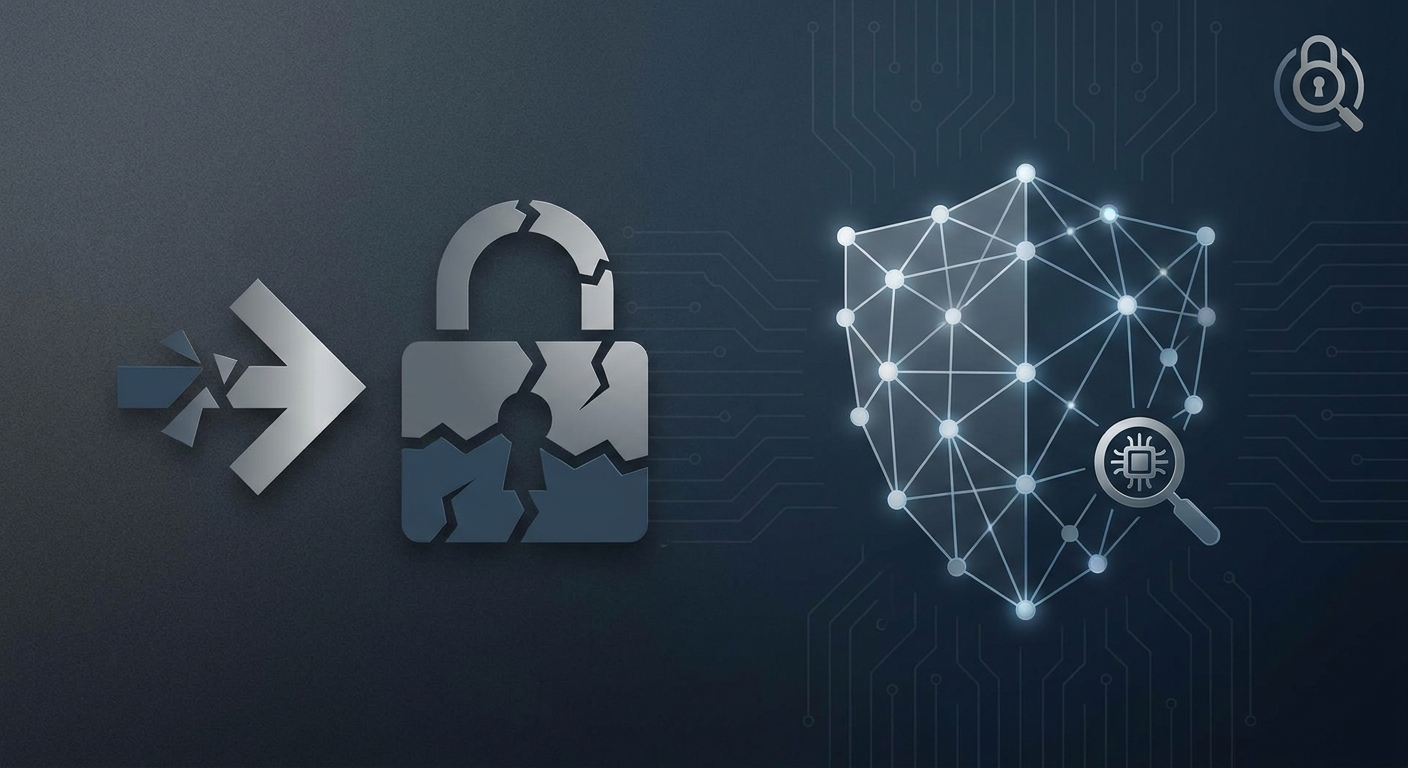
The injection of malicious codes during software development has become a common issue these days. However, detecting such codes manually is not only time-consuming but also quite challenging. At times, there is a chance that you may skip malicious codes, resulting in the deployment of vulnerable codes to customers. Are you looking for the best way to deal with this situation? Relying on artificial intelligence is an ideal option. The advanced AI models can automate the detection process and help effectively identify malicious codes early in the development phase. Moreover, they can recommend ideal solutions to fix the vulnerabilities at the right time and prevent malicious actors from exploiting the codes. AI-powered development workflows can also complement QA automation, helping teams identify issues earlier, improve testing efficiency, and reduce the amount of manual work required before software is released. This is the same pattern covered in AI Integration in SaaS: Revolutionizing Cybersecurity B2B Solutions and How Cybersecurity Teams Use AI to Analyze Compliance, Audits and Security Reports — AI reducing the volume of manual review work without removing the human sign-off.
Generating Secure Codes
The use of AI tools by developers to generate codes is on the rise. While this approach focuses on saving the time and effort of the professionals, it can actually enhance cybersecurity in software development. Wondering how? Well, AI tools can improve the security of codes by suggesting that are free from known vulnerabilities. The underlying models of the code-generating AI tools can be trained through learning from human feedback to avoid the generation of potentially vulnerable patterns. Additionally, another way of achieving it is to filter model outputs and identify the known insecure code patterns. Organizations scaling this across multiple projects still need a consistent review process regardless of where the engineering team sits, so the AI tooling and the human sign-off step scale together rather than the tooling outpacing the review capacity.
Applying Security Patches
The significance of timely version upgrades and the application of patches to software cannot be overlooked. They often contain essential security upgrades that protect the software applications from potential cybersecurity attacks. However, organizations and developers are often slow to apply these patches owing to negligence or resource constraints. As a result, it makes the software vulnerable to attacks. Relying on AI technology can help avoid such hassles and automate the security patches application process. So, you can expect constant upgrades of your software applications without much human intervention. This approach not only enhances the security of the software but also ensures optimum satisfaction of the customers. AI and the Future of Cybersecurity covers the broader shift this is part of, including where a secure AI framework still needs explicit human sign-off.
Detecting Potential Abnormalities
One of the best ways AI enhances cybersecurity in software development is through the automation of real-time detection of probable threats and abnormalities. In complex environments where data volume is huge, timely threat identification manually can be quite challenging. As a result, it can lead to security issues, ranging from minor breaches to major security problems. Are you thinking about how to deal with the situation? Well, automating the process with the help of AI is the key. The AI systems can enable developers to identify potential abnormalities in real-time during the software development process. So, taking the corrective actions at the right time and preventing major damages becomes easier.
Benefits of Automating Cybersecurity in Software Development Using AI
By now, you must be well aware of the various ways how the AI technology helps automate cybersecurity in software development. Wondering how it can benefit developers and organizations? Delve into the key benefits they offer!
Lowers the Burden of Developers
Identifying cybersecurity issues manually is indeed a laborious task that often results in overburdening of the software development teams. That is where AI comes to the rescue. This technology allows for conveniently analyzing millions of events during the software development process to identify possible risks. As a result, it sheds the burden off the shoulders of the developers and ensures that your software team do not experience fatigue.
Strengthens Security Implementation
AI tooling raises the floor on security implementation by consistently checking code against the same standards every time, instead of relying on whichever reviewer happens to catch a given pull request. Teams that pair automated scanning with periodic human review — rather than fully replacing one with the other — tend to catch both the pattern-matchable vulnerabilities and the context-dependent ones a model misses.
Allows Faster Software Launches
In this competitive era of today, every organization wants to stay ahead. However, it is at times easier said than done. To remain at the forefront, launching your software applications faster is the need of the hour. However, if you rely on developers to detect cybersecurity issues, it can take up a lot of time. As a result, you may fall behind in the race. Leveraging AI tools and automating cybersecurity can speed up the overall software development process and enable you to launch applications faster in the target market. This approach can provide you with a competitive edge and enable you to remain ahead of your rivals.
Improves Productivity
Using AI to automate cybersecurity can also boost the productivity of your developers. Wondering how? By automating the cyber threat detection process, it allows you developers to save more time. As a result, they can use this valuable time in other crucial tasks. This, in return, helps improve their productivity and accelerates the success of organizations.
Reduces Development Cost
Picture this: Your software development team has spent a lot of time, effort, and resources on building software. The applications get developed and launched in the target market. Later, you find out about the presence of malicious codes. Wouldn’t that cost your business a lot? Indeed, it will! Besides monetary losses, it can even damage the reputation of your organization in the market. However, catching this earlier with AI-assisted review can help avoid all of that. By automating threat detection, AI can enable you to identify issues earlier in the development process and fix them effectively, thereby allowing greater savings.
Conclusion
By now, you must be familiar with the role of AI in automating cybersecurity in software development. From generating secure codes and finding vulnerabilities to applying security patches and detecting anomalies in real time, it can help in several ways.
For security-focused vendors specifically, how you talk about this matters beyond your own engineering practice: buyers increasingly ask AI tools directly which vendors take secure development seriously, which means your own AI-assisted security posture is itself becoming a content and visibility question, not just an engineering one. GrackerAI (disclosure: GrackerAI publishes this blog) builds AI-visibility and AI-optimized-content tooling for cybersecurity and B2B SaaS brands navigating that shift.
Frequently Asked Questions
Can AI fully replace manual security review in software development?
No. AI is reliable at pattern-matching known vulnerability types at scale, but it still misses context-dependent issues and produces false positives. Teams that get the best results pair automated scanning with periodic human review rather than removing one for the other.
What is the fastest AI-automatable win for a team with no security automation today?
Automated dependency and patch management is usually the quickest win, since it is a well-scoped, low-ambiguity task where delayed action (not applying a patch) is the primary risk, rather than a judgment call.
Does AI-generated code introduce new security risks?
It can, if the underlying model was trained on code containing insecure patterns. Filtering model outputs for known-insecure patterns and training on vetted, secure codebases reduces this risk, but it does not eliminate the need for a security review step.
How does this connect to AI answer engine visibility for a security vendor?
Buyers now ask AI tools directly about a vendor's engineering credibility, not just its product features. A vendor with public, specific, verifiable claims about its own secure-development practices is easier for an AI engine to cite accurately than one with generic marketing language.
Where should a team start if it wants to automate cybersecurity in its SDLC?
Start with an audit of where vulnerabilities currently get caught (or missed) in your existing pipeline, then automate the highest-volume, lowest-ambiguity step first — usually dependency scanning or patch management — before moving to AI-assisted code review.
![10 Best Local Rank Tracker Tools: In-Depth Comparison Guide [2025]](https://cdn.pseo.one/6abcb68a626591c40e1c8aa6/687e1c1ef6fe799d288518df/68809c373eb8562bcf68975d/10-best-local-rank-tracker-tools-comparison-guide/feature-image.jpg)