Topical Maps in SEM: The Key to Establishing Topic Authority

Deepak Gupta · Co-founder/CEO
· Updated September 21, 2026
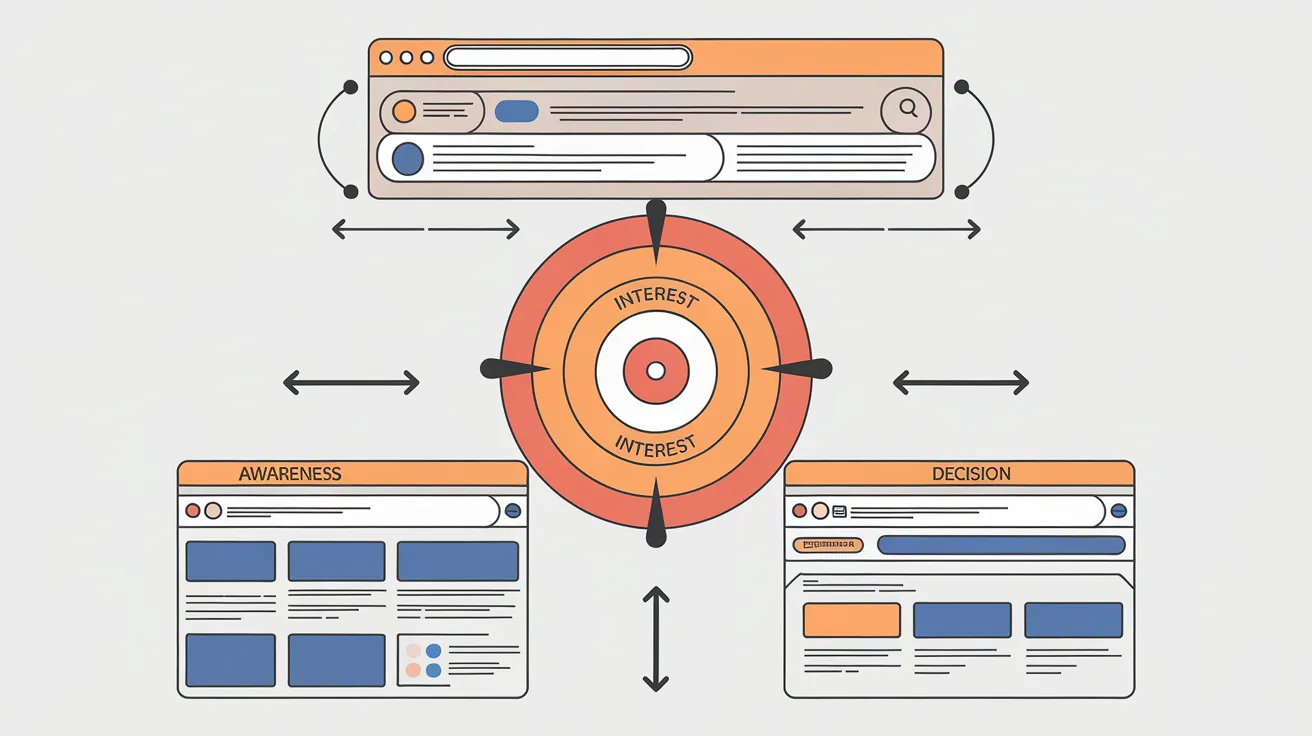
In the ever-evolving world of Search Engine Marketing (SEM), staying ahead of the curve is crucial for maintaining and improving your website’s visibility. One strategy that has gained significant traction in recent years is the use of topical maps. This comprehensive guide will delve into what topical maps are, how they work for SEM, why search engines value them, and why every website should implement this strategy.
What is a Topical Map?
A topical map, also known as a content map or topic cluster model, is a strategic approach to content organization that focuses on creating a comprehensive coverage of a broad topic through a series of interlinked, related content pieces. At its core, a topical map consists of three main elements:
- Pillar Content: A comprehensive, broad overview of the main topic.
- Cluster Content: Multiple, more specific pieces of content that dive deeper into subtopics related to the main pillar.
- Internal Links: A network of links that connect the pillar content to the cluster content and vice versa.
The goal of a topical map is to establish your website as an authoritative source on a particular subject by creating a logical, interconnected structure of content that thoroughly covers all aspects of a topic.
How Does a Topical Map Work for SEM?
Topical maps work for SEM in several ways:
1. Establishing Topic Authority
By creating a comprehensive network of content around a specific topic, you signal to search engines that your website is a knowledgeable and authoritative source on that subject. This can lead to improved rankings for a wide range of related keywords.
2. Improving Site Structure
The internal linking structure of a topical map helps search engines understand the relationship between different pieces of content on your site. This improved structure can lead to better crawling and indexing of your pages.
3. Enhancing User Experience
Topical maps make it easier for users to navigate through related content, potentially increasing time on site and reducing bounce rates – both positive signals for SEO.
4. Targeting Long-Tail Keywords
Cluster content allows you to target more specific, long-tail keywords while still maintaining relevance to the broader topic.
5. Content Gap Identification
The process of creating a topical map often reveals gaps in your content coverage, providing opportunities for new, valuable content creation. A structured competitive content gap analysis turns this from a hunch into a repeatable process.
How Do Search Engines Value Topical Maps?
Search engines, particularly Google, have evolved to understand topics and context rather than just individual keywords. This shift is reflected in several algorithm updates and features:
1. Google’s Hummingbird Update
Introduced in 2013, the Hummingbird update focused on understanding the intent and context behind searches rather than just matching keywords. Topical maps align well with this approach by providing comprehensive coverage of topics.
2. RankBrain and BERT
These AI-driven algorithm components help Google understand the nuances of language and the relationships between concepts. A well-structured topical map can help these systems better understand the depth and breadth of your content.
3. E-A-T (Expertise, Authoritativeness, Trustworthiness)
Google’s Search Quality Evaluator Guidelines emphasize the importance of E-A-T. Topical maps demonstrate expertise and authoritativeness by providing comprehensive coverage of a subject.
4. Semantic Search
Search engines now use semantic search to understand the contextual meaning of terms. Topical maps, with their interlinked structure, provide rich context that aligns with this approach.
Why Every Website Should Have a Topical Map
Implementing a topical map strategy offers numerous benefits for websites across various industries:
1. Improved Search Engine Rankings
By establishing topic authority and providing comprehensive coverage, websites can improve their rankings for a wide range of related keywords.
2. Enhanced User Engagement
A well-structured topical map makes it easier for users to find related information, potentially increasing time on site and pages per session.
3. Efficient Content Strategy
Topical maps provide a clear structure for content creation, helping teams identify gaps and prioritize new content.
4. Competitive Advantage
Websites that effectively implement topical maps can outperform competitors who are still focusing on isolated, keyword-driven content.
5. Future-Proofing SEO Efforts
As search engines continue to evolve towards understanding topics and context, websites with strong topical maps will be well-positioned for future algorithm updates. That evolution increasingly includes AI-driven answer engines — see our guide on getting your content strategy ready for AI search for how the same topical-authority principles carry over.
How to Create an Effective Topical Map
Creating an effective topical map involves several steps:
- Identify Your Core Topics: Determine the main subjects that are most relevant to your business or website.
- Create Pillar Content: Develop comprehensive, broad overview content for each core topic.
- Brainstorm Cluster Topics: List out all the subtopics and related questions that fall under each pillar.
- Develop Cluster Content: Create in-depth content for each subtopic, ensuring it links back to the pillar content.
- Implement Internal Linking: Ensure all cluster content pieces link to the pillar and to other relevant cluster content.
- Optimize for SEO: Use relevant keywords naturally throughout your content and optimize meta tags.
- Update and Expand: Regularly review your topical map to identify new opportunities for content and keep existing content up-to-date.
When you’re brainstorming cluster topics in step 3, intent-based keyword clustering is a useful companion method for B2B SaaS sites, since it groups subtopics by what a searcher actually wants rather than by keyword alone.
Real-World Example: HubSpot’s Topical Map
HubSpot provides an excellent example of effective topical map implementation. Let’s look at their approach to the topic of “Inbound Marketing”:
- Pillar Page: What is Inbound Marketing?
- Cluster Content Examples:
- Inbound Marketing Strategy
- Inbound Marketing vs. Outbound Marketing
- Inbound Marketing Examples
HubSpot’s pillar page provides a comprehensive overview of inbound marketing, while the cluster content dives deeper into specific aspects, all interlinked to create a robust topical map.
Conclusion
Topical maps represent a powerful strategy for modern SEM, aligning perfectly with search engines’ focus on context, relevance, and user intent. By implementing a topical map approach, websites can establish themselves as authoritative sources on their core subjects, improve their search engine rankings, and provide a better experience for their users. As search engines continue to evolve, the importance of comprehensive, well-structured content will only grow. Websites that embrace topical maps now will be well-positioned to succeed in the increasingly competitive digital landscape. Whether you’re running a small blog or managing a large corporate website, investing time and resources into creating and maintaining topical maps can yield significant long-term benefits for your SEM efforts and overall online presence.
Related Articles
-
 cybersecurity content audit
 How to Audit Cybersecurity Content for Accuracy and Originality
Cybersecurity content with incorrect facts destroys confidence fast. Here's a practical audit framework for correctness and originality that preserves the credibility of your security publications.
-

10 Examples of SaaS Companies with Exceptional Marketing
Explore 10 SaaS marketing examples with actionable tactics. Learn innovative strategies from top companies to elevate your own campaigns.
-

How to Find the Right B2B Prospects for Your SaaS Product
Stop wasting sales outreach on leads that're not a good fit. Learn ways to find, check, and work with the right B2B prospects for your SaaS product.
-
 online reputation management
 The Importance of SEO in Online Reputation Management
Discover how SEO influences your digital brand. Learn actionable strategies to suppress negative search results and build a positive online reputation today.