The 10 Best Free Keyword Research Tools in 2026

The best free keyword research tools in 2026 depend on what you're optimizing for: GrackerAI for B2B SaaS and cybersecurity brands that need AI-search citation tracking alongside keywords, Google Keyword Planner and Google Trends for genuinely free baseline data straight from Google, and LowFruits, Ubersuggest, or AnswerThePublic for small-business and DIY keyword and content-idea research. Each free tier trades off data depth for cost, so the right pick depends on whether you need AI-citation tracking, PPC volume data, or beginner-friendly keyword ideas.
Key Takeaways
Free keyword research tools are enough to build a strong SEO strategy in 2026 when used correctly.
The right tool depends on your goal: Gracker.ai for B2B SaaS and AI visibility, and tools like LowFruits or Ubersuggest for beginners and small businesses.
Using multiple tools together helps find better keywords, understand trends, and outperform competitors.
Seasonal promo pricing is worth tracking too — see our SaaS Black Friday deals roundup for discount windows across the marketing tool stack.
Introduction
Keyword research in 2026 goes beyond finding search volume. Marketers now need to understand search intent, competition, and visibility across both Google and AI-powered search engines. Choosing the right keyword research tools is essential to build content that ranks, attracts the right audience, and drives results.
Traditional tools such as Semrush, Ahrefs, Google Keyword Planner, and Ubersuggest help uncover high-performing keywords, analyze competitors, and plan SEO strategies. Tools like LowFruits, AnswerThePublic, Google Trends, and Topicfinder support content ideation, trend analysis, and low-competition keyword discovery.
There is no single best keyword research tool for everyone. Each platform serves a different purpose based on your goals, skill level, and business type. To help you choose the right solution, we’ve curated a list of the best free keyword research tools for 2026, covering their features, pricing, and ideal use cases. Pricing below is each vendor's own published rate, retrieved 2026-09-16 — check their pricing page before buying, since SEO tool pricing changes often.
What We Cover
Comparison Table
Gracker.ai
LowFruits
Semrush
Ahrefs
Google Keyword Planner
Ubersuggest
AnswerThePublic
Moz Pro
Google Trends
Topicfinder
FAQ’s
Comparison Table
Tool Name | Best For | Free Plan/Trial | Starting Price |
|---|---|---|---|
Gracker.ai | B2B SaaS companies | Yes (7-day trial) | From $99/month |
LowFruits | Small business owners, DIY SEOs | Limited | From $249/year |
Semrush | Advanced SEOs, digital marketers | Yes | From $139.95/month |
Ahrefs | Advanced SEOs, digital marketers | Yes | From $29/month |
Google Keyword Planner | PPC specialists, digital marketers | Yes | Free with Google Ads account |
Ubersuggest | Beginner SEOs, small business owners | Yes | From $29/month |
AnswerThePublic | Content creators, beginners | Limited | From $9/month |
Moz Pro | Beginner to advanced SEOs | Yes | From $99/month |
Google Trends | Content planners, marketers | Yes | Free |
Topicfinder | Small business owners | Yes | From $39/month |
1. Gracker.ai
Disclosure: GrackerAI publishes this blog, and we've ranked our own product #1 below — weigh that placement accordingly as you compare it against the alternatives here.
Best for: Cybersecurity companies and other B2B SaaS companies
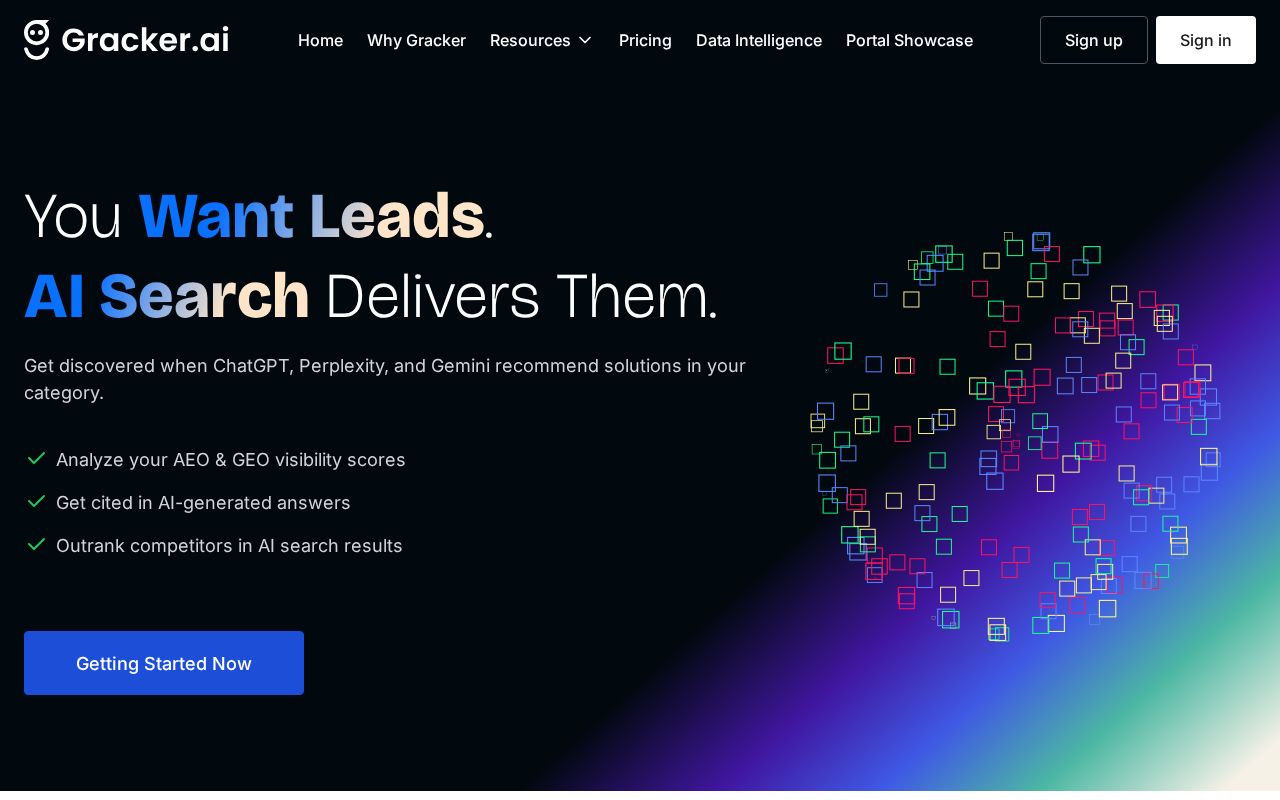
Gracker.ai is a B2B growth platform specializing in programmatic SEO and AI visibility. It helps businesses get discovered through AI search engines like ChatGPT and Perplexity by optimizing for citations in AI-generated answers. Your search for greater online presence starts here.
Pros & Cons
Pros:
Automated content generation reduces workload.
Real-time insights on competitor visibility.
Rapid improvements in AI search mentions.
Cons:
Focused primarily on B2B; may not suit other sectors.
Requires initial setup for full functionality.
Pricing (gracker.ai/pricing, retrieved 2026-09-16):
Free Plan: 7-day free trial; a valid credit card is required to start it (gracker.ai/pricing FAQ, retrieved 2026-09-19)
Paid Plans:
Starter – $99/month (100 prompts/week, 3 AI engines)
Scale – $499/month (200 prompts/day, 4 AI engines)Enterprise Plan: Custom pricing (1,000+ prompts/day, all 10 AI engines)
2. LowFruits
Best for: Small business owners, DIY SEOs
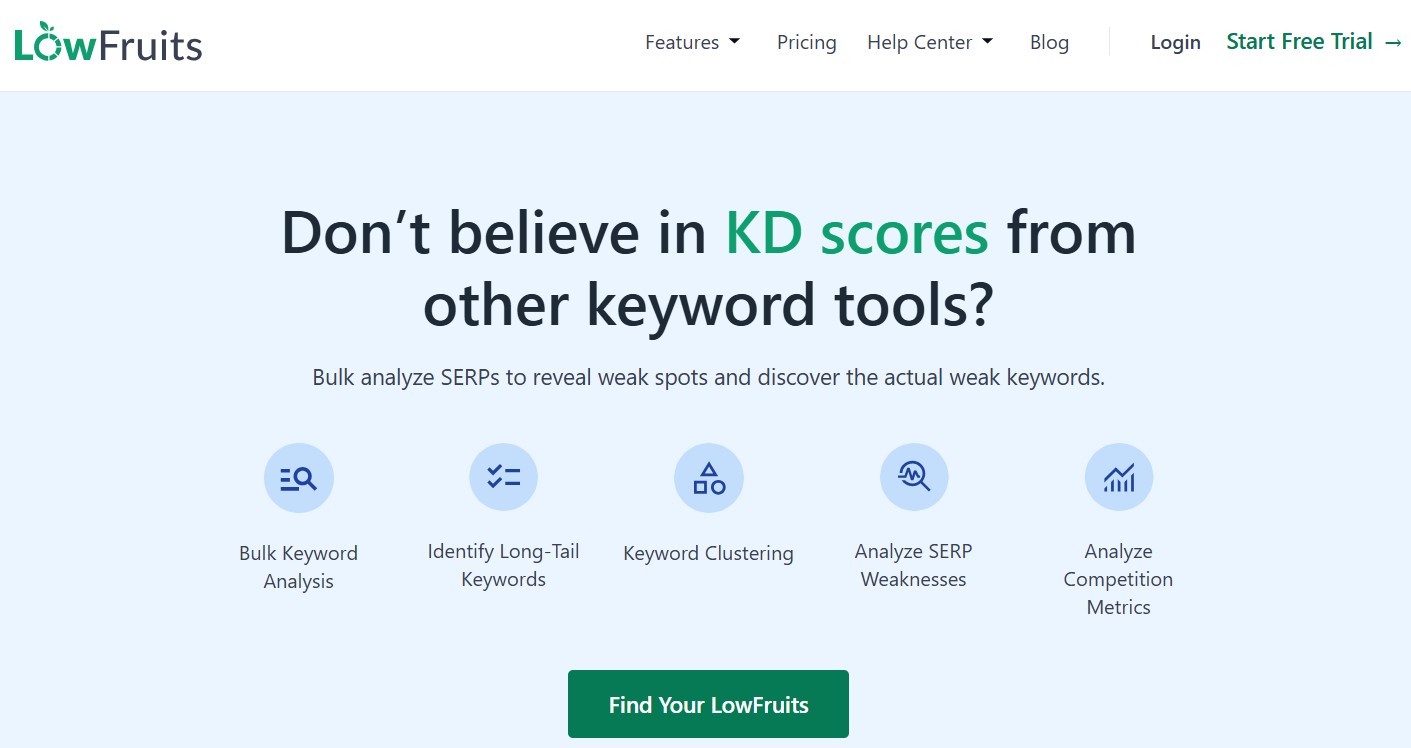
LowFruits offers keyword research focused on uncovering low-competition keywords using a unique SERP analysis. Designed mostly for small business owners and DIY SEOs, this tool helps you fill the gaps in competition effortlessly.
Pros & Cons
Pros:
Easy to use interface makes it accessible.
Effective in uncovering competition gaps.
Cons:
- Higher tier pricing may deter some users.
Pricing: Starts at $249/year; also offers pay-as-you-go packages.
3. Semrush
Best for: Advanced SEOs and digital marketers
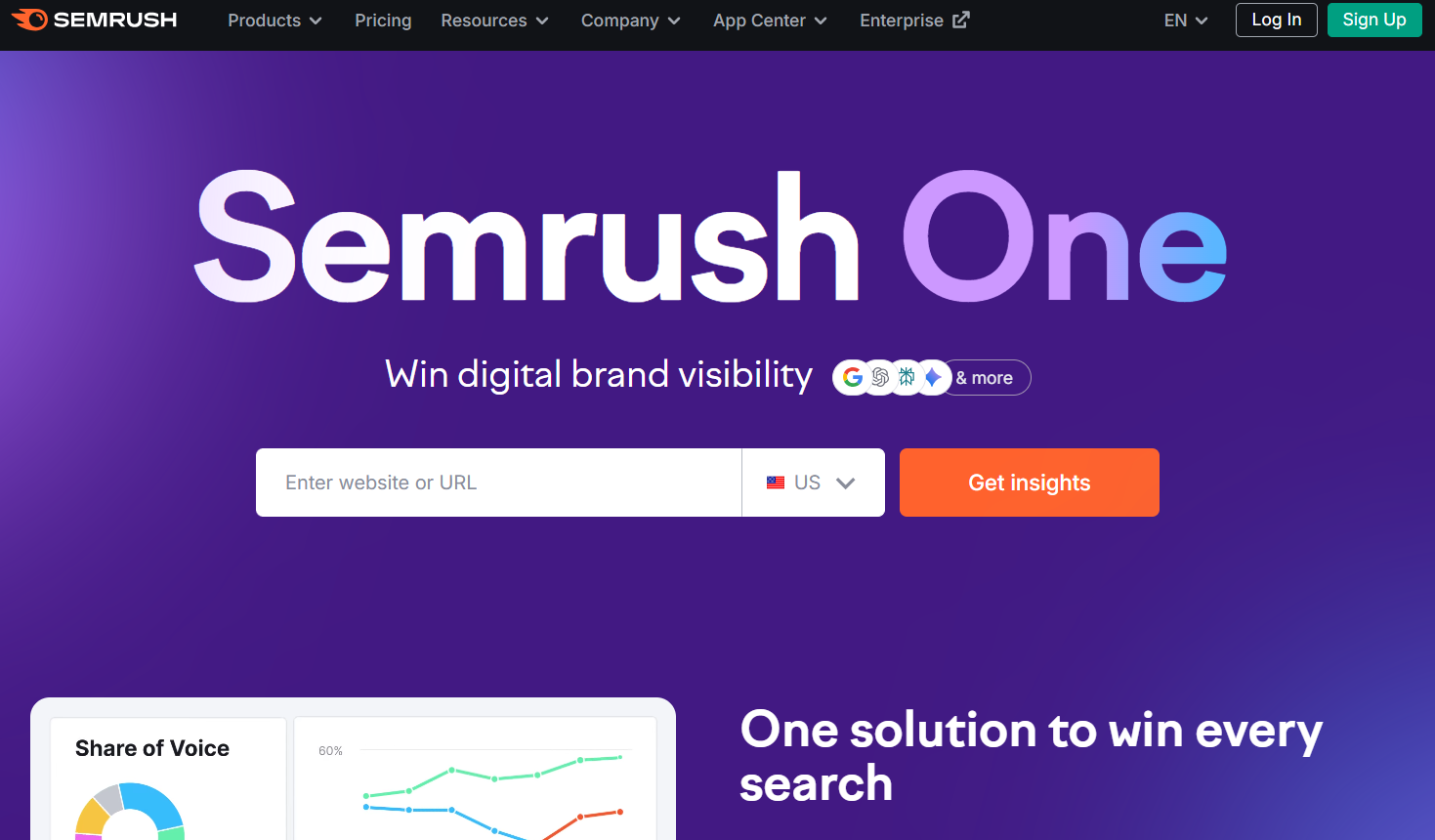
As an industry-standard SEO tool, Semrush offers comprehensive keyword research along with additional marketing features. Its keyword overview dashboard and various tools ensure that you can make informed decisions about your strategy.
Pros & Cons
Pros:
Extensive data coverage from various sources.
Multi-functional capabilities beyond just keyword research.
Cons:
Can be overwhelming for beginners.
Higher cost than many alternatives.
Pricing: Starts at $139.95/month (Pro plan).
4. Ahrefs
Best for: Advanced SEOs and digital marketers
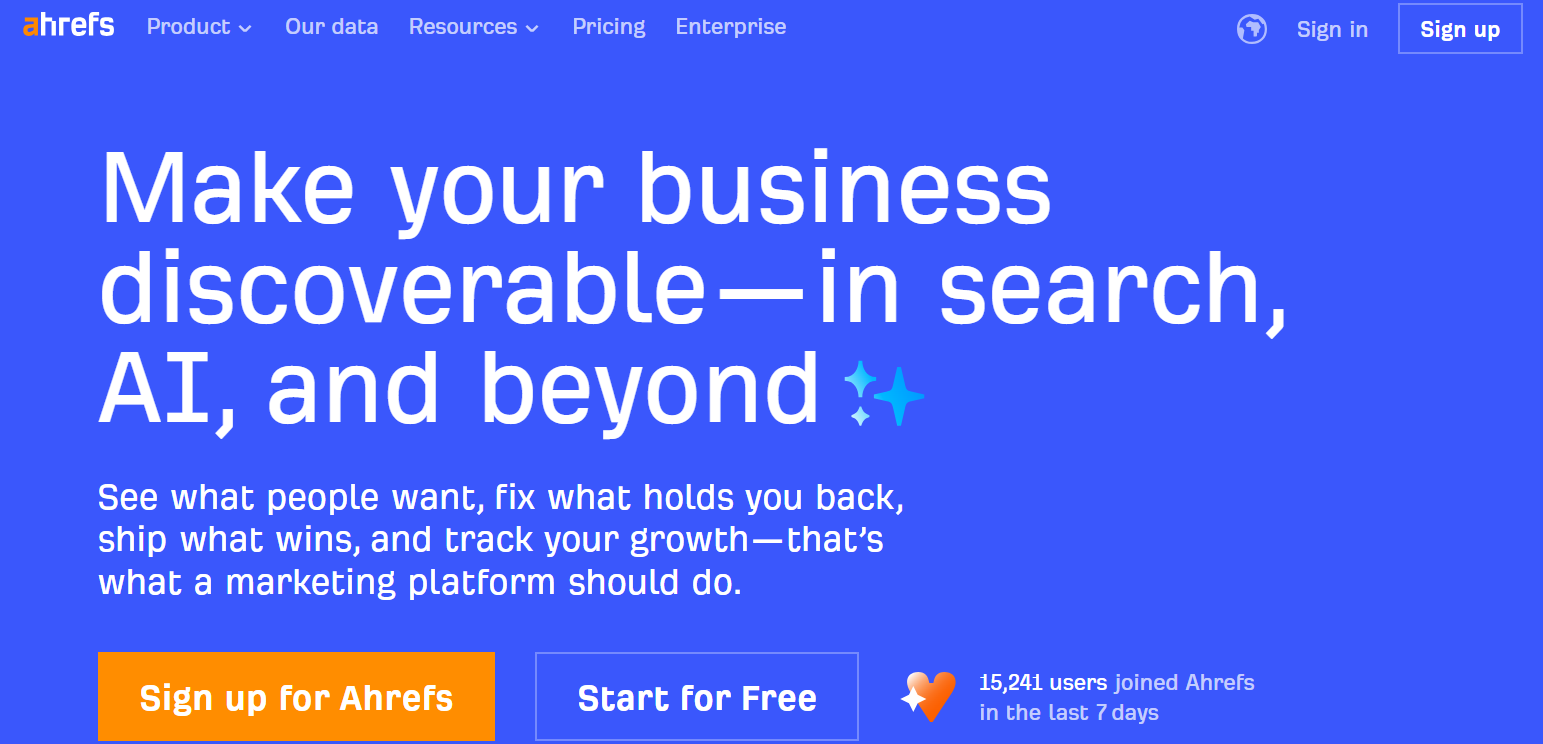
Ahrefs is well-known for its powerful keyword research capabilities and backlink analysis. Offering comprehensive data and user-friendly tools, it's perfect for marketers looking for in-depth insights.
Pros & Cons
Pros:
User-friendly, even for beginners.
Extensive keyword dataset for thorough analysis.
Cons:
- Monthly cost is relatively high on the mid and upper tiers.
Pricing: Starts at $29/month (Starter plan); the more commonly used Lite plan runs $129/month.
5. Google Keyword Planner
Best for: PPC specialists and digital marketers
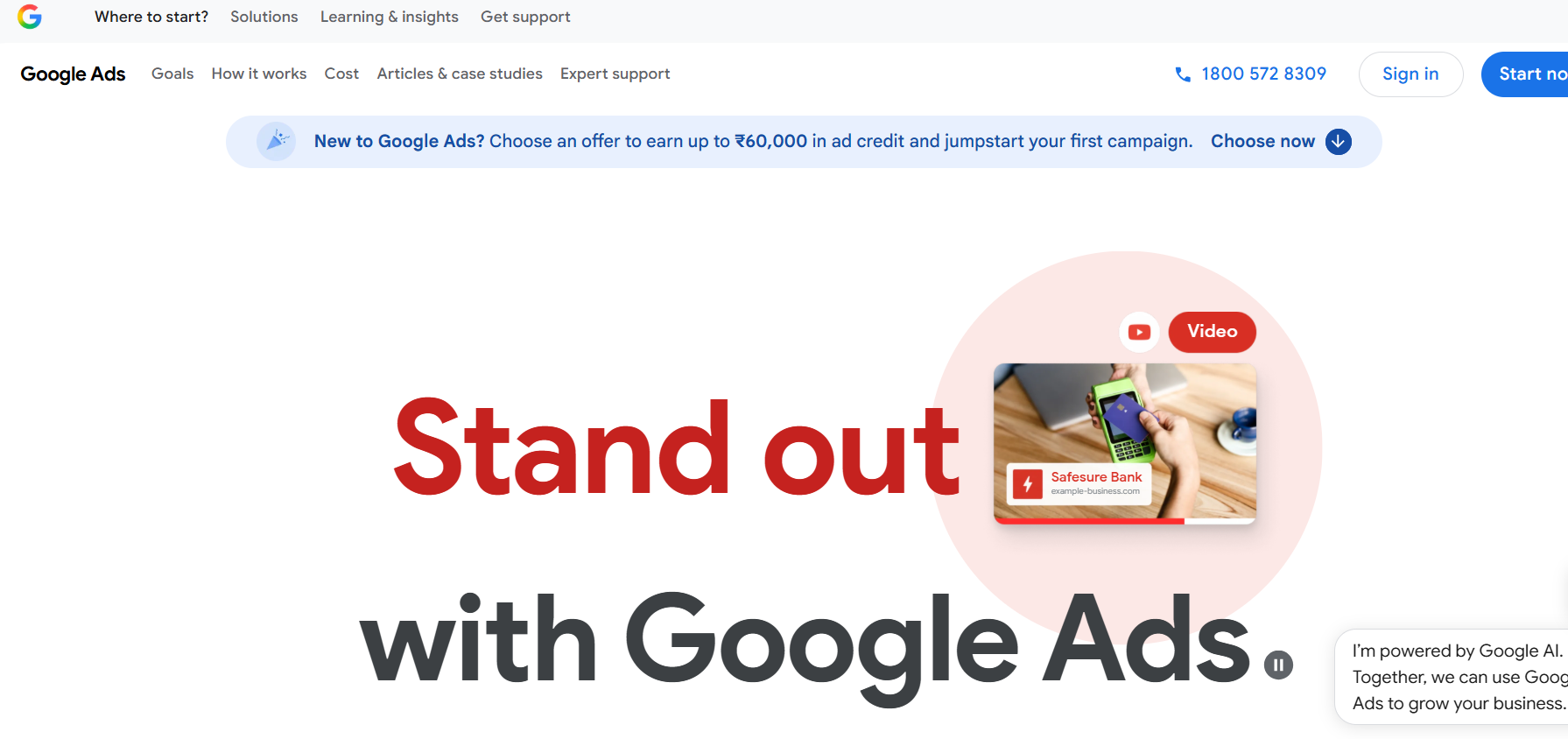
Google Keyword Planner is designed for those creating PPC campaigns but offers valuable insights that can also benefit SEO strategies. It provides historical search data and competitive analysis.
Pros & Cons
Pros:
Accurate data directly from Google.
Completely free with a Google Ads account.
Cons:
- Primarily aimed at PPC rather than organic search.
Pricing: Free with a Google Ads account.
6. Ubersuggest
Best for: Beginner SEOs and small business owners
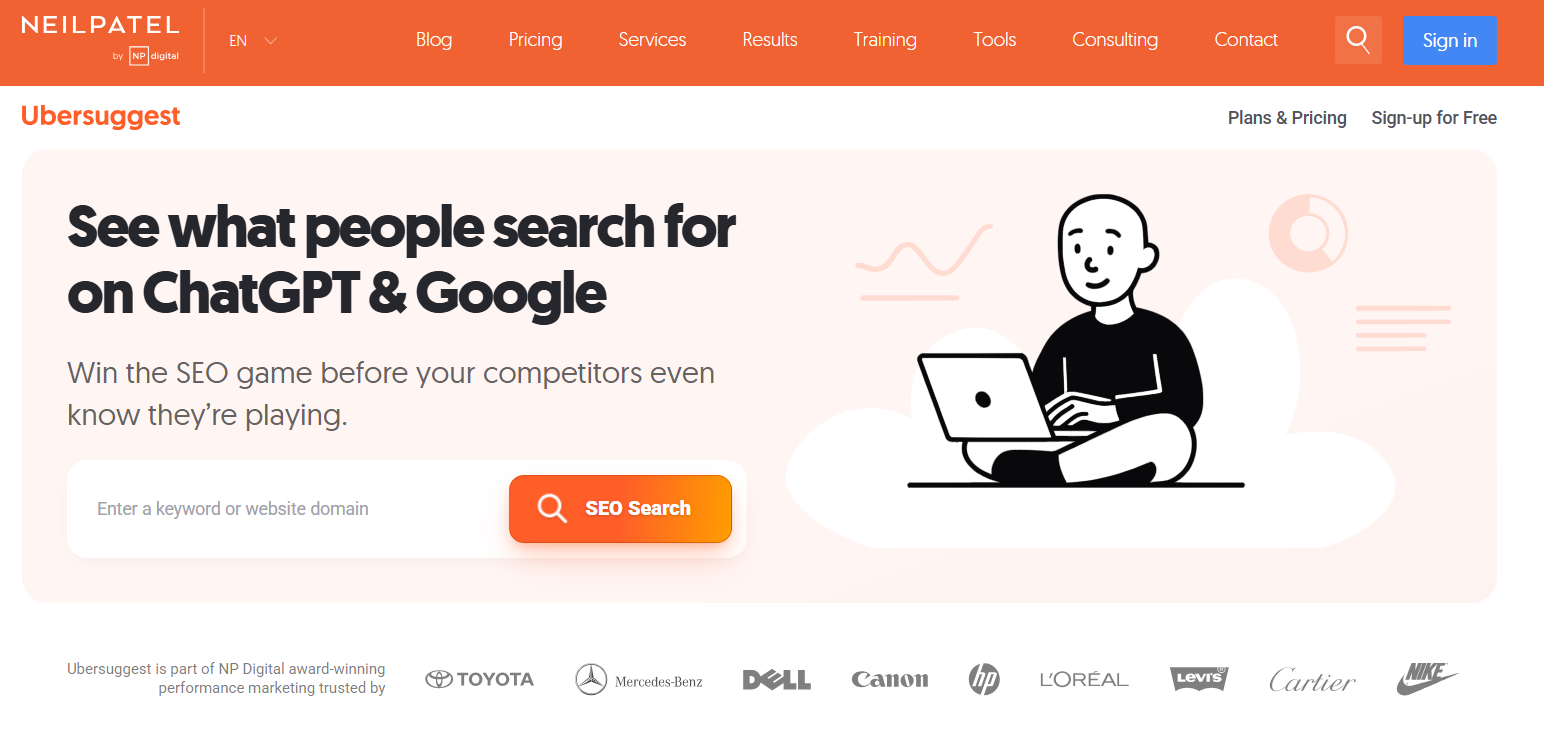
Ubersuggest is budget-friendly, providing keyword suggestions and analysis. The free version is ideal for new users, offering the essential features needed to kick-start your SEO efforts.
Pros & Cons
Pros:
Free starter version available.
User-friendly interface.
Cons:
- Limitations in features compared to comprehensive platforms.
Pricing: Starts at $29/month.
7. AnswerThePublic
Best for: Content creators and beginners
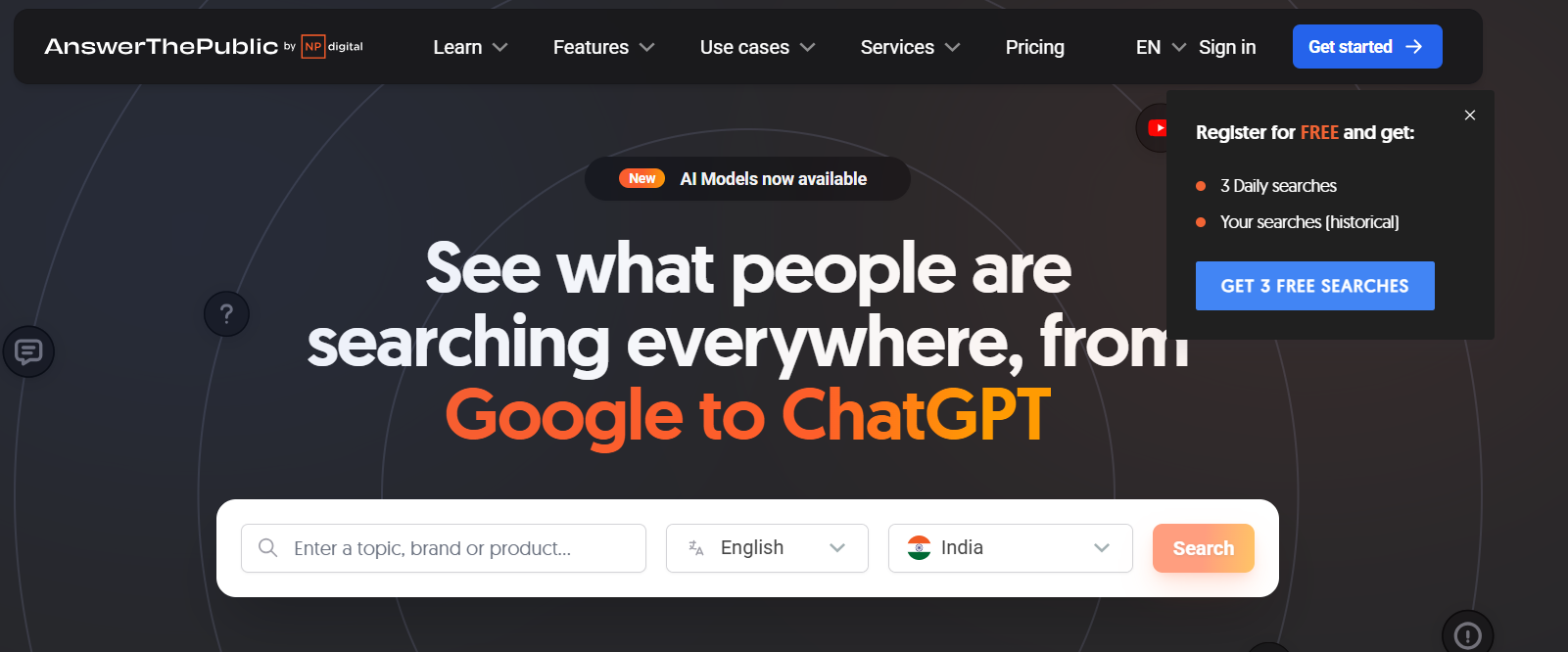
AnswerThePublic leverages Google’s Autocomplete feature to create visual representations of searches related to any keyword. It’s essential for brainstorming content ideas effectively.
Pros & Cons
Pros:
Unique way to inspire content ideas.
Visual data aids in understanding user intent.
Cons:
- Limited free searches available.
Pricing: Starts at $9/month.
8. Moz Pro
Best for: Beginner to advanced SEOs
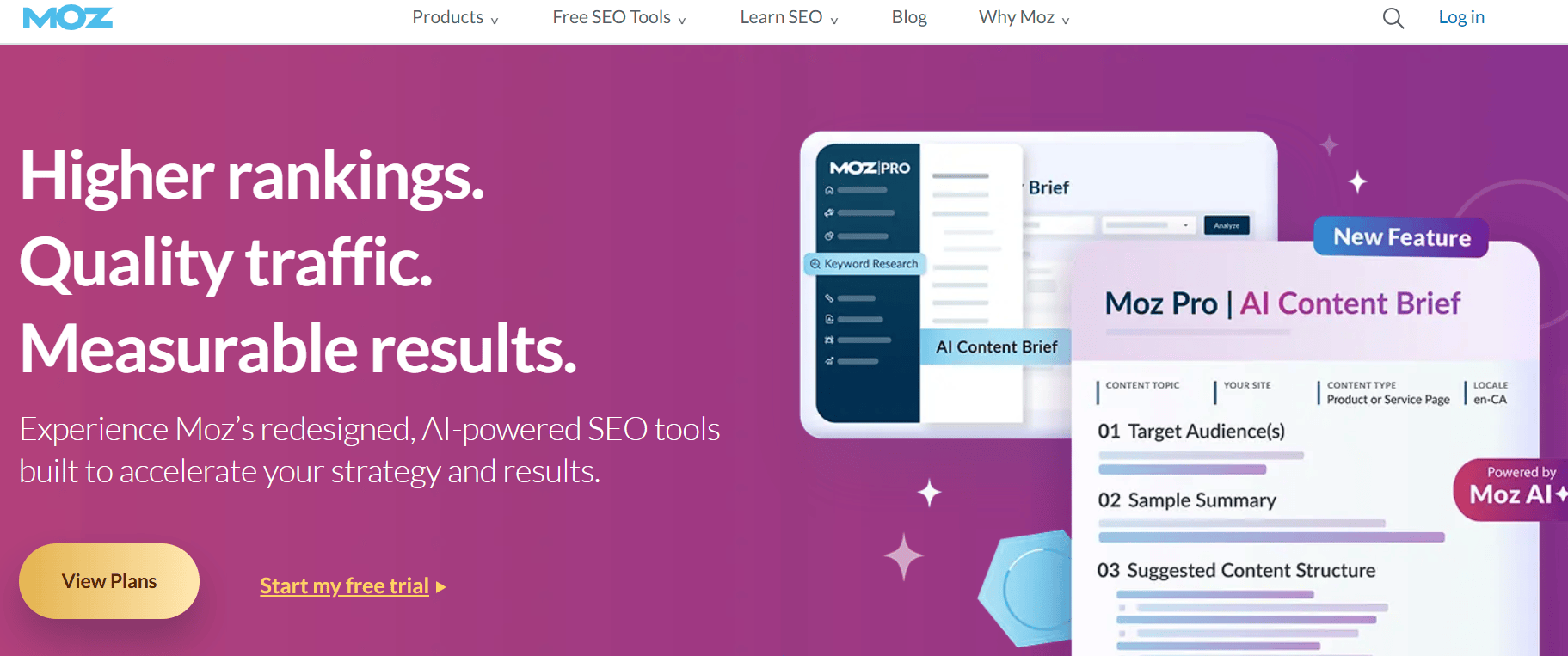
Moz Pro offers a full suite of tools for keyword research, link building, and site audits, making it accessible for all skill levels and benefiting from a strong community support system.
Pros & Cons
Pros:
User-friendly interface.
Active community for support.
Cons:
- May not be as robust as alternatives like Ahrefs or Semrush.
Pricing: Starts at $99/month.
9. Google Trends
Best for: Content planners and marketers
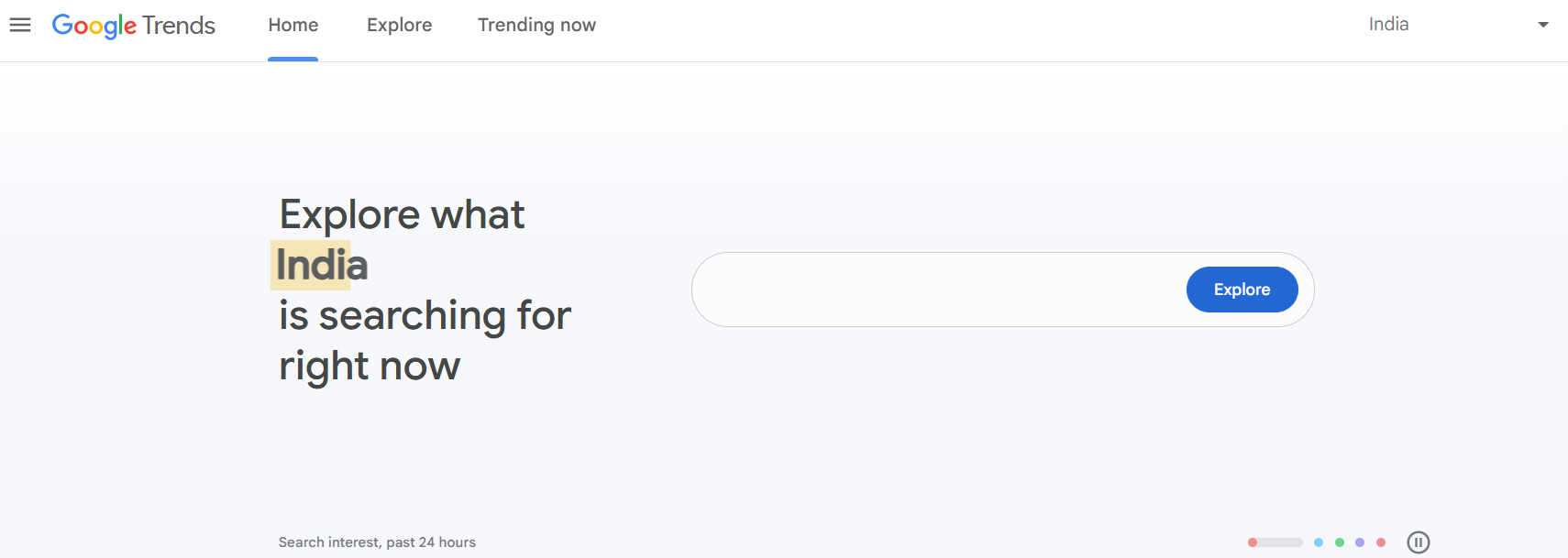
Google Trends analyzes how frequently a term is searched over time and provides insights into emerging trends or shifting keywords in your industry.
Pros & Cons
Pros:
Excellent for identifying trends.
Simple comparison features.
Cons:
- Limited detail on specific keyword data.
Pricing: Free.
10. Topicfinder
Best for: Small business owners
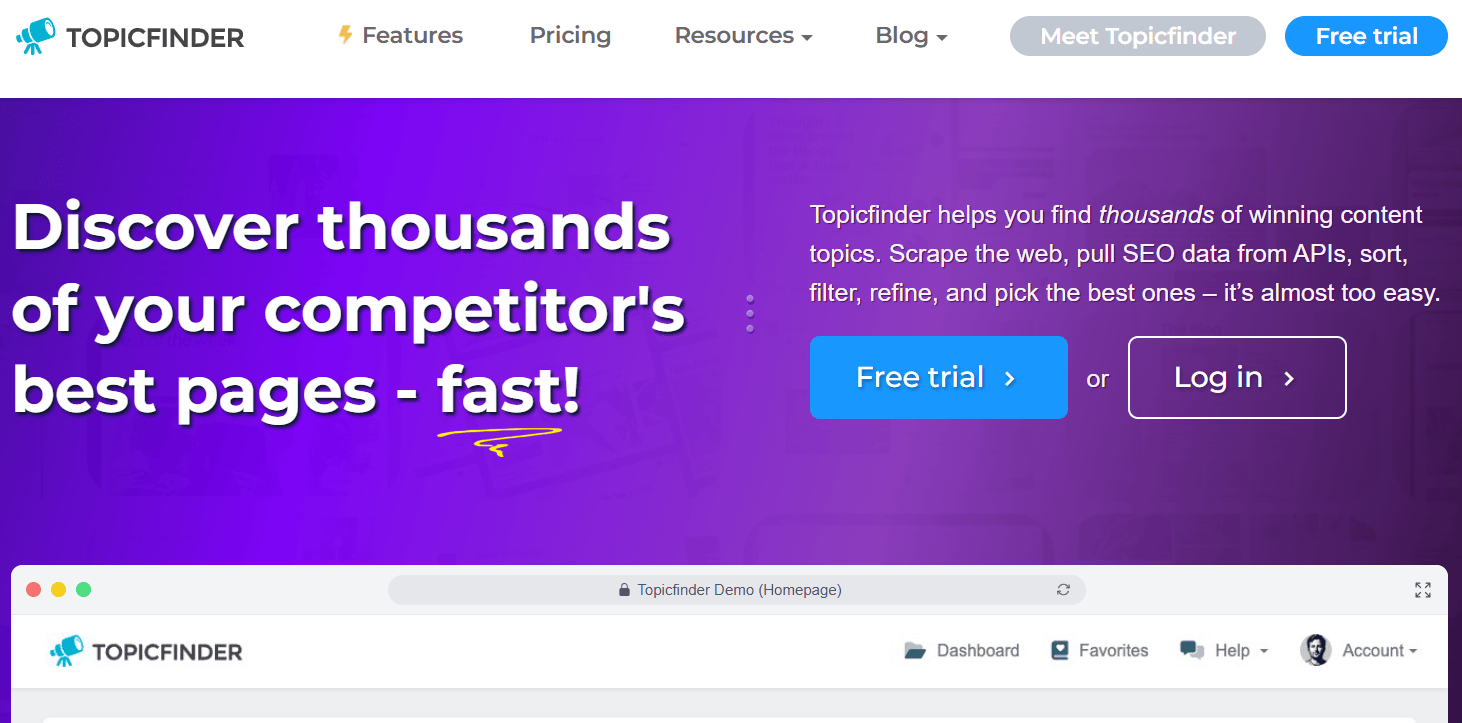
Topicfinder assists in uncovering content ideas by analyzing what topics competitors are already ranking for. It’s a must-have for effective content strategy formulation.
Pros & Cons
Pros:
Unlimited competitor views for comprehensive analysis.
Saves content ideas for future use.
Cons:
- Subscription required for advanced features.
Pricing: Starts at $39/month.
Frequently Asked Questions
1. What are keyword research tools, and why are they important?
Keyword research tools help identify the search terms users enter into search engines, enabling marketers to align their content and strategies for optimized visibility.
2. How can keyword research tools help me?
These tools assist in discovering high-performing keywords, understanding user intent, and refining content strategies based on market demands. One of the highest-value uses of any tool on this list is running a keyword gap analysis against your competitors, which surfaces terms they already rank for that your content doesn't touch yet.
3. Can I use these tools for PPC campaigns?
Yes, many of these tools provide features specifically designed to assist in optimizing pay-per-click advertising strategies.
4. Which free tools are the most effective?
Tools like Google Keyword Planner and Google Trends offer valuable insights without a cost, making them ideal starting points for keyword research, while Ahrefs and Ubersuggest offer usable paid entry tiers under $30/month.
5. How often should I conduct keyword research?
Regular updates to your keyword research are essential; monthly reviews can help adapt to market trends and shifts in consumer behavior.
By utilizing these tools, you can significantly enhance your keyword research capabilities, optimize your SEO strategy, and improve your content's effectiveness, ensuring your marketing efforts yield the best results in 2026. New to SEO altogether? Master SEO Management: A Beginner's Guide to Traffic Boost walks through where keyword research fits alongside on-page, technical, and off-page work.
![10 Best Local Rank Tracker Tools: In-Depth Comparison Guide [2025]](https://cdn.pseo.one/6abcb68a626591c40e1c8aa6/687e1c1ef6fe799d288518df/68809c373eb8562bcf68975d/10-best-local-rank-tracker-tools-comparison-guide/feature-image.jpg)