SK Telecom's USIM Replacement Program

More than 200,000 subscribers of SK Telecom received new universal subscriber identity module (USIM) chips on the first day of the company's offering of a free replacement service following a recent network hacking incident. This initiative comes in response to a major data breach that exposed sensitive customer USIM card data. The cyberattack, detected on April 19, raised concerns about potential SIM swapping attacks and broader cybersecurity vulnerabilities.
Security Response and SIM Replacement Program
SK Telecom has initiated a free USIM card replacement program at 2,600 carrier stores nationwide. However, initial supply constraints allow for replacements for less than five percent of its approximately 23 million customers. The company aims to secure an additional five million chips by the end of May. To alleviate the shortage, SK Telecom plans to introduce a SIM card formatting system by mid-May, which will enable customers to update internal information on existing SIM cards without needing physical replacements. Eligibility for the free replacement is limited to customers subscribed as of April 18, 2025. SK Telecom has also enhanced its fraud detection systems and partnered with financial institutions to strengthen authentication protocols. These efforts align with industry-wide initiatives to improve secure credential exchange, as noted in ID Tech. A free SIM protection service is available to prevent unauthorized swaps, although it currently disables international roaming features, which the company plans to address.
Scope of Breach and Ongoing Investigations
The data breach primarily involved technical SIM information, such as IMSI, MSISDN, and authentication keys, rather than sensitive personal information like names or financial records. This limits the immediate risk of SIM swapping unless combined with other data sources. As of now, there is no confirmed evidence of secondary damage or data appearing on the dark web. Affected users have launched the “SKT USIM Hacking Joint Response” website to organize actions and filed a petition through the National Assembly for a full investigation and compensation. SK Telecom is cooperating with the Korea Internet Security Agency (KISA) and law enforcement agencies as they look into potential links to state-sponsored actors or organized cybercriminal groups. Government officials have criticized SK Telecom’s response and transparency, and the company could face penalties under South Korea’s Personal Information Protection Act. Approximately 9.7 gigabytes of data were exfiltrated during the breach, equivalent to roughly 2.7 million pages of documents. While no ransomware group has claimed responsibility, this incident underscores the need for robust identity verification and fraud prevention technologies. Mobile and eSIM providers such as Simify also need to implement rigorous security controls to safeguard subscriber data and maintain user trust. GrackerAI offers solutions that help organizations stay informed about such cybersecurity incidents, enabling them to craft strategic content that resonates with cybersecurity professionals and decision-makers.
GrackerAI: Cybersecurity Marketing Solutions
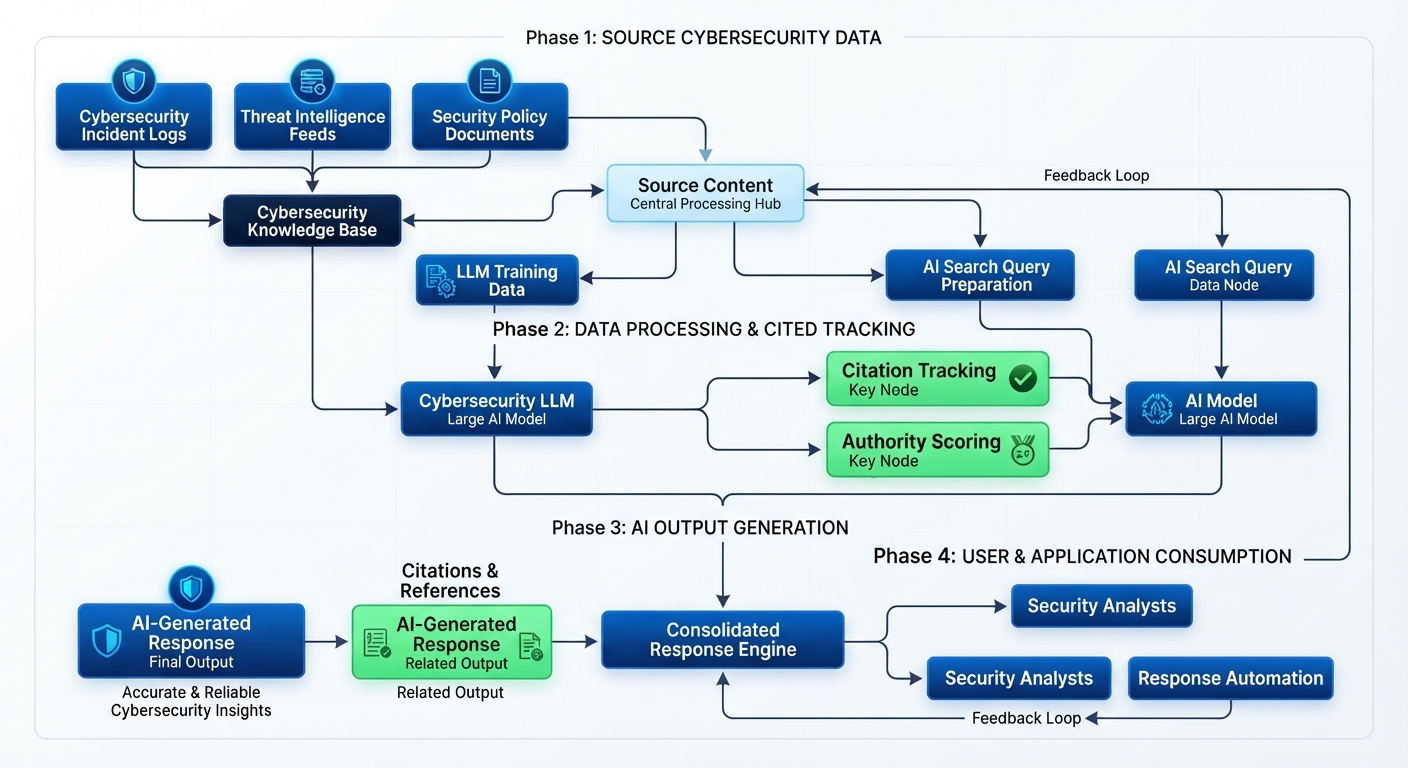
GrackerAI is an AI-powered cybersecurity marketing platform designed to assist organizations in transforming security news into strategic content opportunities. By automating insight generation from industry developments, GrackerAI enables marketing teams to identify emerging trends, monitor threats, and produce technically relevant content. The platform is particularly beneficial for B2B tech and cloud security firms looking to enhance their thought leadership and trend monitoring capabilities. For those in the cybersecurity vendor and threat intelligence space, GrackerAI positions itself as a solution for creating timely, targeted marketing materials that effectively reach the intended audience. Explore GrackerAI's services or contact us at GrackerAI to learn how we can help your organization navigate the complexities of cybersecurity content automation.
Latest Cybersecurity Trends & Breaking News
Low-Tech Attack Vectors Persisting in Cybersecurity Google Chrome Zero-Day Vulnerability CVE-2025-2783