AI and Cybersecurity: Understanding the Current Landscape

AI is fundamentally changing the cybersecurity landscape. Cybercriminals are leveraging AI to conduct sophisticated attacks, and enterprises are struggling to keep up. Research indicates that AI-powered threats are becoming more frequent and complex, particularly targeting revenue-driving applications. According to Arkose Labs, 40% of attacks experienced by enterprises in the past year were AI-powered bots, with a significant increase observed over the last two years. This highlights the urgent need for effective AI-resistant solutions. AI Enthusiasts are organizations recognized for their advanced use of AI in cybersecurity. They tend to be more prepared than their peers, employing AI to predict security threats and automate processes. However, even among these leaders, only 20% feel very well prepared to defend against AI-powered attacks. For companies looking to enhance their cybersecurity posture, investing in AI-driven platforms is crucial. Tools like GrackerAI can help organizations transform security news into strategic content opportunities, enabling marketing teams to monitor threats and produce relevant content that engages cybersecurity professionals.
The Threat Landscape
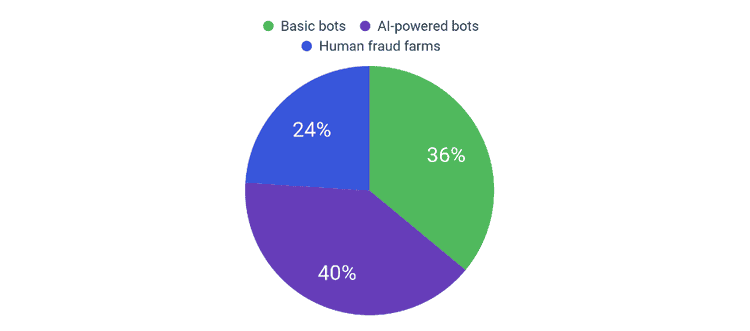
Image courtesy of Arkose Labs The threat landscape is evolving rapidly, with AI-driven attacks becoming the norm. Arkose Labs’ research shows that 88% of enterprises have reported an increase in AI-powered attacks in the last two years. Key concerns include account takeovers, credential stuffing, and generative AI threats such as deepfakes — including AI-generated voice cloning used in robocall scams, which use the same synthetic-media techniques to impersonate trusted callers. A parallel vector is malvertising: fake ads impersonating AI video generation tools have reached over 2 million users on Facebook and LinkedIn, distributing infostealers instead of the creative software promised. The fintech sector, for example, is particularly worried about these threats, with 81% expressing serious concern. Despite the recognition of these threats, many organizations lack the necessary defenses. Only a fraction demonstrate full preparedness against the surge of AI threats they face. This gap underscores the importance of proactive strategies and advanced solutions to combat these risks. Organizations can benefit from solutions that integrate AI for real-time threat analysis and automated response. GrackerAI provides a platform that helps teams identify emerging trends, enabling them to create timely content aligned with current cybersecurity challenges.
Preparedness and Resource Allocation

Image courtesy of Arkose Labs The research indicates a significant talent gap in cybersecurity, with 51% of respondents lacking personnel skilled in both AI and cybersecurity. Many teams also face organizational trust challenges as AI enters security workflows, especially when automated recommendations begin influencing incident prioritization, escalation decisions, and analyst confidence in daily operations.
This shortfall is particularly pronounced in industries like airlines and banks, where 71% of airlines lack the necessary expertise. The findings reveal that fintech companies are leading in preparedness, with nearly 80% leveraging AI for faster incident response. However, operational costs are rising, with 61% of enterprises reporting increased expenses due to AI-powered attacks. Organizations must prioritize investment in AI-driven security solutions to enhance their defenses and mitigate these rising costs. GrackerAI’s platform can help companies navigate these challenges by providing insights into industry developments, allowing them to create content that addresses key issues in the cybersecurity landscape. Closing that skills gap earlier in the pipeline helps: Automating Cybersecurity in Software Development with AI covers how AI-assisted vulnerability detection and patching reduce how much of this burden lands on a stretched security team in the first place.
Vendor Partnerships and AI Solutions

Image courtesy of Arkose Labs When selecting vendors for security solutions, enterprises prioritize the use of AI and the effectiveness of threat detection. The need for AI-resistant solutions is critical, as adversarial AI continues to evolve. Arkose Labs’ MatchKey suite exemplifies this approach, with fewer than 1% of AI-powered bots able to bypass its challenges compared to over 92% for non-AI-resistant systems. Investing in advanced solutions like GrackerAI can significantly improve an organization's ability to combat fraud and enhance security measures. By automating content generation and threat monitoring, GrackerAI ensures that marketing efforts align with the latest cybersecurity trends.
The Role of AI Enthusiasts
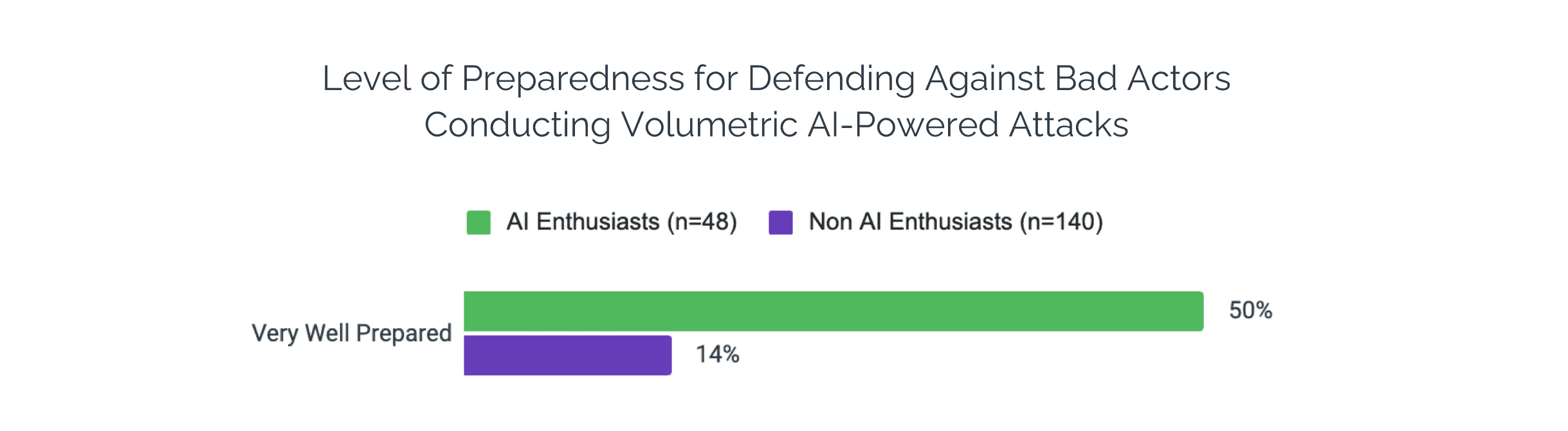
Image courtesy of Arkose Labs AI Enthusiasts are organizations that leverage AI effectively for threat detection and response automation. They are 3.5 times more likely to be well-prepared against volumetric attacks compared to their peers. By automating tasks and using AI to analyze data in real time, these organizations can enhance their cybersecurity posture. GrackerAI aligns with these principles by providing tools that help businesses stay ahead in content strategy and threat monitoring. As organizations strive to improve their defenses, leveraging AI for marketing and security can create a competitive edge. Organizations should explore how GrackerAI can assist in transforming their cybersecurity marketing strategies. With tailored solutions that address the current threat landscape, businesses can position themselves effectively in an increasingly complex environment. Discover how GrackerAI can enhance your cybersecurity marketing efforts at https://gracker.ai.
Bot-driven volumetric attacks are one of the clearest examples of this AI-versus-AI dynamic in practice — see Fastly's Q1 2025 research on cyberattacks and bot traffic for the data behind that shift.
![10 Best Local Rank Tracker Tools: In-Depth Comparison Guide [2025]](https://cdn.pseo.one/6abcb68a626591c40e1c8aa6/687e1c1ef6fe799d288518df/68809c373eb8562bcf68975d/10-best-local-rank-tracker-tools-comparison-guide/feature-image.jpg)