Content Strategy

Ankit Agarwal · Head of Marketing
A content strategy is a plan for what content to create, for whom, why and how it will be produced, distributed, measured and maintained to meet business goals.
What is Content Strategy?
A content strategy is a documented plan for how an organization uses content to reach its goals. It defines who the content is for, what problems it addresses, which topics and formats to prioritize, how content is produced and distributed, and how success is measured and content is maintained. It is the “why” and “what” that guides every individual piece.
Without a strategy, teams default to publishing whatever is requested or trending, which produces scattered content that ranks for little and converts less. A clear strategy concentrates effort on topics where the company has expertise and buyers have real demand.
How it works
- Set goals. Tie content to outcomes: pipeline, product sign-ups, retention, brand authority.
- Define the audience. Personas, jobs to be done, questions at each buying stage, where they research.
- Position. Decide what point of view and expertise make your content different.
- Choose topics. Use keyword research, content gap analysis, sales and support input and AI prompt research. Organize into clusters.
- Pick formats and channels. Guides, comparisons, research, video, tools; search, email, communities, sales.
- Design the workflow. Roles, briefs, SME review, editing, publishing and refresh cycles.
- Measure. Define KPIs per stage and review regularly.
| Element | Question it answers |
|---|---|
| Goals and KPIs | What does success look like? |
| Audience | Who are we helping? |
| Topics and formats | What will we publish? |
| Workflow and governance | How does it get made and maintained? |
Examples
Illustrative scenarios:
- A cloud security startup focuses its first-year strategy on three clusters where its founders have deep expertise, rather than covering all of cybersecurity. Each cluster includes educational guides, comparisons and a technical deep-dive written with engineers.
- A DevOps SaaS company shifts strategy from news commentary to practical tutorials after finding that tutorial readers convert to free trials far more often.
- A B2B marketing platform adds AI assistant visibility as a KPI and plans content around the questions buyers ask ChatGPT and Perplexity.
Best practices
- Be selective. Fewer topics covered deeply beats many covered thinly.
- Write it down and keep it short.
- Plan maintenance, not just new content.
- Align with sales and product so content supports real buying conversations.
- Revisit with data every quarter.
Common mistakes
- Confusing a content calendar with a strategy.
- Setting traffic as the only goal.
- Ignoring the expertise and capacity actually available.
- Copying a competitor’s strategy without a different angle.
Content strategy and AI search
AI assistants now sit between many buyers and vendor websites. A current content strategy should plan how the brand is represented in AI answers: which buyer prompts matter, which pages answer them clearly, and which third-party sources need to mention the brand. GrackerAI’s monitoring is built for tracking this across engines. See GEO vs SEO.
Related terms
- Content Marketing
- Content Calendar
- Content Gap Analysis
- Target Audience Analysis
- SEO Roadmap
- Generative Engine Optimization
Sources
Frequently asked questions
What is the difference between content strategy and content marketing?
Content strategy is the plan: audience, goals, topics, governance and measurement. Content marketing is the execution of that plan to attract and convert customers. Content strategy can also cover non-marketing content such as documentation, help centers and product copy. In short, strategy decides what and why; marketing executes how.
What should a content strategy document include?
Business goals and KPIs, audience and buyer personas, positioning and key messages, priority topics or clusters, formats, channels, a production workflow with roles, a style guide, a maintenance plan and a measurement framework. Keep it short enough that the team actually uses it.
How often should a content strategy be updated?
Review it quarterly against results and refresh it annually or when something major changes: a new product line, a new market, a shift in how buyers search such as the growth of AI assistants, or a big change in team capacity.
Guides that cover Content Strategy
-
 AI citation tracking
Measuring whether AI engines cite you is harder than fixing why they do not
Struggling to track if AI engines cite your content? Learn why measurement is complex and how to optimize your site to ensure you get the credit you deserve.
-
 cybersecurity marketing tools
How Cybersecurity Companies Use GEO Tools to Dominate AI Search
Master Generative Engine Optimization with GrackerAI. Track how LLMs cite your cybersecurity solutions to secure authority and visibility in AI-driven search.
-
 search intent
How to Turn Search Intent into High-Performing Content Using AI
Stop guessing what your audience wants. Learn how to align search intent with AI-driven insights to create content that ranks higher and converts better.
-
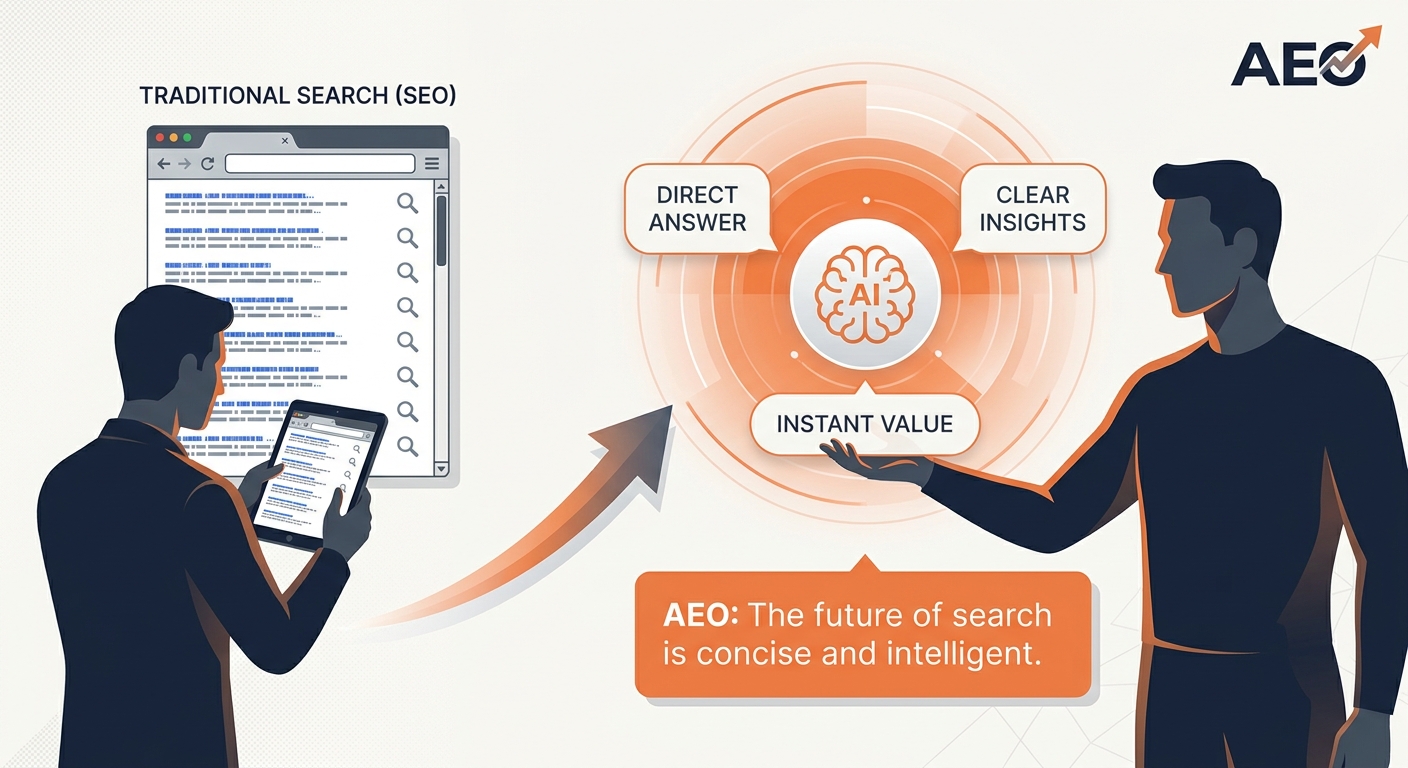 Answer Engine Optimization
Why Answer Engine Optimization Is Replacing Traditional SEO
Is your content AI-ready? Discover why Answer Engine Optimization (AEO) is replacing traditional SEO and how to prepare for the era of zero-click search.