
Algorithm Updates

Ankit Agarwal · Head of Marketing
Algorithm updates are changes search engines make to their ranking systems, from broad core updates to targeted spam updates, that shift which pages rank.
What is Algorithm Updates?
Algorithm updates are changes a search engine makes to the systems that decide which pages appear for a query and in what order. They range from small, unannounced tweaks to broad core updates that reassess content quality across the web. A confirmed update can raise or lower rankings for many sites at once, even when those sites changed nothing.
Google has used named updates for years, such as Panda (content quality), Penguin (manipulative links), Hummingbird (query understanding), BERT (language understanding) and the helpful content system, which Google folded into its core ranking systems in March 2024. Today, most announcements are generic: “core update”, “spam update” or “reviews update”.
How it works
- Google develops and tests changes using live experiments and evaluations from quality raters, who follow the Search Quality Rater Guidelines.
- Larger changes are announced on the Google Search Status Dashboard with a start date and, later, a completion date.
- Rollout takes days or weeks, during which rankings can fluctuate.
- Sites see effects as systems reassess pages. Recovery for affected sites usually depends on genuine improvements, which may only show at a later update.
| Update type | Focus | Typical response |
|---|---|---|
| Core update | Overall relevance and quality | Improve content usefulness and trust |
| Spam update | Violations of spam policies | Remove manipulative tactics |
| Targeted system update | Specific area, such as reviews | Apply that system’s guidance |
Examples
- After a broad core update, a SaaS blog loses visibility on thin “what is” posts while in-depth guides with original screenshots hold steady. The team consolidates thin posts into fewer comprehensive pages.
- A site that bought links sees a drop after a spam update. Disavowing alone does not restore rankings; the site has to earn legitimate links over time.
- For example, if clicks fall 30% during an update window, the first step is segmenting by page type and query to see whether the loss is concentrated or site-wide.
Best practices
- Annotate updates in your analytics and reporting so trend changes have context.
- Wait for the rollout to complete before drawing conclusions.
- Analyze by page group, not just sitewide totals.
- Focus on durable quality: first-hand expertise, accurate and current information, clear authorship.
Common mistakes
- Making rushed, sitewide changes in the middle of an update rollout.
- Blaming every fluctuation on an update without checking for technical issues such as indexing or tracking errors.
- Chasing third-party “update analysis” that Google has not confirmed.
Related terms
Sources
Frequently asked questions
How often does Google update its algorithm?
Google changes its search systems constantly, with many small updates each year. Larger broad core updates are typically announced a few times per year, along with occasional spam and other system updates, and are listed on the Google Search Status Dashboard.
What should I do if an algorithm update drops my traffic?
Wait for the rollout to finish, then compare before and after data in Search Console by page and query. Review the losing pages against Google's guidance on helpful, reliable, people-first content. Improvements can take time to be reflected, sometimes until a later core update.
Do algorithm updates affect AI search visibility?
Indirectly. Google AI Overviews and AI Mode draw on pages from Google's index and ranking systems, so ranking changes can affect which sources appear. Other AI engines, such as ChatGPT and Perplexity, use their own retrieval systems and are not tied to Google's update schedule.
Guides that cover Algorithm Updates
-
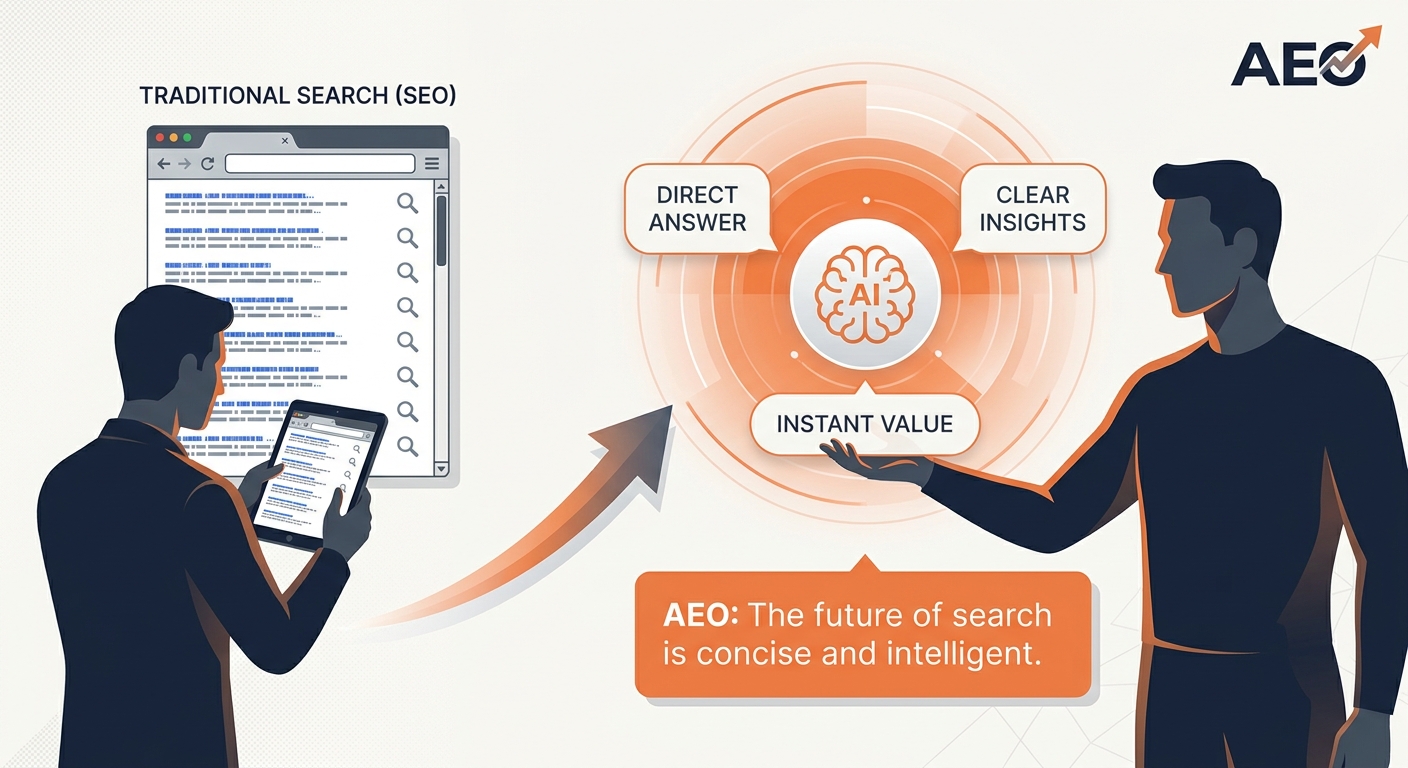 Answer Engine Optimization
Why Answer Engine Optimization Is Replacing Traditional SEO
Is your content AI-ready? Discover why Answer Engine Optimization (AEO) is replacing traditional SEO and how to prepare for the era of zero-click search.
-

The Complete Guide to Becoming a Link Building Specialist: Career Path, Salary, and Opportunities
Learn how to become a link building specialist with insights on key skills, career paths, tools, and salary expectations to excel in digital marketing.
-
 AI Search Optimization
Earning the Citation: How B2B Tech Brands Can Outrank Competitors in AI-Driven Search
Learn how B2B tech brands can earn authoritative citations and outrank competitors in AI-driven search through credibility, content, and partnerships.
-
6 Content Marketing Conferences to Attend in 2025
Explore 6 top content marketing conferences in 2025. Gain practical insights from experts and elevate your strategy. Find the perfect event for you!







