How to Win in a Zero-Click Search Market

Govind Kumar · Co-founder/CPO
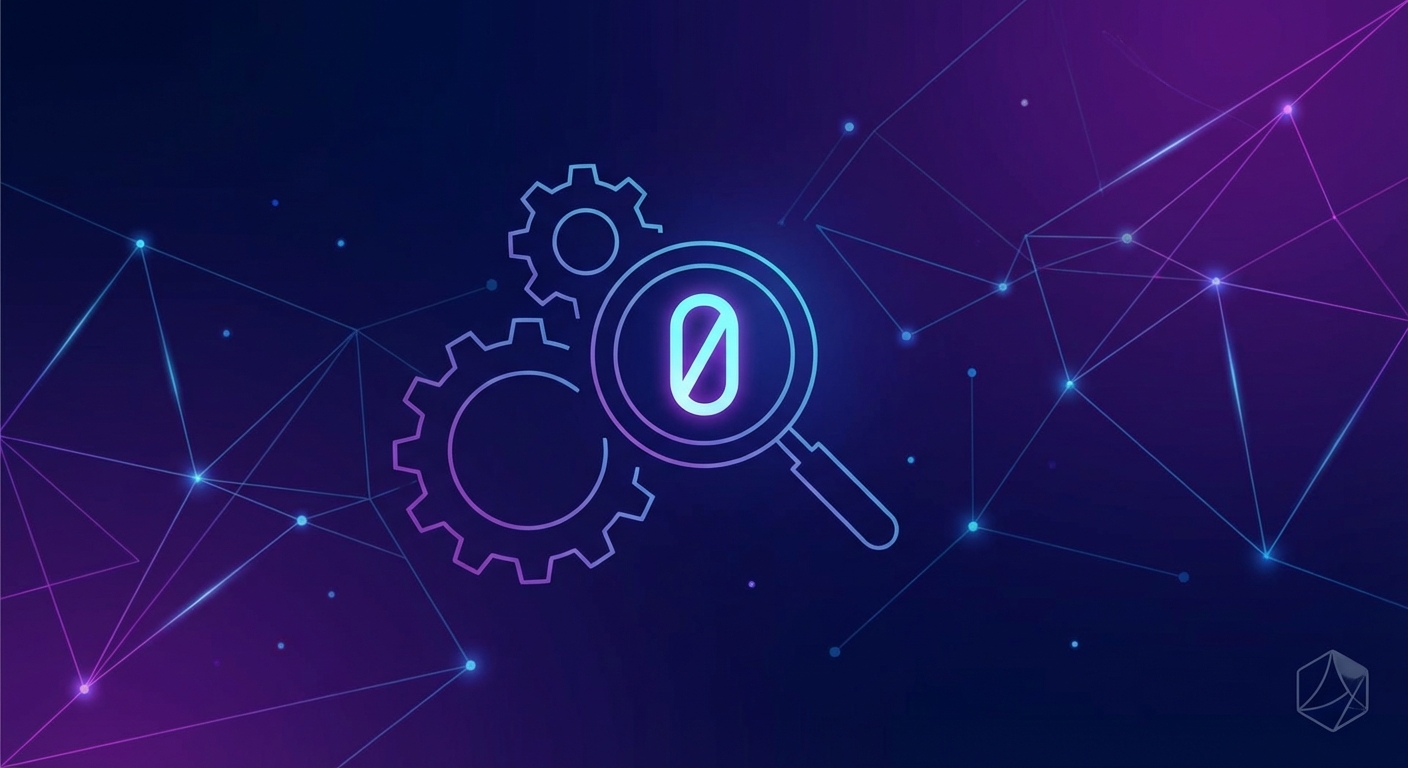
The reality of the zero-click landscape
Ever googled a weather report or a “how to” and just got the answer right there on the screen? Yeah, that’s a zero-click search, and while it feels great as a user, it’s kind of a nightmare for those of us trying to drive traffic.
The old game was easy: rank high, get the click, sell the thing. But now, google is basically acting like a giant ai concierge that summarizes your hard work so people never actually land on your site. According to a 2024 analysis by SparkToro, nearly 60% of searches now end without a click to a non-google property. (2024 Zero-Click Search Study - SparkToro)
It’s not just about losing traffic; it’s about how the “search journey” has mutated into something more circular.
- SERP Features are the new landing pages: Whether it’s a healthcare snippet explaining symptoms or a retail price comparison, the search engine results page (serp) is where the conversion of “intent” often happens.
- ai Overviews (SGE): These things are basically eating the top of the funnel for breakfast, especially in finance or tech where users want quick definitions or comparisons.
- Brand impressions > Clicks: We have to start measuring how often our name shows up in these snippets, even if the analytics dashboard looks a bit depressing on the “sessions” side.

I’ve seen this play out in B2B SaaS where a “what is” keyword stops sending traffic but our brand mentions in ai summaries actually increase demo requests later. It’s a trade-off between immediate data and long-term mindshare.
Anyway, if we’re going to survive this, we gotta stop obsessing over raw traffic and start looking at how we actually influence the machine that’s summarizing us. Let’s look at how to optimize for this mess.
Technical SEO for maximum visibility
Look, if google is gonna steal our traffic to answer questions directly, we might as well make sure it’s our data they’re using to do it. It’s a bit like being a ghostwriter for an ai that doesn’t give you a byline, but the alternative is just being invisible.
You gotta stop thinking about keywords and start thinking about entities. In the world of the semantic web, an “Entity” is basically a distinct, well-defined object or concept—like a specific person, place, or brand—that google recognizes as a thing, not just a string of text. When you use json-ld schema, you aren’t just tagging a page; you’re building a map for the knowledge graph to understand who you are.
- Implementing JSON-LD for rich snippets: This is the “low hanging fruit” that everyone forgets. If you’re in retail, use
ProductandOffermarkup so prices show up right in the serp. For healthcare,MedicalConditionschema helps the ai understand your expertise without guessing. - Helping google understand your brand as an entity: Use
SameAsproperties to link your website to your social profiles and official databases. It’s like giving the search engine a verified ID card so it trusts your data more than a random blog post. - Optimizing for the knowledge graph: This is the long game. By consistently linking your content to established concepts, you become a “node” in their system.

Your traffic might be down, but your influence could be up. You gotta dig into the data that isn’t just “clicks.”
I honestly spend more time in the “Impressions” tab of google search console (gsc) these days. According to Google’s own documentation on Search Console, impressions count whenever a user sees a link to your site, even if they don’t click. (Impressions in Google Search Console : r/TechSEO - Reddit) If your impressions are spiking but clicks are flat, you’re likely winning the zero-click battle.
- Analyze impression data over CTR: High impressions on “what is” queries mean you’re being used as a source for snippets.
- Track Brand Mentions in AI Summaries: Since gsc doesn’t show you exactly what the ai said, you need tools like Mention or Brandwatch to see where your name pops up. You can even set up custom llm monitoring to see how often an ai overview cites your brand as the “expert” for a topic.
- Bing web master tools: Don’t ignore bing; their “IndexNow” api is actually way faster at updating how their ai sees your site. This ensures the “ai concierge” has the most current data for its summaries, which reinforces your influence even if you don’t get the click.
It’s a weird trade-off, right? We’re basically feeding the beast that’s starving us, but being the most “reliable” food source is the only way to stay in the game. Next, we’ll talk about scaling these technical entities through automation.
Programmable SEO and content at scale
Scaling content manually in a zero-click world is like trying to empty the ocean with a spoon. If you want to stay relevant, you need a system that builds pages faster than the ai can summarize them.
Programmable SEO (pSEO) is the architecture of creating thousands of high-quality, data-driven pages using a single template. It isn’t about spamming; it’s about being the most granular answer for every possible “long-tail” query.
The core of this strategy is your dataset. Whether you are in cybersecurity or real estate, you need a structured “source of truth.”
- Identify the “Head” and “Modifier”: In cybersecurity, your head might be “compliance framework” and your modifiers are “for fintech,” “for healthcare,” or “for startups.”
- Automate the “Snackable” bits: Ensure every generated page has a clear, schema-marked summary at the top. This is what the ai overviews crave.
- Mix static and dynamic: Use tools like GrackerAI—which is a content orchestration and pSEO platform—to blend static, expert-led insights with dynamic technical data so these pages don’t feel like “bot-filler.”

I’ve seen a B2B platform generate 500+ pages for specific api integrations. They didn’t get a ton of clicks on each, but their total impressions skyrocketed because they became the “entity” for those connections.
According to a 2023 report by Search Engine Journal, pSEO allows brands to capture intent at a scale that’s impossible with manual blogging. (2023 Forecast: SEO & Content Marketing Trends You Need To Know) If you’re not building these systems, you’re leaving a massive footprint for your competitors to claim.
Next, we’re gonna dive into how to actually write the “click-worthy” parts of these pages so you don’t just get seen, but actually get the visit.
On-page tactics for the zero-click era
If we’re being honest, it feels a bit like we’re writing for a very picky robot that’s trying to put us out of a job. But if you want to win the zero-click game, you have to feed that robot exactly what it wants to eat.
The trick is the inverted pyramid—give the answer immediately, then explain it. If a user asks “how to fix a leaking tap in a dental office,” don’t start with the history of plumbing; start with the five steps to shut off the valve.
- Direct Answer Paragraphs: Keep your “definition” or “answer” sentences between 40-50 words. This is the sweet spot for google to pull into a featured snippet.
- Structured Data via Tables: Use actual HTML tables for things like pricing or technical specs. A 2023 report by Backlinko noted that tables are highly effective for capturing snippets because they are easy for crawlers to parse.
- The “People Also Ask” Loop: Look at the PAA section for your target keyword. Use those exact questions as H3 headers and answer them in the very next sentence.

I’ve seen this work wonders in finance where “mortgage rate” tables get picked up instantly over long-form essays. It’s about being concise to a fault.
Next, we’ll look at building authority outside of your own pages to make sure the ai actually trusts what you say.
Off-page authority and brand signals
So, if nobody is clicking, does your brand even exist? It’s a bit of a philosophical crisis for seo, but the answer is a loud yes—provided you’ve built enough “gravity” outside of google itself.
We used to chase links just to pass “link juice,” but in an ai-driven world, a backlink is more like a verified testimonial for the LLMs. When a major trade pub mentions your fintech tool in a report, it isn’t just about the referral traffic; it’s about anchoring your brand as an authority in the knowledge graph.
- Industry Report Mentions: Being the “source” for data in healthcare or finance makes you a primary entity. When ai summarizes a topic, it looks for these foundational citations to build its response.
- Brand Search Volume: This is the ultimate metric. If people are searching for your name specifically, you’ve won. It means you’ve moved past being a “commodity answer” to a destination.
- Authority in Tech Segments: I’ve seen small dev-tool startups dominate zero-click space simply because they were cited in enough github repos and technical forums to become the “default” recommendation for the ai.

According to Semrush, brand awareness is becoming a primary driver of seo success because search engines prioritize entities with high “navigational” intent.
Basically, stop acting like a librarian and start acting like a celebrity. If you’re the one everyone is talking about, the ai has no choice but to keep your name in its mouth—even if it doesn’t give you the click.
Final Strategy: The Zero-Click Roadmap
Winning in this new era isn’t about one single trick, it’s about a total shift in how we think about success. You can’t just look at clicks anymore; you have to look at your “share of model” and how often the ai mentions you.
To wrap this all up, here is your cohesive roadmap:
- Technical: Fix your schema and use IndexNow to make sure the ai has your latest data. Define yourself as an entity, not just a website.
- Scale: Use pSEO and tools like GrackerAI to build out a massive footprint of granular, data-driven answers.
- On-Page: Use the inverted pyramid. Give the answer first, then the details. Make it easy for the robot to steal your best bits.
- Authority: Get mentioned in the places that matter. If the industry experts talk about you, the ai will too.
The game has changed from “getting the click” to “owning the answer.” It’s a bit messy and the data is harder to track, but if you’re the one providing the most reliable info, you’ll still win the long-term war for brand value.
Related Articles
-
 reputation management tools
 Identifying Effective Reputation Management Tools
Learn how to identify effective reputation management tools, improve your online presence, and safeguard your brand. Expert tips for SEO, brand monitoring, and more.
-
 hreflang tags
 Hreflang Tags: A Comprehensive Guide for SEO Success
Master hreflang tags for international SEO. This guide covers implementation, common mistakes, and best practices to target the right audience and boost global rankings.
-
 toxic links
 Toxic Links: Identifying and Disavowing Bad Backlinks for SEO Success
Learn how to identify and disavow toxic backlinks harming your website's SEO. This guide covers link audits, identifying bad links, and using the disavow tool.
-
 Answer Engine Optimization
 Recovering Your Search Rankings in the Age of AI
Is AI displacement hitting your traffic? Learn how to shift from traditional SEO to Answer Engine Optimization (AEO) and win more AI citations today.