How citable content is made
Aimed before a word is written, checked before it ships
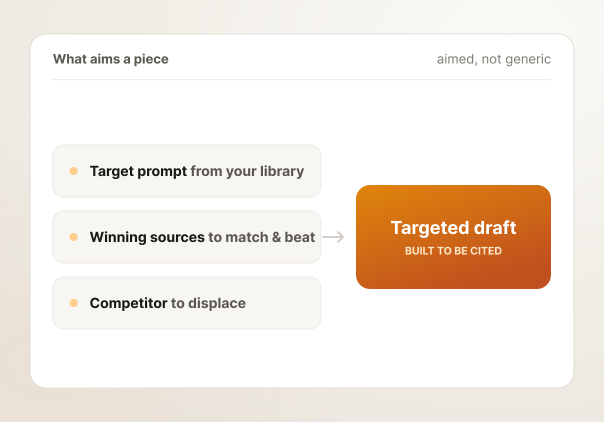
Every piece follows the same path, whether it is a new comparison page or a fix to an old guide. It is pointed at a real target, grounded in real facts, drafted in a structure models can lift, and checked for accuracy before it goes out.
1
Target
Pull the exact prompt and intelligence to aim at.
2
Ground
Gather real facts and the sources that win today.
3
Draft
Write it in a structure AI can parse and quote.
4
Check
Verify claims and add schema that matches.
5
Ship
Publish, or hand it to your team to finish.
A target in. A piece engineered to be cited out.
The hard part we solved
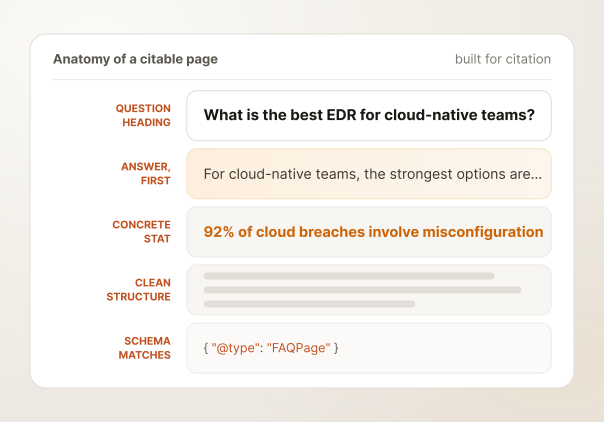
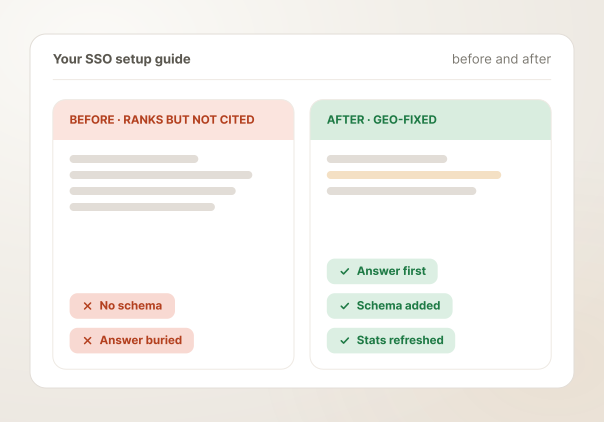
A blog post tuned for Google rankings and a page an AI engine wants to quote are not the same artifact. Models reach for content they can lift cleanly: a clear question, a direct answer right beneath it, concrete numbers, sound structure, and schema that matches what the page actually says. The engine builds every piece around those patterns, so it reads naturally to a person and extracts cleanly for a model.
For technical fields, accuracy is not optional. The engine drafts with industry-aware models and checks claims against verified facts, so a security or fintech piece holds up to an expert reader. That is what cuts the subject-matter review that usually bottlenecks technical content.