How it reads tone and truth
One pass over every answer, judging two things at once
Every answer we capture is read for two questions in the same pass: how does it feel about you, and is what it says actually correct? Both run through the steps below, then get measured against your history and your verified facts.
1
Read
Take the full answer as written.
2
Isolate
Keep only what is said about you, not rivals.
3
Judge
Score the tone, and check each claim for accuracy.
4
Compare
Against your history and your verified profile.
5
Flag
Raise a souring trend or a wrong claim.
The same read answers two questions: how you are felt about, and whether it is true.
The hard part we solved
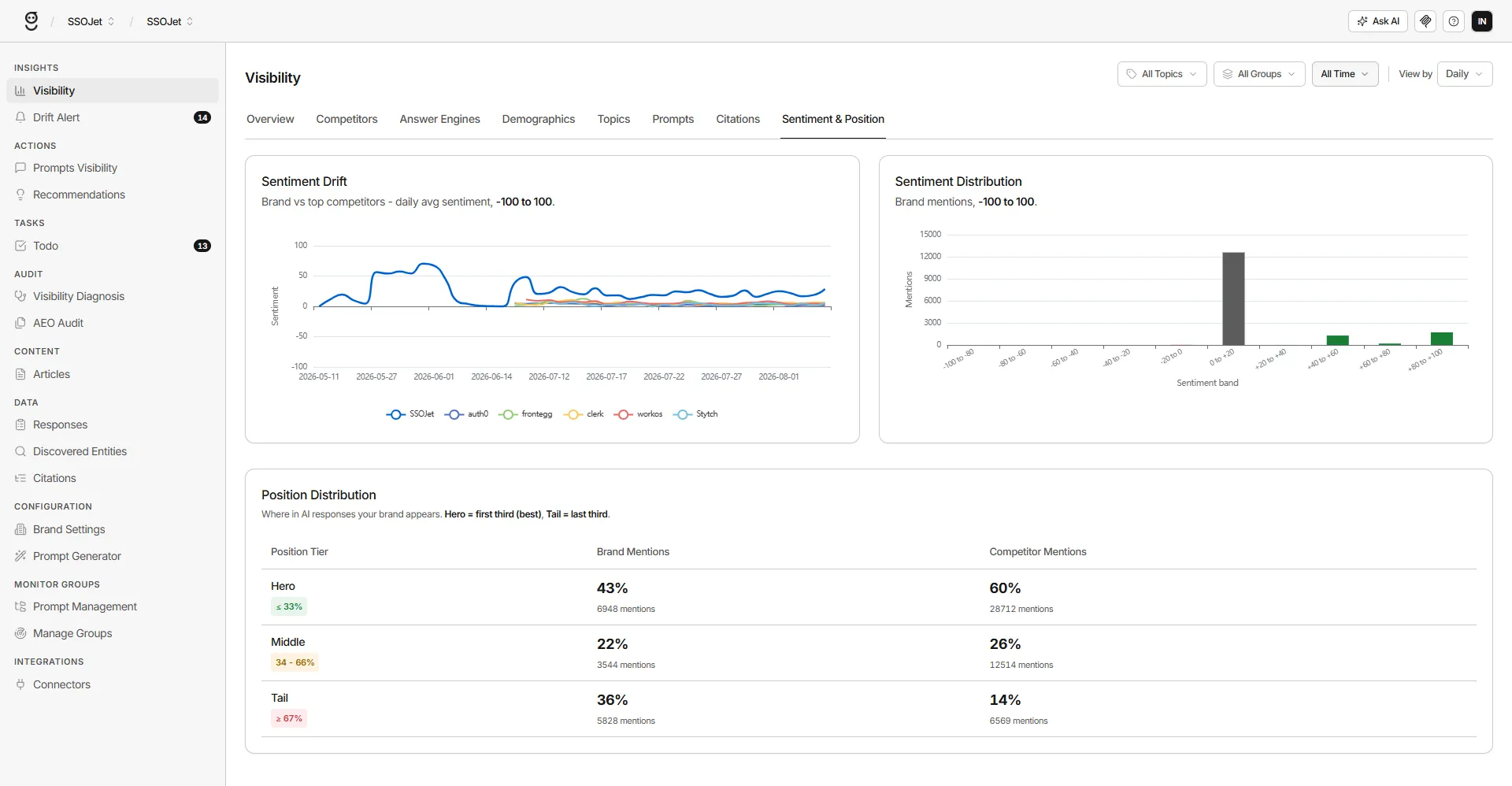
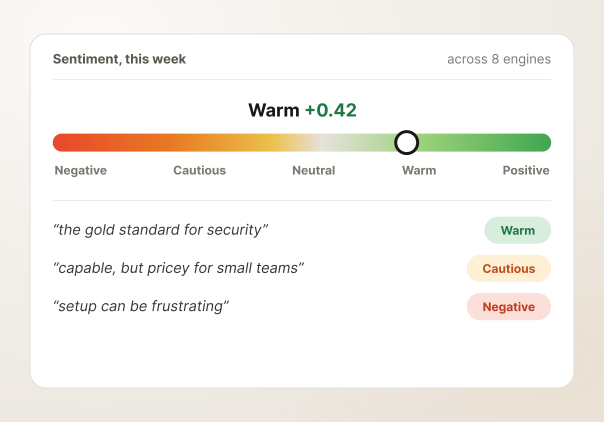
Brand sentiment in AI answers is rarely a thumbs up or a thumbs down. It hides in qualified, comparative language: "popular but pricey," "powerful, though the setup is steep," "a safe choice if you can afford it." Faint praise is not praise. So we score tone for your brand specifically, separating how an answer feels about you from how it feels about the competitor named in the same sentence, and we weigh the hedges and the comparisons instead of scanning for happy words.
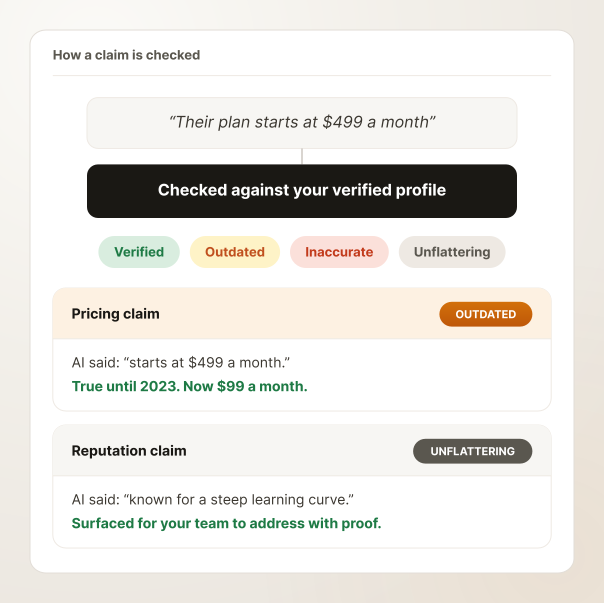
Accuracy needs the opposite of mood. It needs ground truth. So we keep a verified profile of your brand — your current pricing, features, certifications, leadership and key dates — and check every claim an engine makes against it. The subtle cases are not the obvious errors. They are the claims that used to be true, and now quietly mislead.